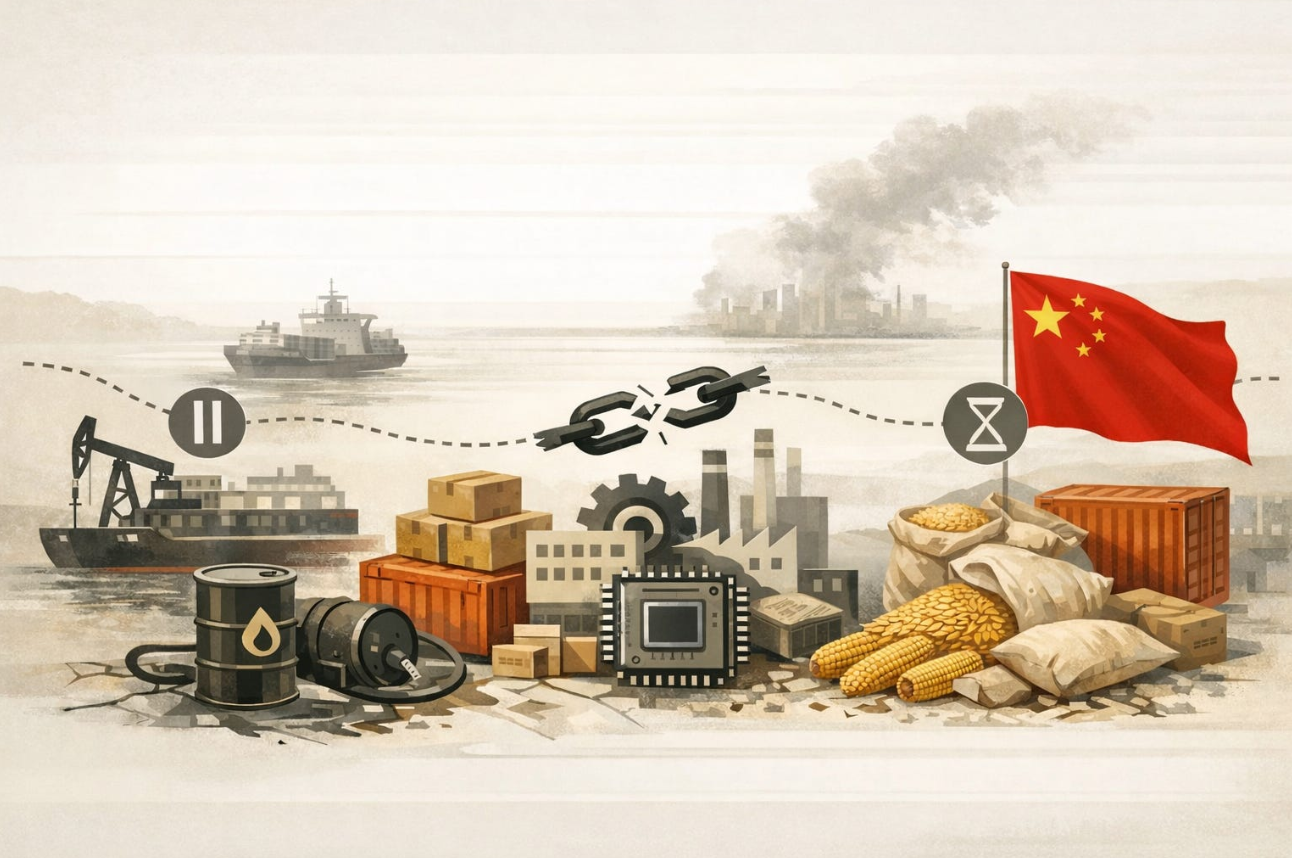

China’s economy, which had shown resilience in the face of U.S. tariffs, is now facing renewed pressure as the ongoing Iran war disrupts global energy supplies and trade flows. While Beijing had managed to maintain stable growth through strong exports and industrial output, the latest geopolitical tensions are exposing vulnerabilities within its manufacturing sector.
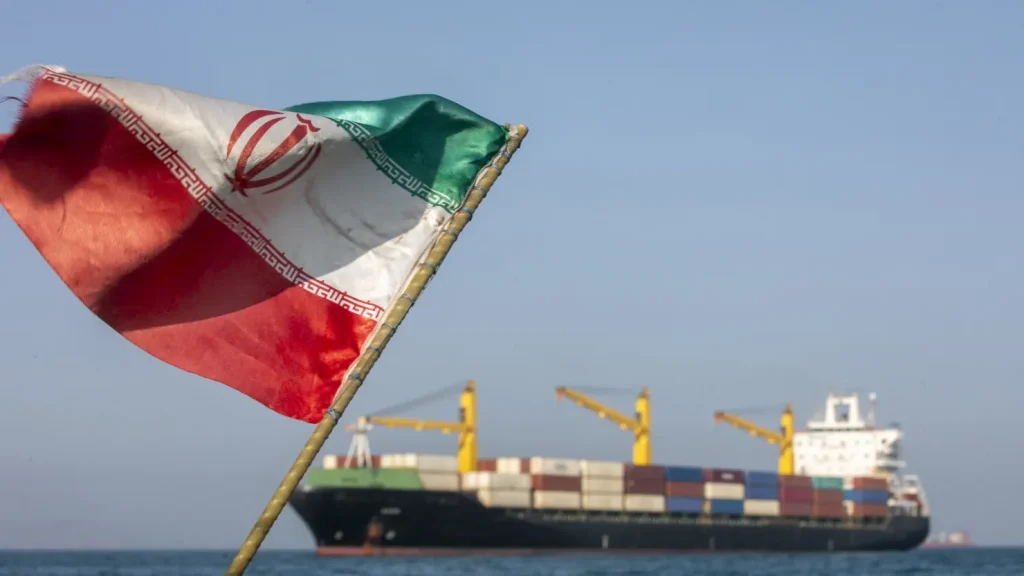
In major industrial hubs like Foshan and Guangzhou, factory workers and traders are grappling with rising costs and declining orders. The war has significantly impacted the Strait of Hormuz, a critical global shipping route, leading to higher oil prices. Since petrochemicals derived from oil are essential for producing textiles and plastics, manufacturing costs have surged by nearly 20%, according to local traders.
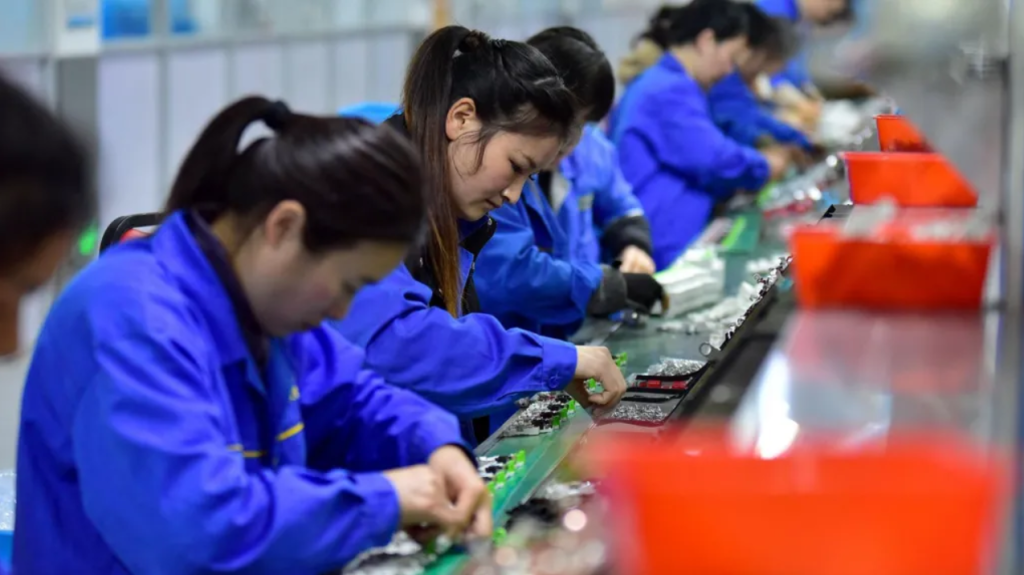
This increase has forced businesses into a difficult position—either pass the higher costs onto customers or absorb losses within already thin profit margins. As a result, warehouses are filling up with unsold goods, and many workers are struggling to secure stable employment.
Despite these challenges, China continues to showcase its technological advancements. At events like the Canton Fair, companies are promoting innovations such as AI-powered devices and electric vehicles (EVs). The country’s EV exports have surged, reflecting a strategic shift toward industries less dependent on fossil fuels.

However, even this sector is not immune. The Middle East, once a major destination for Chinese EV exports, has seen a sharp decline in demand due to the conflict. Many shipments are now stalled at ports, forcing exporters to explore new markets in Africa, South America, and Asia.

Beijing has been actively calling for a ceasefire, recognizing that prolonged instability could further strain its already slowing economy. While China’s energy reserves and renewable investments offer some protection, the ongoing disruption in global supply chains highlights the broader economic risks posed by the conflict.

Analysts suggest that while China remains a dominant force in global manufacturing, its dependence on stable international trade and energy supplies means it cannot remain insulated from geopolitical shocks. The situation underscores the delicate balance Beijing must maintain as it navigates both economic challenges and its growing role in global diplomacy.