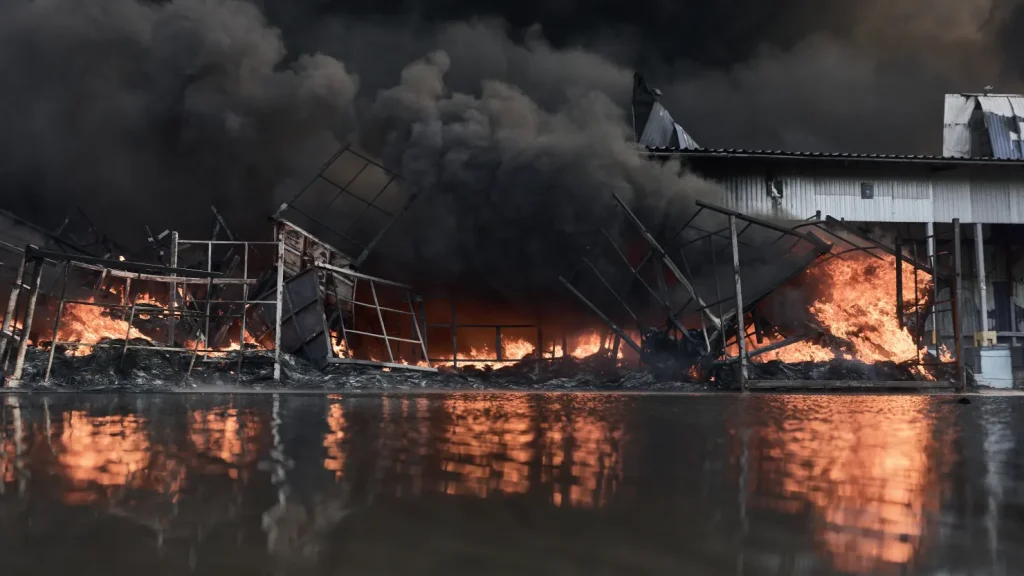
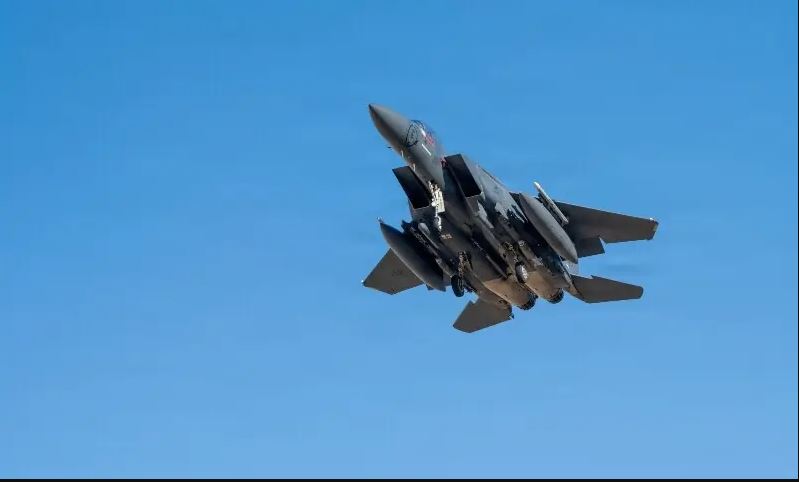

WASHINGTON: Donald Trump has proposed a massive $1.5 trillion defence budget for 2027, citing rising costs from the ongoing conflict with Iran and increasing global security challenges.
The proposal includes a more than 40% increase in Pentagon spending, marking the largest single-year rise since World War II.
💣 Rising Cost of Iran War


According to US media reports, the war with Iran is costing:
- Up to $2 billion per day
- Now entering its fifth week
The high cost reflects:
- Ongoing military operations
- Rebuilding depleted weapons stockpiles
- Expanding global defence commitments
🏛️ Political Battle in Congress
The proposal is expected to trigger a major debate in the United States Congress, which has the authority to approve, reject, or modify the budget.
Trump has suggested:
- $1.1 trillion through the standard budget process
- Additional $350 billion via a special mechanism requiring only party-line support
However, lawmakers from both parties have expressed concerns over:
- Lack of clarity on the Iran conflict
- Long-term financial impact
- Rapid increase in military spending
⚖️ Cuts to Domestic Spending
To balance the increase, the administration proposed:
- $73 billion in cuts (around 10%) to non-defence programs
These include reductions in:
- Environmental initiatives
- Housing assistance
- Education funding
The White House argues these cuts will reduce “wasteful spending” and shift responsibilities to state governments.
🗣️ Trump’s Position
Trump defended the move, stating that:
- Military investment must be prioritised during wartime
- Social programs could be handled at the state level
His remarks have sparked criticism for potentially reducing support for healthcare and welfare programs.
📊 Economic Concerns
The United States is already facing significant financial challenges:
- Annual deficit nearing $2 trillion
- Total national debt exceeding $39 trillion
Experts warn that the proposed plan could:
- Add trillions more to the debt
- Increase long-term fiscal pressure
⚠️ Opposition Reaction
Democratic lawmakers strongly criticised the proposal, calling it:
- A focus on “warfare over healthcare”
- A “reckless war strategy”
They argued that funds should be directed toward public welfare instead of expanding military operations.
🧭 Conclusion
The proposed defence budget highlights the growing cost of global conflicts and the difficult choices facing US policymakers.
As Congress begins deliberations, the plan is expected to fuel intense debate over national security priorities, economic stability, and public spending in the years ahead.