
U.S.-Iran Escalation: Washington Signals Growing Frustration With Slow-Moving Sanctions
The latest escalation between the United States and Iran has ended a month-long lull in direct fighting, raising fresh concerns that the conflict could once again intensify across the Middle East.
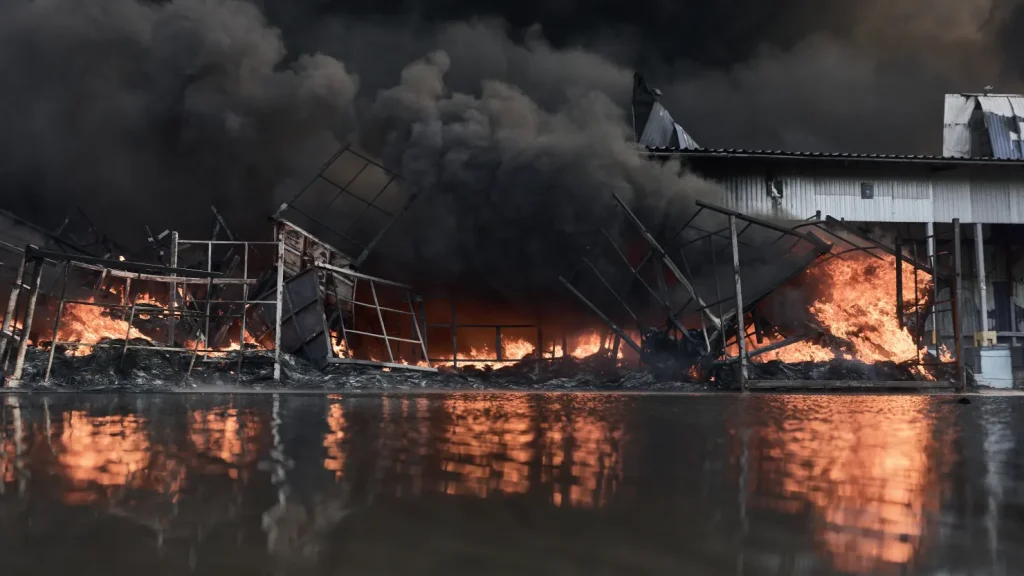
U.S. forces struck two Iranian rocket launchers on Larak Island on Sunday after American officials said Iranian forces were preparing to launch mine-carrying rockets into the Strait of Hormuz. The U.S. military described the action as a limited and precise strike aimed at preventing what it considered an imminent threat to commercial shipping and civilian vessels.
The attack marked the first publicly acknowledged U.S. strike against Iranian territory since late July.
Iran Responds With Missile Strikes
Iran responded within hours by launching eight missiles toward two military bases in Jordan — King Hussein and Al Azraq air bases. Jordanian authorities said its air-defense systems intercepted all eight missiles and reported no casualties.
The exchange represents the most significant direct military confrontation between Washington and Tehran in weeks.
The situation escalated further after U.S. President Donald Trump threatened to destroy Kharg Island, Iran’s main oil-export hub. Any attack on the island could have major consequences for Iran’s oil exports as well as regional energy markets.
Analysts, however, say such a strike may remain a threat rather than become an actual military operation because of the potential environmental, economic and geopolitical consequences.
Why Washington Is Increasing Pressure
Analysts say the renewed U.S. military action could reflect frustration with the slower-than-expected impact of Washington’s sanctions campaign against Iran.
U.S. Treasury Secretary Scott Bessent has indicated that Washington plans to introduce additional sanctions against Iran on a regular basis, particularly targeting banks and financial institutions. The administration is seeking to increase pressure on Tehran by restricting Iranian-linked institutions’ access to the international financial system and the U.S. dollar.
The latest military strike therefore appears to be taking place alongside, rather than replacing, the broader economic pressure campaign.
Experts suggest Washington may be trying to force Iran to change its behavior after weeks of military and diplomatic stalemate.
Strait of Hormuz Remains at the Center
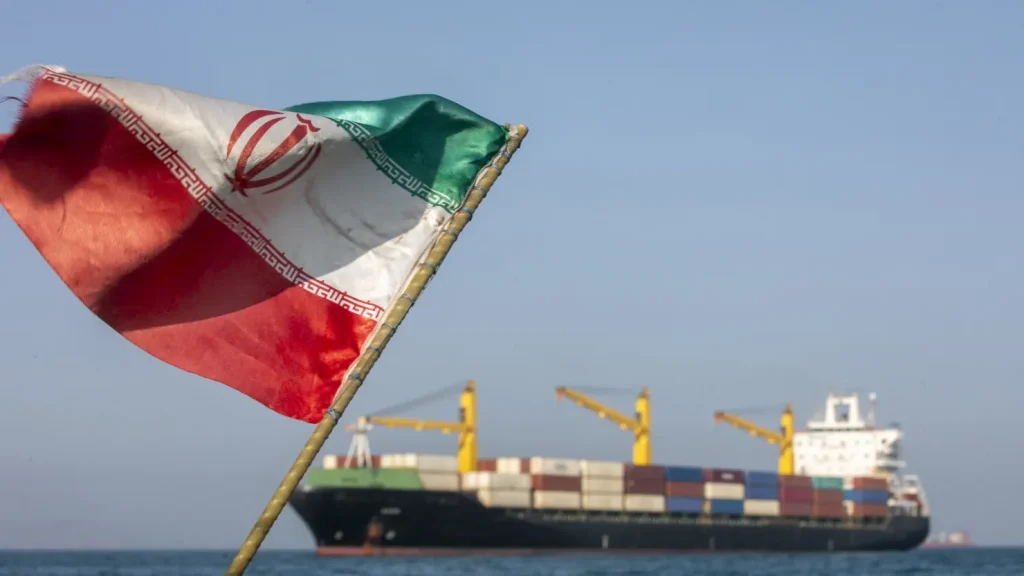
The Strait of Hormuz remains one of the most important flashpoints in the conflict.
The waterway is a critical route for global energy supplies, and any disruption could quickly affect oil prices, shipping costs and energy markets around the world.
The U.S. has been working to maintain commercial traffic through the strait, including the use of naval escorts. According to estimates cited by energy analysts, millions of barrels of oil have recently been moving through an Omani corridor under U.S. Navy protection.
However, the latest strike on Larak Island has created fresh uncertainty for shipping companies and energy traders.
Analysts expect oil flows through the waterway could decline following the renewed confrontation, potentially pushing global oil prices higher.
Iran Could Rely on Asymmetric Retaliation
Rather than engaging U.S. forces directly, Iran could use indirect methods to increase pressure on Washington and its regional allies.
Analysts have warned that Iran and groups aligned with Tehran could target commercial shipping, energy infrastructure or important maritime routes.
The Bab el-Mandeb Strait is another potential pressure point. Houthi forces operating from Yemen have already demonstrated their ability to disrupt shipping in the Red Sea.
The simultaneous pressure on the Strait of Hormuz and Bab el-Mandeb could create a serious challenge for global energy transportation because both waterways are strategically important to international trade.
Global Oil and Shipping Markets Face New Risks
The renewed fighting has immediately raised concerns over the future of oil supplies and maritime trade.
If shipping through the Strait of Hormuz becomes more difficult or expensive, energy companies could face higher transportation and insurance costs. A prolonged disruption could also push crude oil prices higher and increase inflationary pressure in countries that depend heavily on imported energy.
The latest developments therefore extend beyond the U.S. and Iran, potentially affecting global markets, Asian energy consumers and international shipping companies.
Sanctions and Military Pressure Continue Together
For Washington, the current strategy appears to combine economic pressure with limited military action.
The United States is continuing its sanctions campaign while also demonstrating its willingness to strike Iranian military assets when it believes they threaten American forces or international shipping.
Iran, meanwhile, continues to resist U.S. pressure and has demonstrated that it retains several options for retaliation.
With direct fighting resuming after a month-long pause, the major question now is whether the latest strikes remain limited or become the beginning of another broader military escalation.
The Strait of Hormuz, Iranian oil exports, regional military bases and global shipping routes are likely to remain key pressure points as Washington and Tehran continue their confrontation.