

Indian Court Sentences Nine Police Officers to Death in High-Profile Custodial Death Case
A court in India has sentenced nine police officers to death for the custodial killing of a father and son during the Covid-19 lockdown, in a case that sparked nationwide outrage and renewed scrutiny of policing practices.
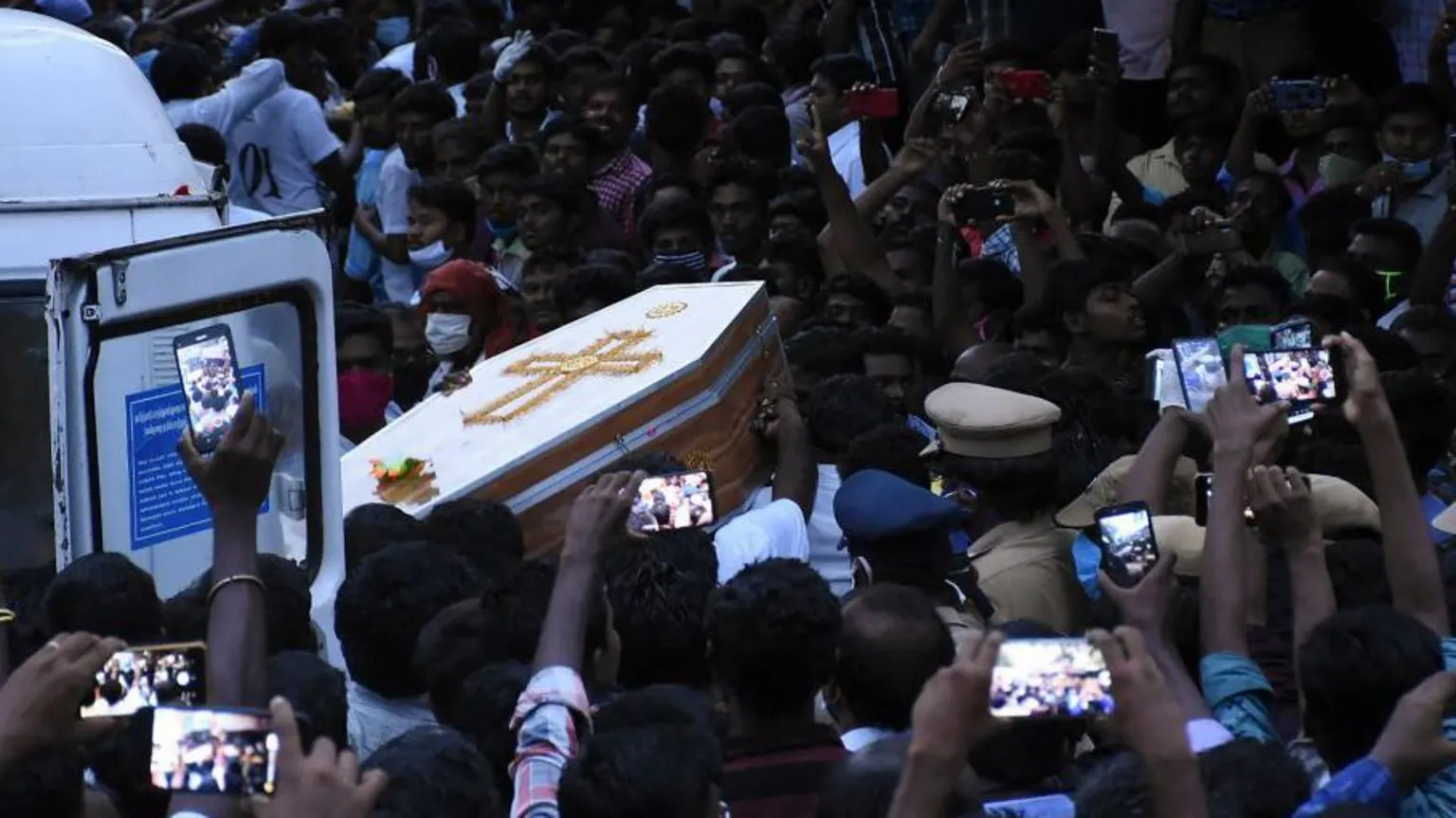
The victims, P Jeyaraj, 58, and his son Benicks, 38, died in custody in the southern state of Tamil Nadu in 2020. They had been detained for allegedly keeping their mobile phone shop open in violation of lockdown restrictions.
During sentencing, the judge described the assault as a “clear abuse of authority,” stating that the officers acted with intent to kill. The court heard that the victims were stripped and brutally beaten in front of each other.
The officers had been found guilty of murder last month and retain the right to appeal the decision. A total of ten officers were initially charged in connection with the case, though one died from Covid-19 during the investigation.
Public Outrage and Calls for Reform
The case triggered widespread protests across Tamil Nadu, drawing attention from political leaders and public figures. Rahul Gandhi and Shikhar Dhawan were among those who publicly called for justice.
Human rights groups have long raised concerns about custodial violence in India, noting that hundreds of deaths are reported annually in police custody. Allegations of torture and abuse to extract confessions remain a persistent issue.
Earlier this year, experts from the United Nations urged India to implement significant reforms to modernize policing and align practices with international human rights standards.
A Landmark Judgment
The verdict is being seen as a significant moment in the fight against police brutality in India, signaling judicial willingness to hold law enforcement accountable in cases of serious abuse.
However, activists say systemic reforms will be necessary to prevent such incidents in the future and ensure greater protection for citizens.