
Trump’s Iran Deadline Nears as Prospects for Diplomatic Breakthrough Fade
The countdown to a potential escalation in the ongoing conflict between the United States and Iran is intensifying, with Donald Trump issuing one of his most explicit ultimatums yet.
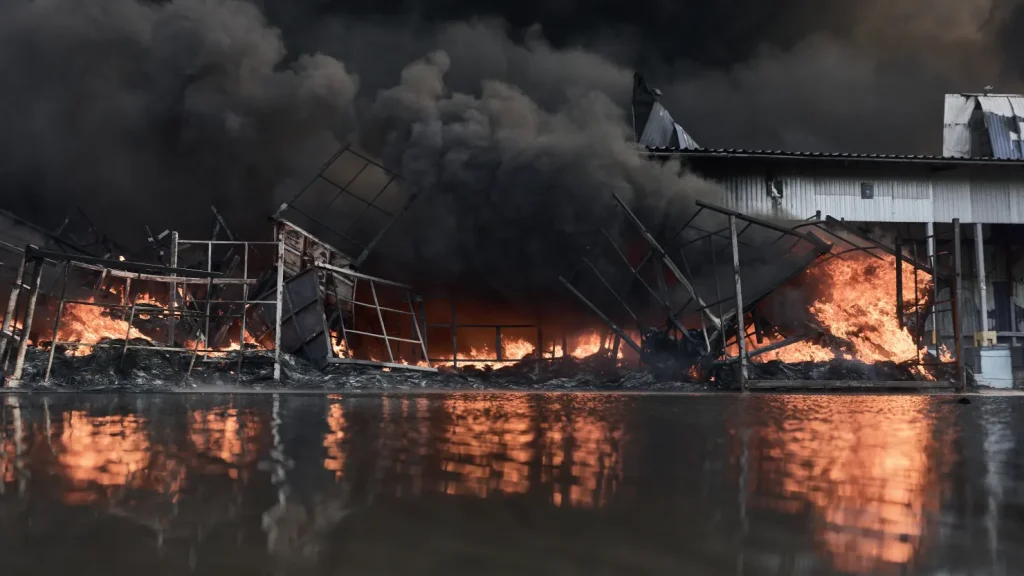
The US president warned that a new round of strikes against Iran could begin at 20:00 Washington time (00:00 GMT), threatening widespread destruction of key infrastructure, including bridges and power plants.
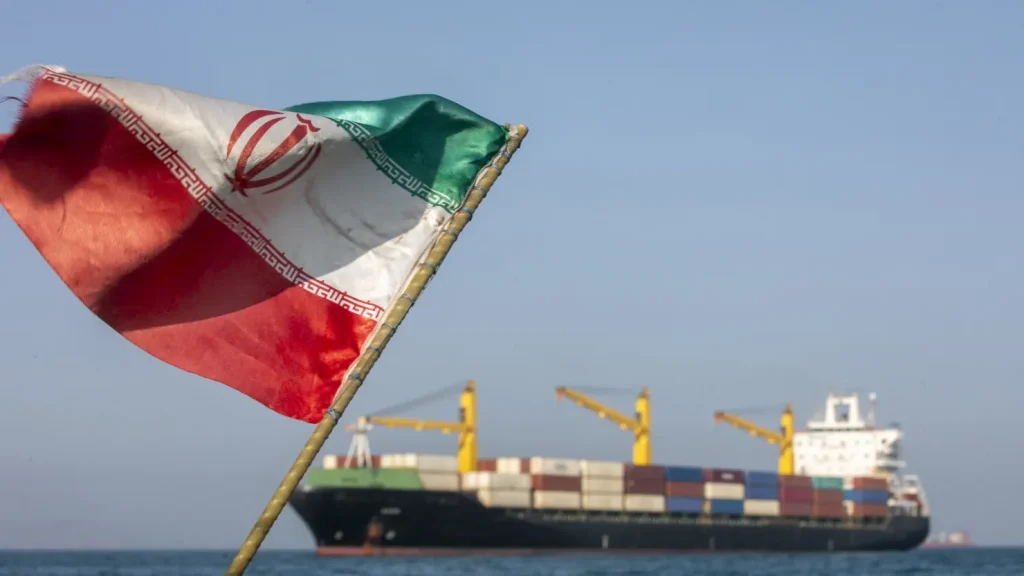
Trump stated that “very little is off-limits,” signaling a potentially devastating military response if Tehran fails to agree to terms set by Washington. Central to his demands is ensuring unrestricted oil traffic through the Strait of Hormuz, a critical global energy corridor.
Stalemate in Negotiations


Despite mounting pressure, Iran has shown little willingness to comply with the US ultimatum. Officials in Tehran have rejected a temporary ceasefire and presented their own demands, described by US officials as “maximalist.”
This impasse places Trump in a challenging position. While he has repeatedly extended deadlines in recent weeks, backing down again after issuing such detailed threats could undermine US credibility on the global stage.
Military Power vs Strategic Limits
Although Trump emphasized US military superiority, recent developments highlight the complexities of the conflict. He pointed to successful operations, including high-risk rescue missions, as evidence of American capability.
However, he also acknowledged the limitations of military force, particularly in securing the Strait of Hormuz. Even limited disruptions—through drones, missiles, or naval mines—could significantly impact global oil supply and shipping.
“We can bomb the hell out of them,” Trump said, while cautioning that even a single attack could disrupt vital maritime routes.
Humanitarian and Global Risks
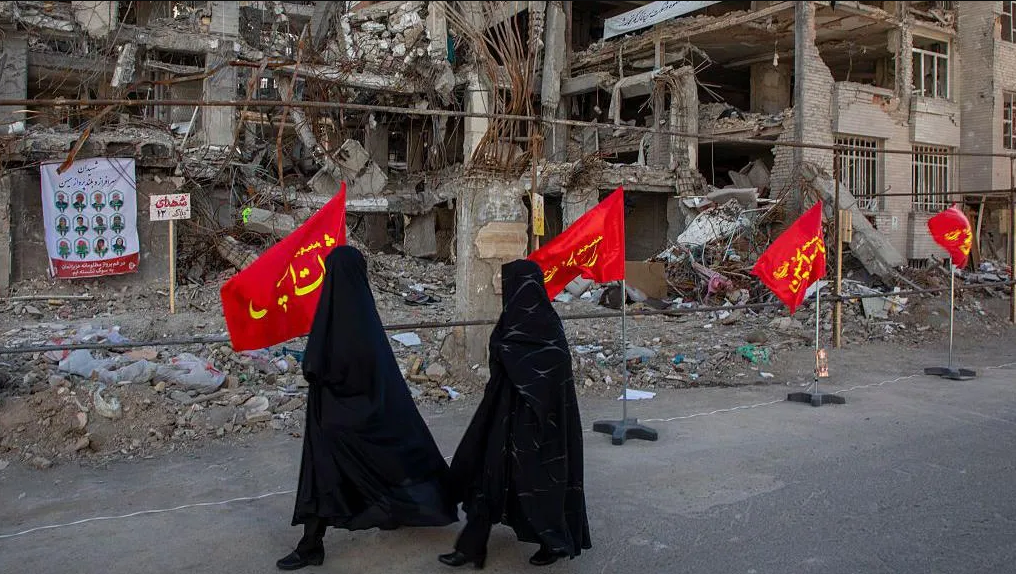
Trump admitted that large-scale strikes could have long-term consequences, including devastation of Iran’s infrastructure and a prolonged recovery period. He warned that rebuilding could take decades—or even a century if the conflict escalates further.
Such an outcome could trigger a humanitarian crisis and broader regional instability, particularly if Iran carries out its promised retaliation.
Uncertain Path Forward
Despite the escalating rhetoric, Trump suggested that negotiations may still be ongoing behind the scenes.
“They have till tomorrow,” he said, expressing cautious optimism that Iran might engage in good-faith talks.
As the deadline approaches, the world watches closely, with the stakes encompassing not only regional security but also global energy markets and geopolitical stability. Whether diplomacy prevails or conflict intensifies remains uncertain in these critical final hours.