
Islamabad is set to host critical negotiations between United States and Iran, marking a significant diplomatic effort to de-escalate a conflict that has destabilized the region and disrupted global energy markets.
The talks follow a Pakistan-mediated two-week ceasefire agreed upon earlier this week, though tensions remain high due to ongoing military activity and differing interpretations of the truce.
When and Where
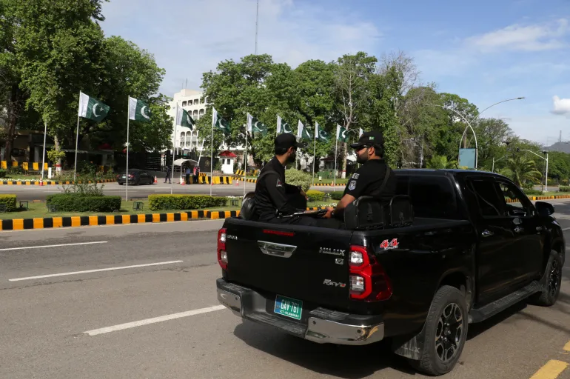
Negotiations are scheduled to begin this weekend at the Serena Hotel, located within the heavily secured Red Zone of the capital. Authorities have heightened security measures, sealed key areas, and declared public holidays to facilitate the high-level meetings.
Who Is Attending
The U.S. delegation will be led by Vice President JD Vance, accompanied by senior officials including Steve Witkoff and Jared Kushner.
On the Iranian side, Parliament Speaker Mohammad Bagher Ghalibaf and Foreign Minister Abbas Araghchi are expected to lead the delegation. Participation from the Islamic Revolutionary Guard Corps remains uncertain.
Pakistan, under Prime Minister Shehbaz Sharif, is playing a central mediating role.
What’s on the Agenda
Key issues expected to dominate discussions include:
- Reopening the Strait of Hormuz
- Terms of a lasting ceasefire
- Withdrawal of U.S. forces from the region
- Sanctions relief for Iran
- Compensation for war damages
- Framework for long-term regional stability
The talks are based on a 10-point proposal submitted by Tehran, which Washington has described as a “workable basis” for negotiation.
Major Challenges
Despite the diplomatic breakthrough, deep mistrust continues to cast a shadow over the talks. Iranian officials have expressed skepticism about U.S. intentions, citing previous ceasefire violations and ongoing regional strikes, including Israeli operations in Lebanon.
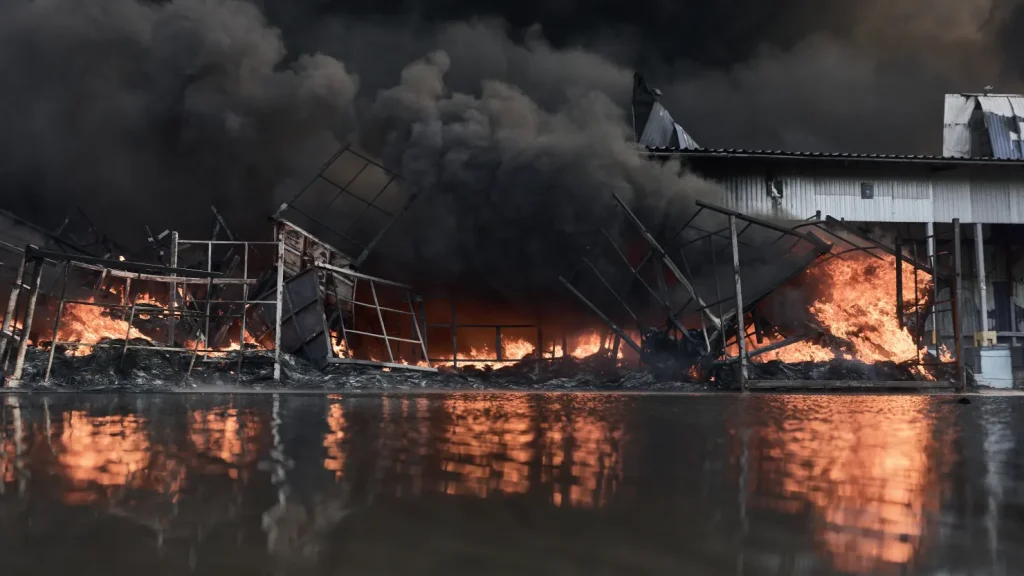
The broader conflict, which has involved regional actors and disrupted one of the world’s most vital energy corridors, has pushed global oil prices to record highs and heightened geopolitical risks.
Global Stakes
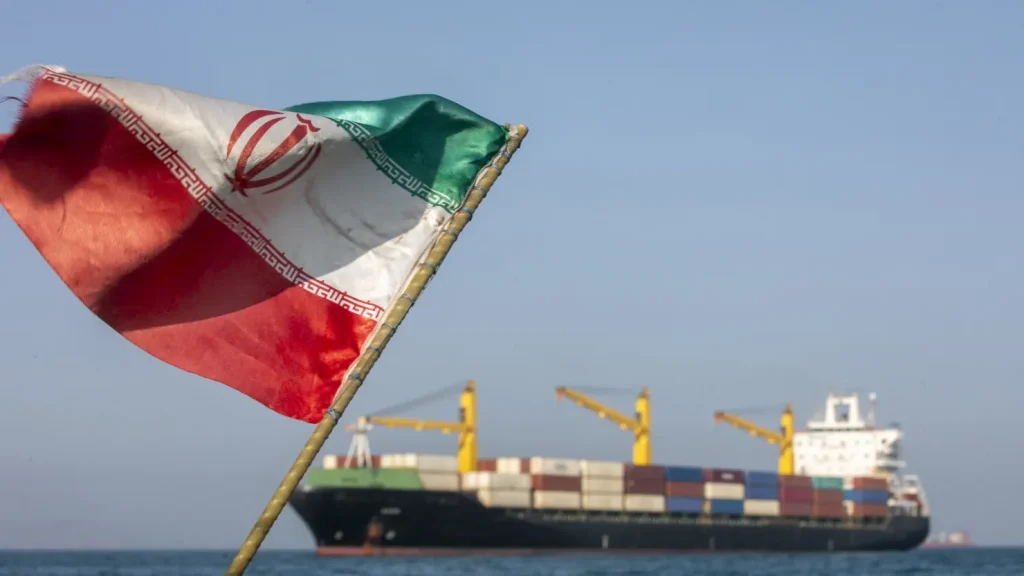
With the Strait of Hormuz partially restricted and tensions spreading across the Middle East, the Islamabad talks are being closely watched worldwide.
Diplomatic success could mark a turning point toward stability, while failure risks further escalation in an already volatile region.