
India’s ambitious metro rail expansion was envisioned as a game-changer for urban transport — easing congestion, reducing pollution, and offering millions a fast, modern alternative to overcrowded roads and trains. However, despite billions of dollars in investment, many metro systems across the country are struggling to attract the expected number of commuters.
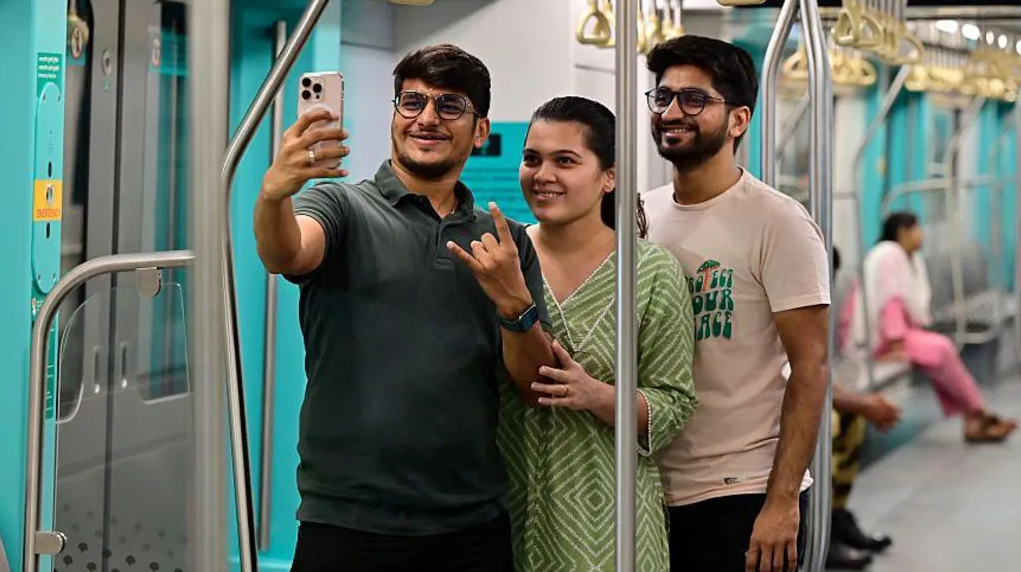
In Mumbai, the newly launched Aqua Line — a fully underground metro corridor connecting key business districts — has become a striking example of this gap between expectations and reality. Initially projected to carry around 1.5 million passengers daily, current ridership is only a fraction of that figure. Stations often appear quiet, even during peak hours, raising questions about long-term sustainability.
One of the primary reasons cited by commuters is affordability. Metro fares are significantly higher than traditional suburban rail services, which remain the backbone of daily transport for millions. For many lower- and middle-income workers, the cost of regular metro travel is simply too high to justify switching.
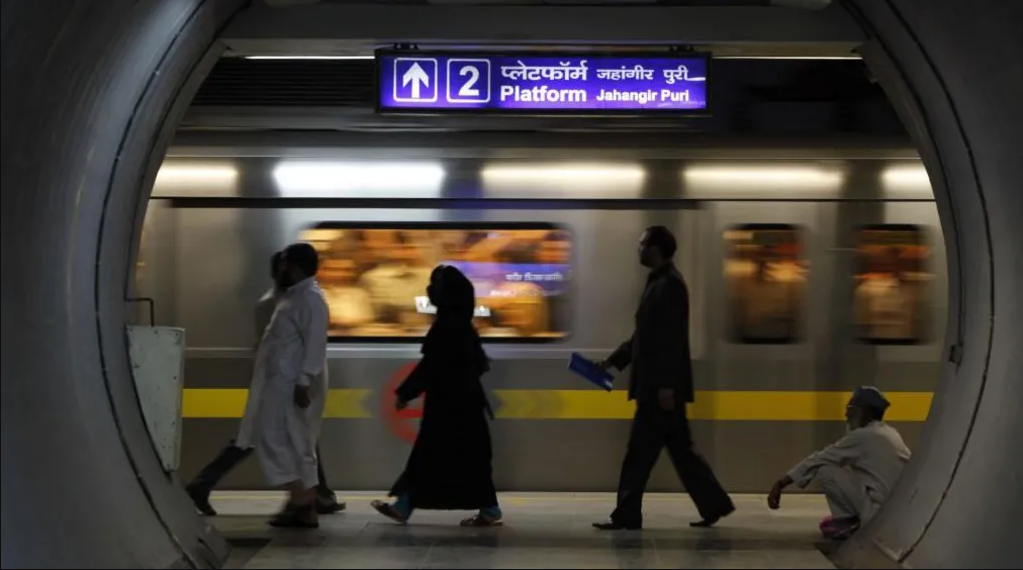
This issue is not limited to Mumbai. Across cities like Bengaluru, Chennai, and Kanpur, metro systems are operating at far below their projected capacities. Studies suggest that many corridors are achieving only 20% to 50% of their expected ridership, with some smaller cities reporting even lower usage.
Even in Delhi, which has the country’s most extensive metro network, experts note that ridership figures may appear stronger partly due to how journeys are counted, including interchanges as separate trips.
Transport experts argue that overly optimistic demand projections are a key factor behind the mismatch. In some cases, forecasts were based on ideal operating conditions — such as high train frequency and maximum coach capacity — that were never fully implemented. As a result, actual service levels often fall short of what commuters were promised.
Beyond pricing, infrastructure gaps continue to hold back metro adoption. Poor last-mile connectivity remains a major challenge, with limited feeder bus services and inadequate transport options linking stations to residential or commercial areas. Long transfer times between metro lines, sometimes stretching up to 20 minutes, further discourage potential users.
Safety and accessibility concerns also play a role, particularly for women and late-night commuters. In many cities, poorly lit surroundings, lack of pedestrian-friendly pathways, and difficulty finding transport after exiting stations reduce confidence in using the metro regularly.
Institutional fragmentation adds another layer of complexity. Different agencies often manage metro systems, buses, and other public transport services independently, leading to weak coordination and inefficient integration. Experts stress that without seamless connectivity and unified planning, metro systems cannot reach their full potential.
Despite these challenges, the long-term need for metro systems in India remains strong. Rapid urbanisation, worsening traffic congestion, rising fuel costs, and growing environmental concerns continue to push cities toward mass transit solutions.
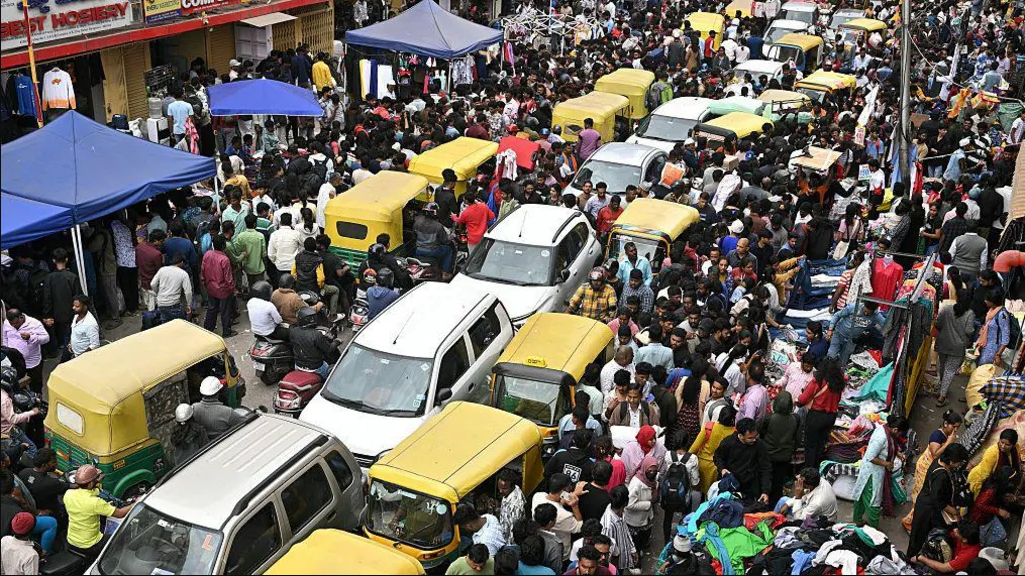
However, analysts caution that infrastructure alone is not enough. Without affordable fares, better connectivity, and integrated transport planning, India risks building world-class metro systems that remain underutilised.
The future success of these projects will depend not just on expansion, but on making metro travel practical, accessible, and attractive for everyday commuters.