
Europe Faces $28 Billion Energy Shock as Iran War Fuels New Crisis
The European Union has announced a series of emergency measures as it grapples with a renewed energy crisis driven by rising fuel prices linked to the ongoing Iran conflict.
According to the European Commission, the bloc has already spent an additional €24 billion (around $28 billion) on energy imports since the start of the war — averaging more than $587 million per day — without receiving any increase in supply.
Officials warned that Europe is once again paying the price for its dependence on imported fossil fuels, just years after recovering from the energy shock caused by Russia’s invasion of Ukraine in 2022.
Emergency Measures Across the EU
To counter rising costs and potential shortages, the EU has proposed creating a central coordination system to monitor fuel supplies, particularly jet fuel and diesel.
The plan includes allowing emergency fuel sharing between member states and releasing strategic reserves if needed. Aviation industry groups have also warned of possible jet fuel shortages in the coming weeks, as Europe imports around 70% of its supply.
Industry representatives have called for temporary suspension of aviation taxes and financial support measures such as energy vouchers, tax reductions, and income assistance to help households and businesses cope.
Aviation and Industry Under Pressure
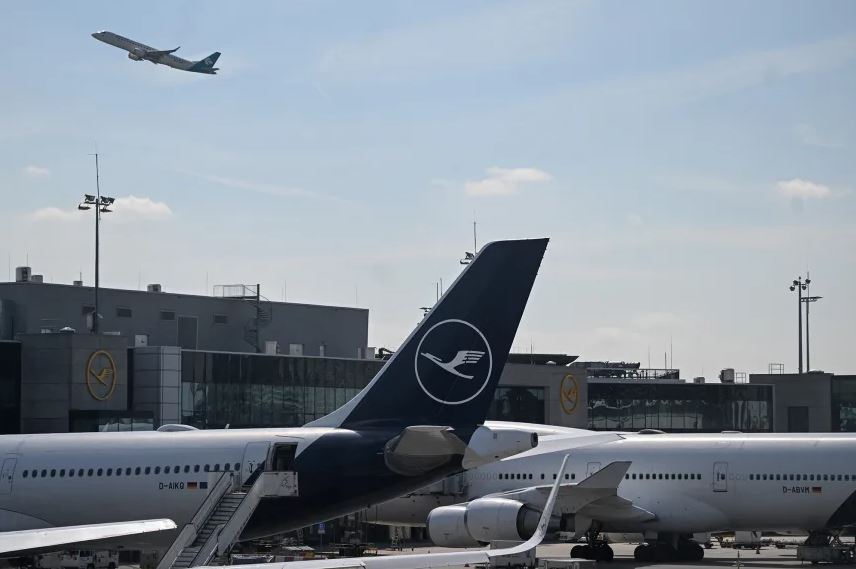
Air travel has already been affected. Lufthansa Group has announced plans to cut 20,000 flights through October, citing sharply rising jet fuel prices.
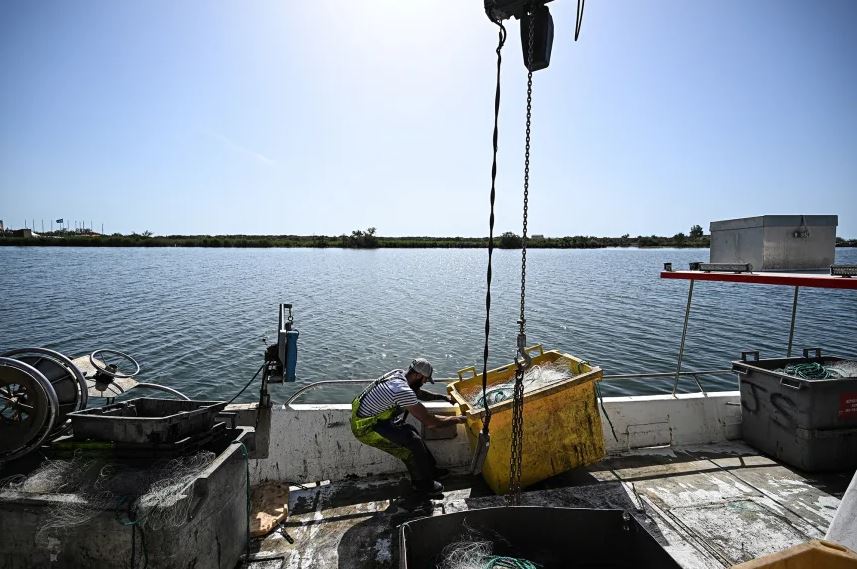
Energy costs are also hitting other sectors. Fishermen in several EU countries have reduced operations or stopped fishing entirely as fuel and raw material prices surge.
The chemical industry has also been affected, with major companies raising prices on essential products such as plastics, detergents, and industrial chemicals.
Broader Economic Impact
Economists warn that prolonged disruption could push parts of Europe into recession if energy supply issues persist.
The International Monetary Fund has already downgraded growth forecasts for the eurozone and the UK, citing rising costs and weaker consumption.
In Germany, industry groups have warned of falling orders, reduced factory output, and potential job losses if conditions continue.
UK Also Feels the Shock
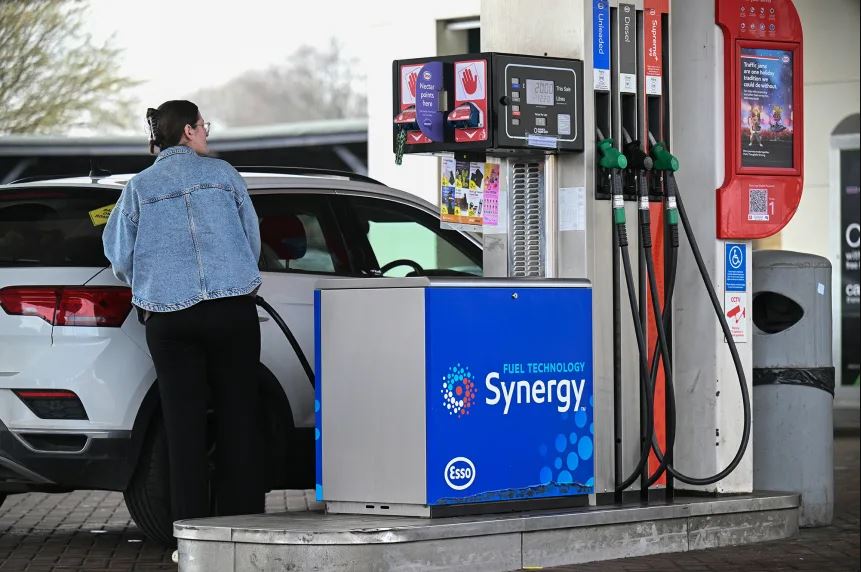
In the United Kingdom, inflation has risen again due to higher fuel prices, along with increases in food and air travel costs.
Energy officials have introduced new measures to expand renewable energy projects and reduce reliance on imported fuels in an effort to stabilize long-term prices.
Outlook Remains Uncertain
The European Commission warned that even if the conflict ends soon, disruptions in global energy supply chains are likely to continue for the foreseeable future.
Experts say Europe’s latest energy crisis highlights ongoing vulnerabilities in global fuel dependency and the economic risks of prolonged geopolitical conflict.