
Iran’s Missing Supreme Leader Raises Questions Amid War and Political Uncertainty
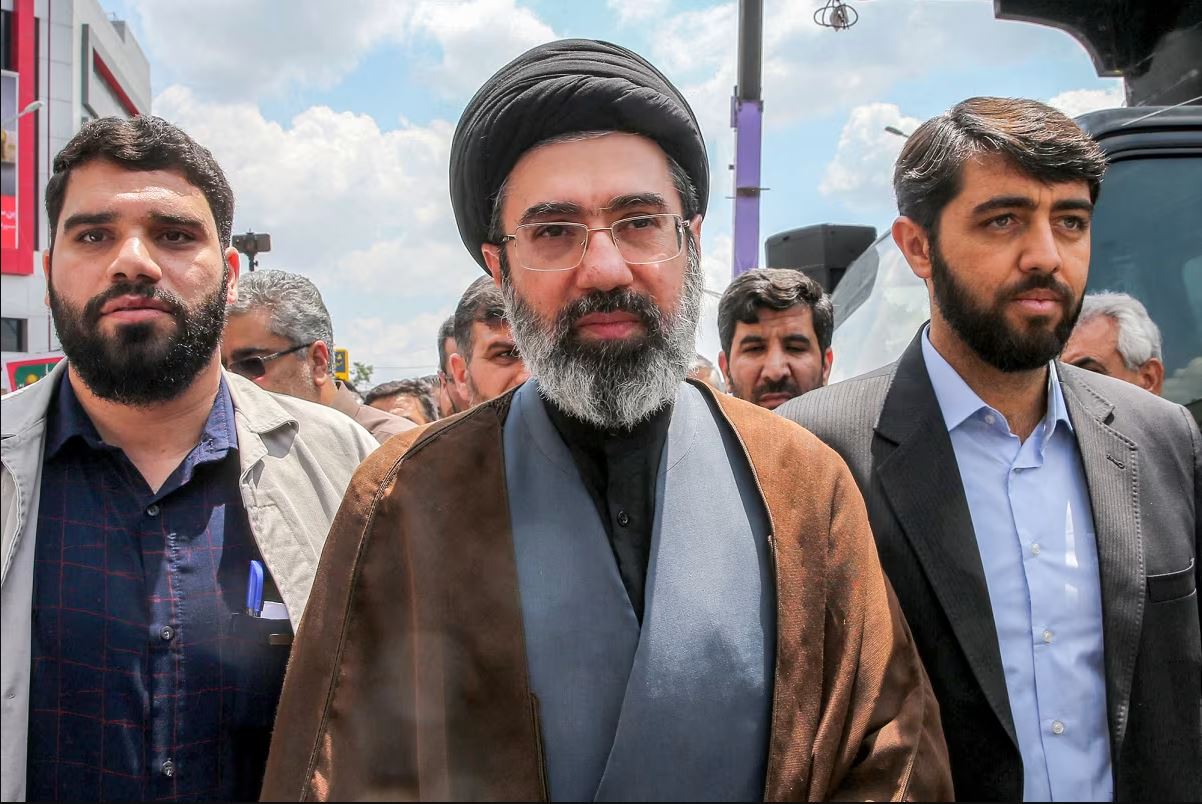
Iran’s newly appointed Supreme Leader, Mojtaba Khamenei, has not been seen or heard from publicly for more than six weeks, fueling speculation about his condition and the stability of the country’s leadership at a critical moment.
He was reportedly named successor following the assassination of his father, former Supreme Leader Ayatollah Ali Khamenei, but unlike his predecessor, Mojtaba Khamenei has not appeared in public or delivered any direct speeches since taking power.
Instead, statements attributed to him have been released through state media or social platforms, with Iranian outlets even using AI-generated videos to simulate his presence. This has raised further questions about whether he is actively leading the country or operating in the background.
Concerns Over Leadership Visibility
Reports citing unnamed sources suggest Khamenei may be recovering from injuries sustained during recent strikes that also killed senior Iranian military figures. Other accounts indicate he is participating in high-level decision-making remotely through audio communication.
Experts remain divided over his actual role in governance.
Ali Vaez of the International Crisis Group noted that while Khamenei may be involved in approving major decisions, day-to-day leadership appears to be handled by senior officials.
“The system is using him to get final approval for key broad decisions, not tactical negotiations,” Vaez said.
Iran’s Negotiation Challenges
The uncertainty surrounding Iran’s leadership comes as the country navigates sensitive negotiations with the United States and manages the ongoing regional conflict.
Some talks have reportedly stalled, with Iranian representatives at times failing to attend scheduled meetings. Former US President Donald Trump has described Iran’s leadership as “fractured,” while Iranian officials insist the system remains unified.
Iranian state media has strongly rejected claims of internal division, calling them “Western propaganda” and reaffirming national unity.
Rising Role of Senior Officials
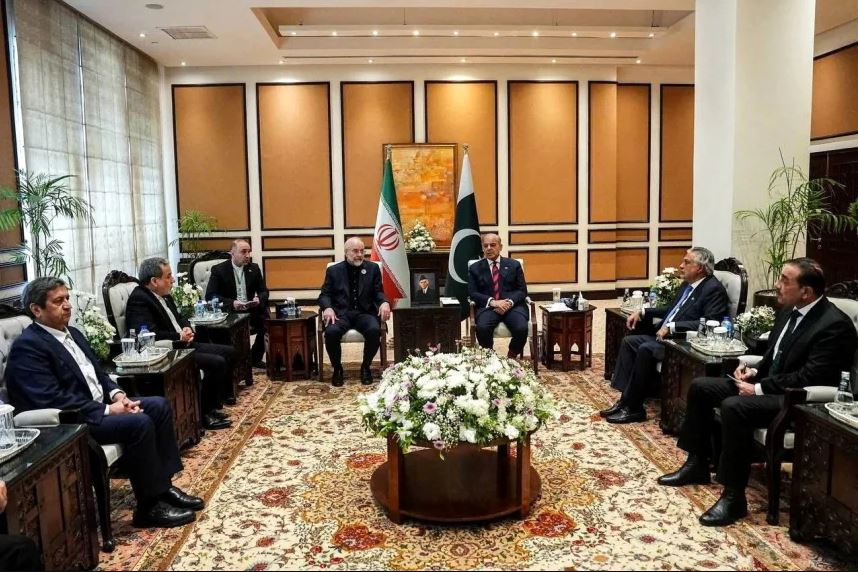
In the absence of a visible supreme leader, other Iranian political figures have taken on a more prominent role.
Parliament Speaker Mohammad Bagher Ghalibaf and Foreign Minister Abbas Araghchi have emerged as key representatives in diplomatic discussions, signaling an effort to present a unified front during negotiations.
However, analysts say the lack of clarity around ultimate decision-making has created confusion both domestically and internationally.
Internal Pressure and External Tensions
Inside Iran, political leaders face growing pressure from hardline supporters who oppose any compromise with the United States. At the same time, they are managing diplomatic engagement under increasing international scrutiny.
Experts say this balancing act has become more difficult as military tensions, economic pressure, and political uncertainty converge.
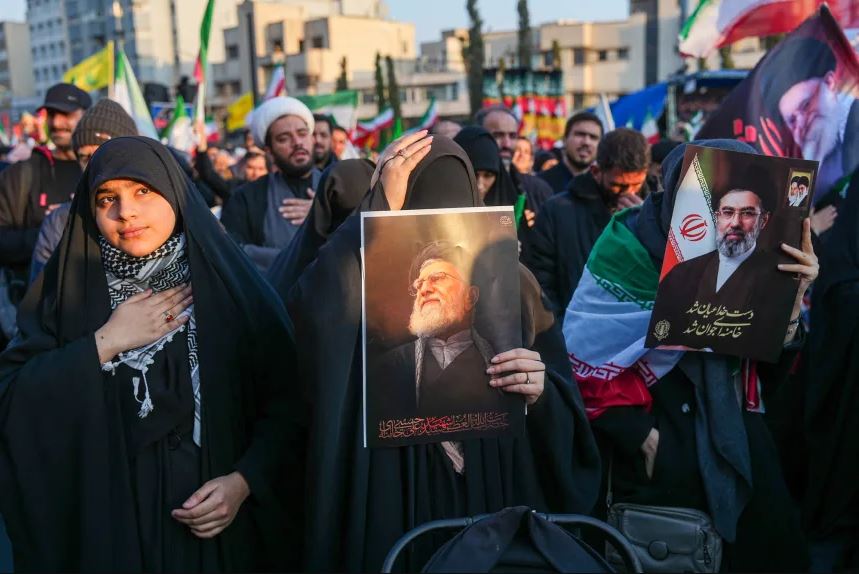
A System Under Strain
Analysts suggest Iran’s leadership is currently operating in an unusually decentralized manner, with decisions influenced by multiple power centers rather than a single visible authority.
“This regime is not out of the woods,” said Iran analyst Ali Vaez. “It is a battle of survival, and at any point they could revert back to war.”
For now, the absence of Iran’s supreme leader from public view continues to fuel speculation about the country’s direction at a time of heightened regional instability.