

Confusion Over Trump Student Loan Cap as Officials Issue Mixed Guidance on Graduate Borrowing Limits
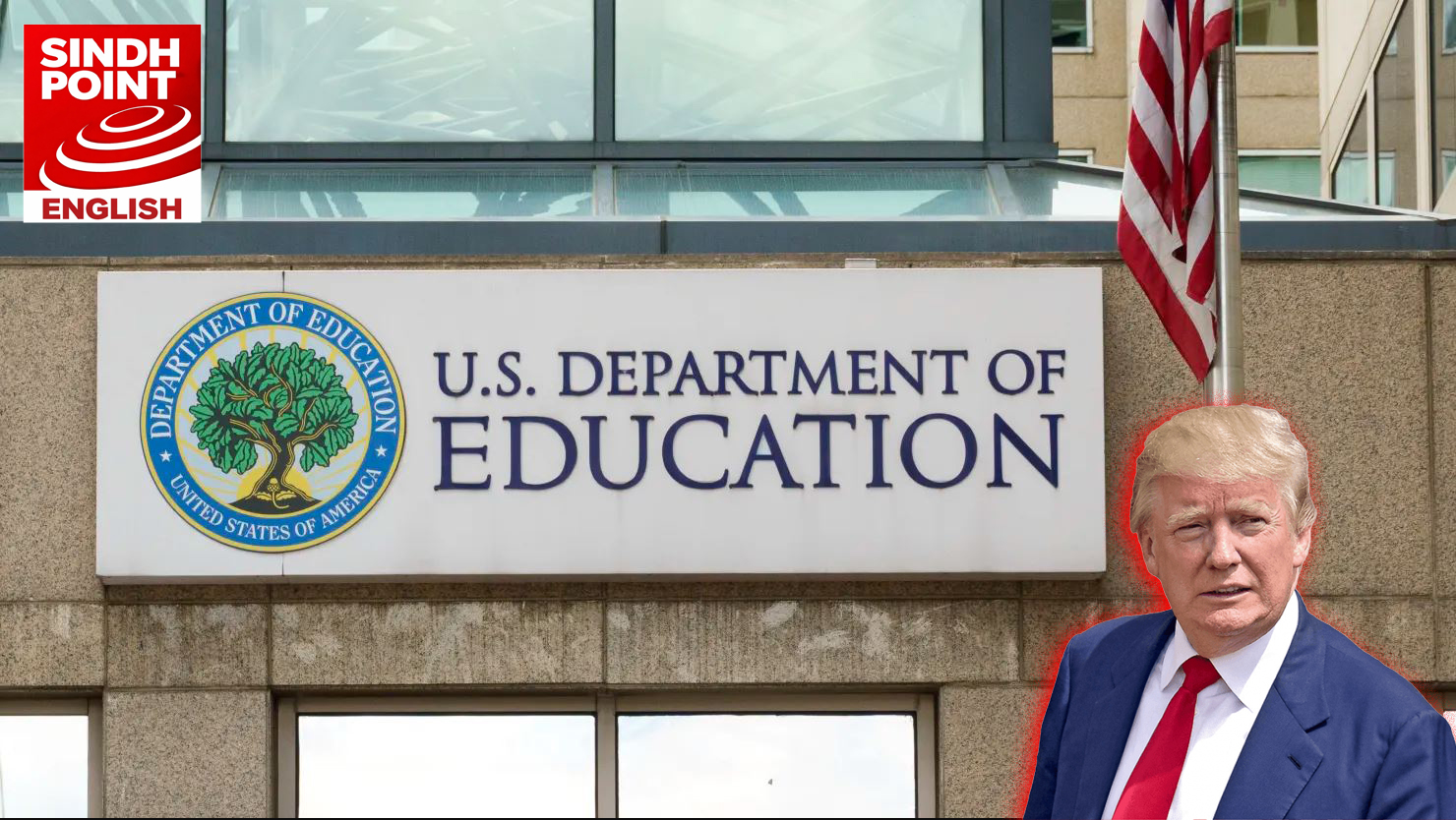
Uncertainty is growing around upcoming changes to U.S. federal student loan rules after conflicting guidance emerged from the Department of Education regarding new borrowing caps for graduate students.
Under a provision in President Donald Trump’s student loan reform legislation passed last year, federal student loans will be subject to a lifetime borrowing cap of $257,500 starting July 1, 2026.
However, education officials have reportedly given inconsistent information about whether certain graduate-level loans — known as Grad PLUS loans — will be included in the new borrowing limit.
Financial Aid Groups Raise Concerns
The National Association of Student Financial Aid Administrators (NASFAA), which represents financial aid professionals, said the lack of clarity is causing confusion for both students and institutions.
“This approach is both irresponsible and unfair,” said NASFAA president Melanie Storey, adding that financial aid offices are struggling to provide accurate guidance due to inconsistent federal messaging.
Higher education expert Mark Kantrowitz also warned that unclear rules are making it difficult for students to plan for graduate education costs.
Changes to Graduate Loan Programs
The new legislation eliminates the Grad PLUS loan program starting July 1, 2026. However, students currently enrolled may be “grandfathered in” and allowed to continue borrowing under certain conditions for a limited time.
Future graduate students will face stricter borrowing limits, with annual federal loan caps reportedly set at $20,500 — a significant reduction from the previous system, which allowed borrowing up to the full cost of attendance.
Policy Rationale and Criticism
Trump administration officials have argued that unrestricted borrowing contributed to rising graduate tuition costs. The new cap is intended to control tuition inflation and reduce long-term student debt burdens.
However, critics warn the policy may push more students toward private lenders, which typically offer fewer protections and less flexible repayment options.
Consumer advocates also caution that reduced access to federal loans could make graduate education less affordable for many students.
Regulatory Clarification Expected
The Department of Education has said it is finalizing regulations and will soon issue clearer guidance on how the new loan rules will be implemented.
Until then, students and universities remain in a state of uncertainty as they prepare for upcoming enrollment decisions.