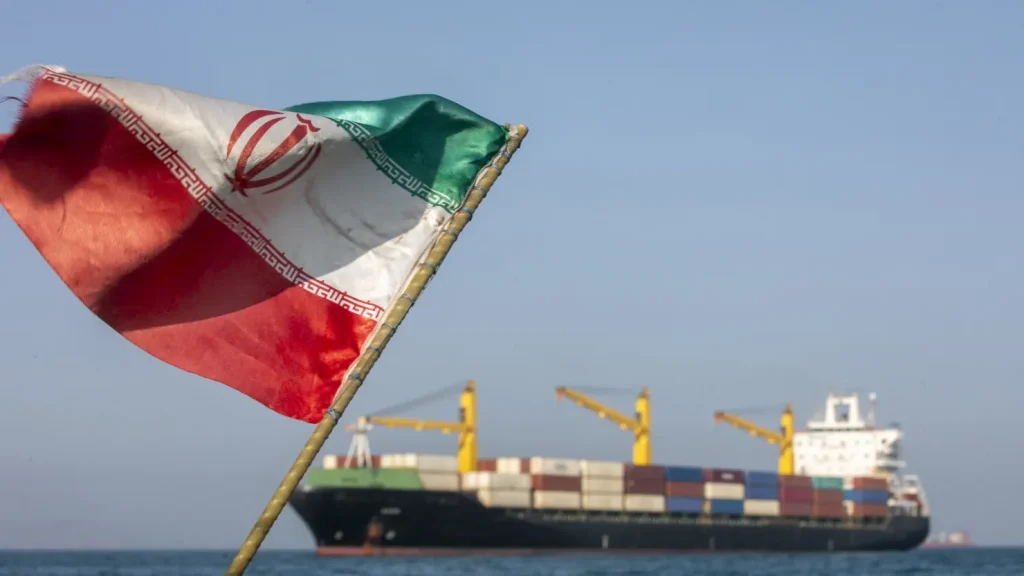

The United States has officially lifted its naval blockade of Iran after both countries signed an agreement aimed at ending months of conflict and easing tensions across the Middle East.
US Central Command confirmed that the blockade had been lifted in accordance with President Donald Trump’s directive, although some American naval forces will remain in the region to monitor security developments.
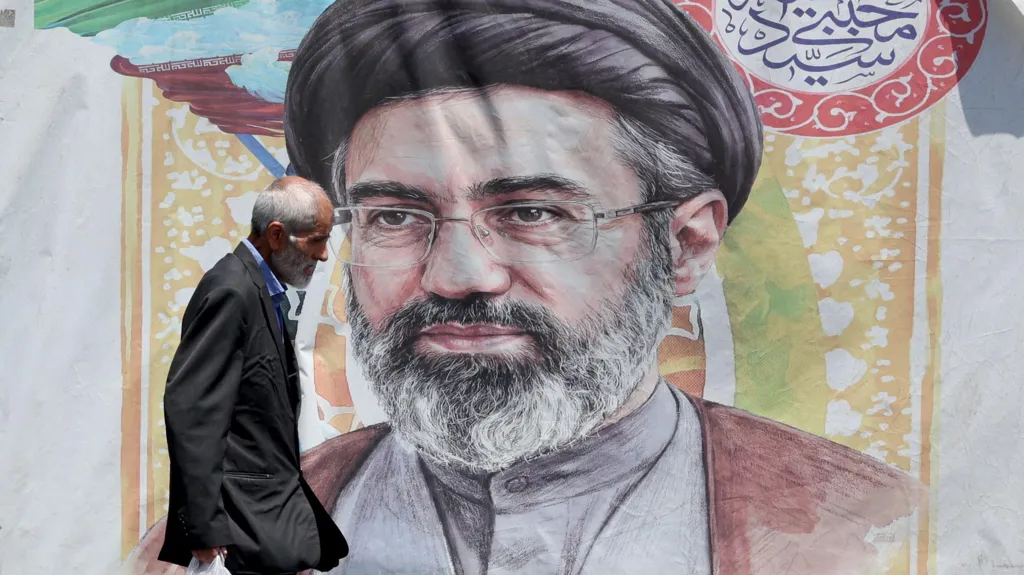
Shortly after the announcement, Iran’s Supreme Leader Mojtaba Khamenei publicly commented on the agreement for the first time. Khamenei said he approved the deal despite having reservations, adding that he trusted assurances from President Masoud Pezeshkian that Iran’s national interests would be protected.
Khamenei claimed that President Trump had used every available form of pressure “out of desperation” to secure the agreement. However, he also acknowledged that future direct negotiations between Tehran and Washington would continue, while emphasizing that such talks do not mean Iran accepts the position of the United States.
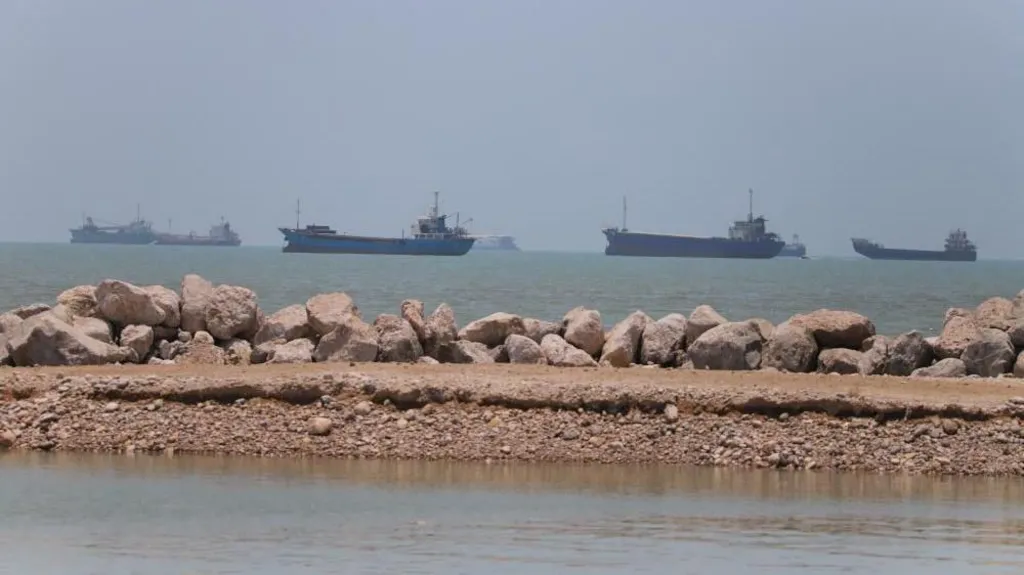
The agreement includes several major provisions, including the reopening of the Strait of Hormuz, commitments related to Iran’s nuclear program, and the creation of a $300 billion reconstruction and economic development fund for Iran. The deal also establishes a 60-day period for additional negotiations aimed at reaching a comprehensive settlement.
Although a formal signing ceremony was originally planned in Switzerland, officials confirmed that the agreement was finalized remotely. American and Iranian representatives are still expected to meet in Switzerland for technical discussions regarding implementation of the deal.
US Vice President JD Vance defended the agreement against criticism from some Republican lawmakers and Israeli officials. He stated that Iran would only receive economic benefits if it fully complies with its obligations, including addressing concerns related to enriched uranium and regional security activities.
The deal has generated mixed reactions internationally. Supporters argue it reduces the risk of a wider regional war and helps stabilize global energy markets. Critics, however, claim the agreement does not go far enough in limiting Iran’s influence and nuclear ambitions.
Despite the breakthrough, tensions remain in the region. Israel and Hezbollah have continued exchanging strikes in recent days, raising concerns about whether broader stability can be maintained while negotiations continue.
The coming weeks are expected to be crucial as both Washington and Tehran begin technical talks and attempt to transform the current agreement into a long-term peace framework.