

US Vice President JD Vance has sharply criticised Israeli politicians opposing the newly signed US-Iran peace agreement, urging them to recognise the importance of Washington’s support.
Speaking during a White House briefing, Vance responded to criticism from members of the Israeli government who oppose the memorandum of understanding (MoU) signed between the United States and Iran to end months of conflict.
“If I was in the cabinet of the Israeli government, I might not be attacking the only powerful ally that I have anywhere left in the entire world,” Vance said.
He added that Israeli officials who view the US administration as a problem should “wake up and smell the reality of the situation.”
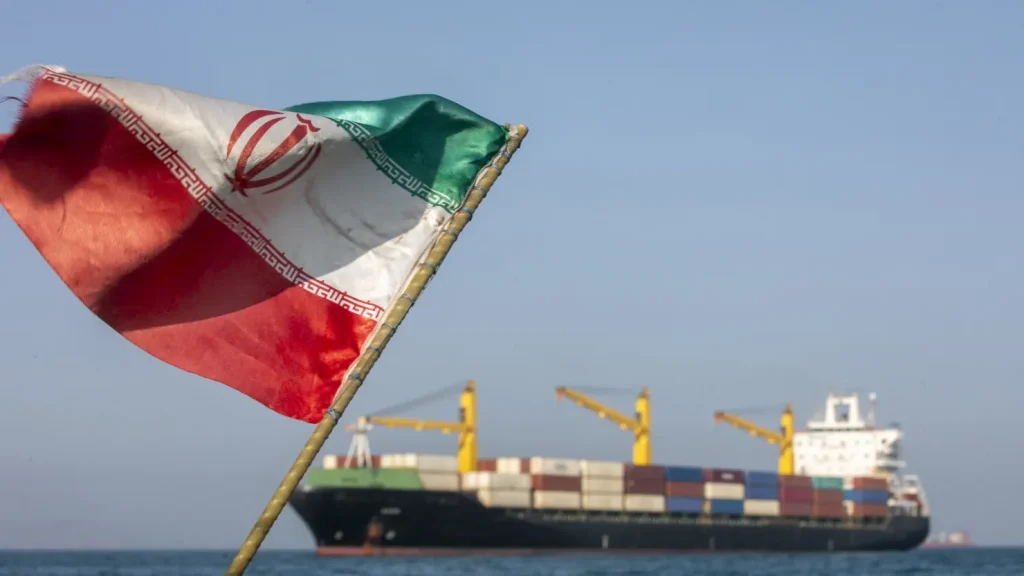
The agreement signed by US President Donald Trump and Iranian leaders establishes a framework to end the war, reopen the Strait of Hormuz to commercial shipping, and launch a 60-day negotiation process aimed at reaching a comprehensive settlement.
Vance defended the deal against critics who argue that it offers Iran sanctions relief and economic incentives without fully dismantling its nuclear programme.
According to the vice president, Iran will only receive the benefits promised under the agreement if it complies with all conditions verified during the negotiation period.
“We’re about verification,” Vance said, stressing that implementation of the agreement would determine whether Tehran gains access to economic benefits.
He also confirmed that the United States has begun honouring its commitments by lifting its naval blockade and allowing commercial vessels to move through regional waters.
The vice president revealed that he may travel to Switzerland for upcoming technical negotiations aimed at finalising a broader long-term agreement between Washington and Tehran.
Vance’s prominent role in managing the Iran peace process has increased his visibility on the global stage and could become a significant factor ahead of the 2028 US presidential election. While supporters view the agreement as a diplomatic breakthrough, critics remain sceptical about whether it can deliver lasting peace and prevent future conflict in the Middle East.