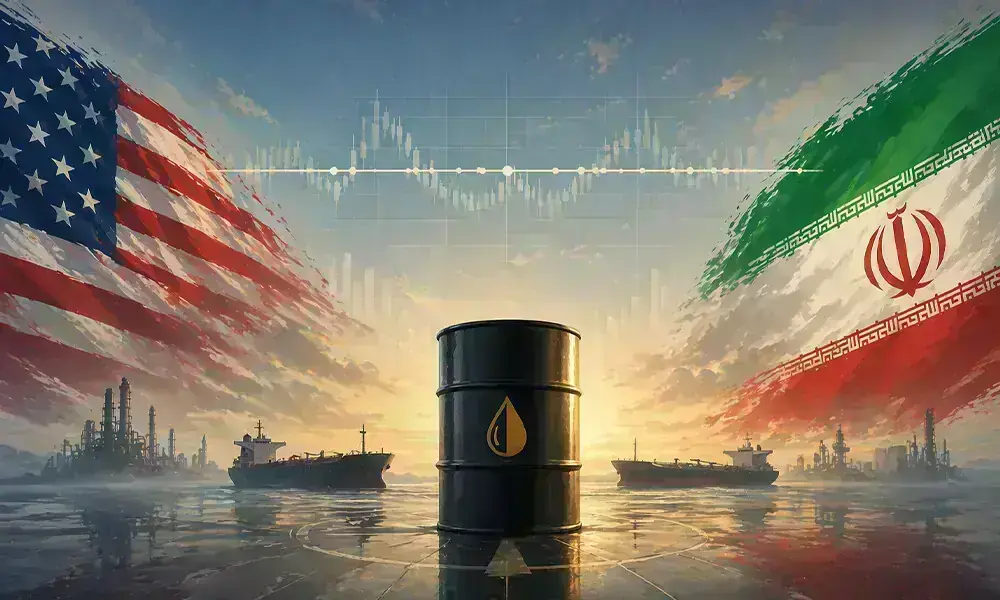

Global oil prices fell by more than 1% on Wednesday, extending losses for the week as optimism grew over the gradual resumption of oil shipments through the Strait of Hormuz following recent US-Iran peace efforts.
Both major oil benchmarks traded near their lowest levels in four months, reflecting easing concerns over global supply disruptions.
Oil Benchmarks Continue to Fall
As of 0350 GMT:
- Brent crude futures dropped 78 cents (1.0%) to $76.30 per barrel.
- US West Texas Intermediate (WTI) crude fell 78 cents (1.1%) to $72.43 per barrel.
Both contracts had already closed about 1% lower on Tuesday, reaching their weakest levels since early March.
Hormuz Traffic Shows Signs of Recovery
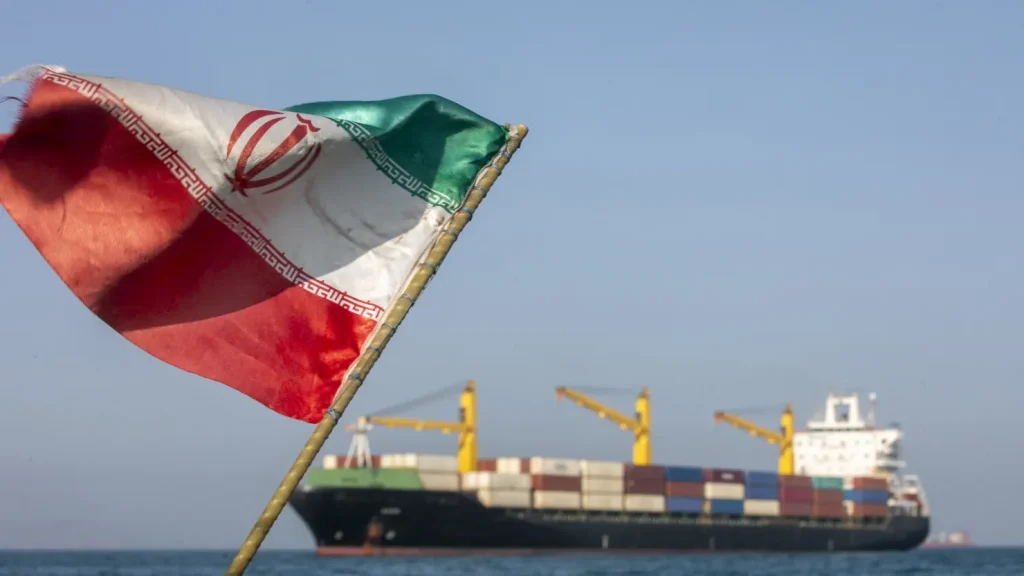
Market sentiment improved after reports indicated that more oil tankers stranded in the Gulf are beginning to transit the Strait of Hormuz, one of the world’s most important energy shipping routes.
According to analysts at ING, vessel movements have increased in recent days, although traffic remains well below pre-war levels.
Ship-tracking data showed that three stranded supertankers successfully passed through the strait on Tuesday.
Meanwhile, the UN shipping agency said an evacuation plan is underway to help hundreds of vessels and approximately 11,000 seafarers stranded in the Gulf safely resume their voyages.
US-Iran Developments Weigh on Prices
Oil prices also came under pressure after the United States granted Iran a 60-day sanctions waiver, allowing Tehran to resume oil exports while negotiations on a broader agreement continue.
The easing of hostilities in Lebanon has further reduced concerns over potential supply disruptions.
Analysts say continued progress in US-Iran nuclear negotiations could push oil prices back toward levels seen before the regional conflict.
Uncertainty Remains
Despite improving market sentiment, uncertainty persists over the long-term durability of the agreement.
US President Donald Trump said Iran had agreed to indefinite nuclear inspections, while Iranian officials denied making such a commitment during negotiations.
Separately, Oman and Iran agreed to continue discussions on the future management of navigation through the Strait of Hormuz.
US Secretary of State Marco Rubio warned that any attempt by Iran to impose transit fees on international shipping would violate international law.
Limited Vessel Movement Continues
According to Iranian media, an Iranian military source said only a limited number of vessels are currently being allowed to pass through the Strait of Hormuz each day under coordination with the country’s Revolutionary Guards Navy.
Investors continue to monitor:
- The pace of oil export recovery.
- The number of commercial vessels returning to the region.
- Progress in US-Iran negotiations.
- Stability across the Middle East.
US Crude Inventories Decline
Supporting the supply outlook, data from the American Petroleum Institute (API) showed US crude oil inventories fell by 765,000 barrels during the week ending June 19.
Analysts surveyed by Reuters had expected a larger decline of approximately 4.5 million barrels, indicating demand remains relatively stable despite recent geopolitical uncertainty.