
Fresh differences have emerged between the United States and Iran over key provisions of their recently signed peace framework, raising uncertainty about the future of negotiations aimed at permanently ending the conflict.
While both sides completed the first round of talks in Switzerland on Monday, they have offered conflicting interpretations of several major elements of the agreement, including nuclear inspections, frozen Iranian assets, the Strait of Hormuz, and Israel’s military operations in Lebanon.
Trump Claims Iran Agreed to Nuclear Inspections
US President Donald Trump said Iran had agreed to allow international nuclear inspections “into infinity,” describing the development as a major breakthrough.
Speaking at a rally in Pennsylvania and later on social media, Trump said:
“Iran has fully and completely agreed to the highest level nuclear inspections long into the future.”
However, Iranian officials strongly rejected the claim.
Tehran insisted that its nuclear programme was not discussed during the latest negotiations and denied agreeing to permit inspectors from the International Atomic Energy Agency (IAEA) unrestricted access to its nuclear facilities.
The issue remains one of the most significant unresolved aspects of the negotiations, with both sides expected to continue discussions over the next 60 days.
Dispute Over Frozen Iranian Assets
Washington and Tehran also presented conflicting accounts regarding access to Iranian funds frozen abroad.
President Trump said any released assets would be used primarily to purchase food and medical supplies from the United States.
In contrast, Iran’s ambassador to the United Nations in Geneva, Ali Bahreini, said Iran alone would decide how to spend any unfrozen funds.
As part of the initial agreement, Washington has already granted Iran a 60-day sanctions waiver, allowing Tehran to resume oil exports and receive payments.
Strait of Hormuz Remains Sensitive Issue
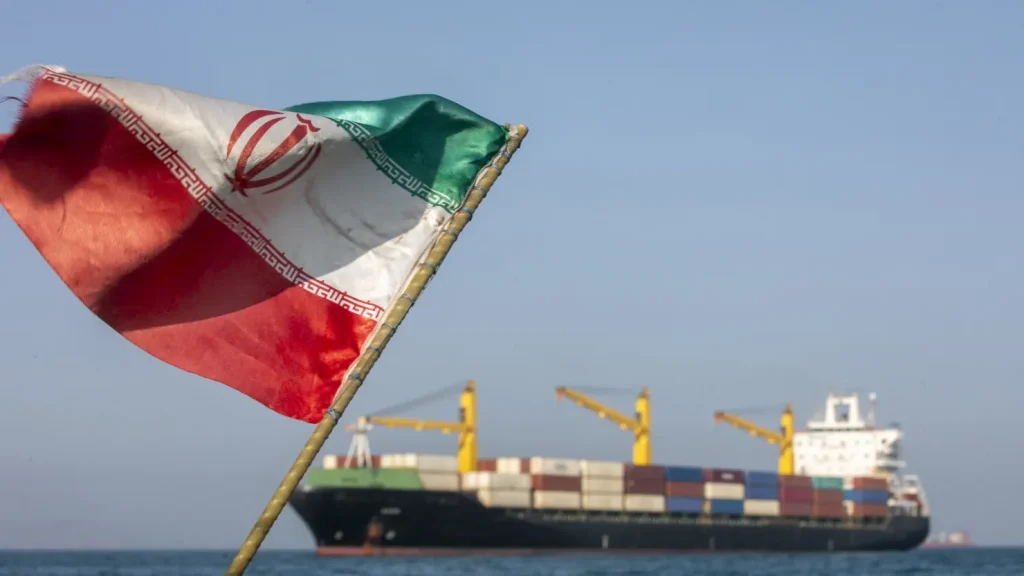
The agreement has enabled commercial shipping to resume through the Strait of Hormuz, a vital waterway that carries nearly 20% of global oil and liquefied natural gas supplies.
Oil prices have continued to fall as tanker traffic gradually increases.
However, Iran has indicated it may introduce transit fees once the 60-day negotiation period ends.
In a joint statement, Iran and Oman reaffirmed their sovereign rights over navigation in the strait and pledged to coordinate maritime traffic management.
US Secretary of State Marco Rubio rejected the idea of transit charges, warning that any attempt by Iran to impose tolls would violate international law.
Lebanon Remains a Sticking Point
Another major point of disagreement concerns the conflict in Lebanon.
Iran maintains that the agreement requires Israel to withdraw its forces from southern Lebanon.
Israel, however, insists it will maintain a security presence in the area and continue military operations against threats posed by Hezbollah.
Despite renewed diplomatic contacts, violence has continued.
According to Lebanese authorities, Israeli gunfire killed two people in southern Lebanon on Tuesday, while Hezbollah accused Israel of violating the recently announced ceasefire.
Domestic Pressure Grows in the United States
The peace process is also facing increasing political scrutiny in Washington.
The US Senate approved a largely symbolic resolution urging President Trump to end military involvement in Iran, reflecting bipartisan concern over the conflict.
A Reuters/Ipsos poll found:
- 35% of Americans believe the United States is now in a weaker position than before the war.
- 23% believe Washington’s position has strengthened.
The vote highlighted divisions within Trump’s own Republican Party over the handling of the conflict.
Oil Prices Continue to Decline
Improving prospects for stable oil supplies pushed crude prices lower for another session.
President Trump also urged oil companies to reduce fuel prices more quickly, arguing that falling crude prices should translate into cheaper gasoline for American consumers.
Meanwhile, the International Maritime Organization (IMO) is coordinating efforts to evacuate approximately 11,000 seafarers stranded in the Gulf during the conflict.