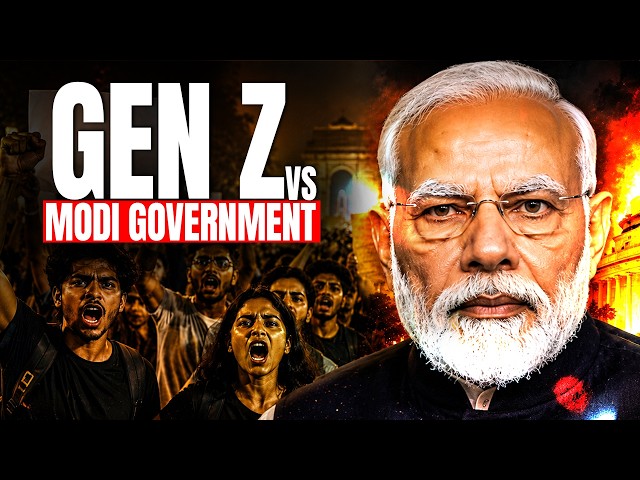

A youth-led protest movement that emerged only weeks ago has achieved what India’s mainstream opposition parties failed to do for years — forcing Prime Minister Narendra Modi’s government into a rare political retreat.
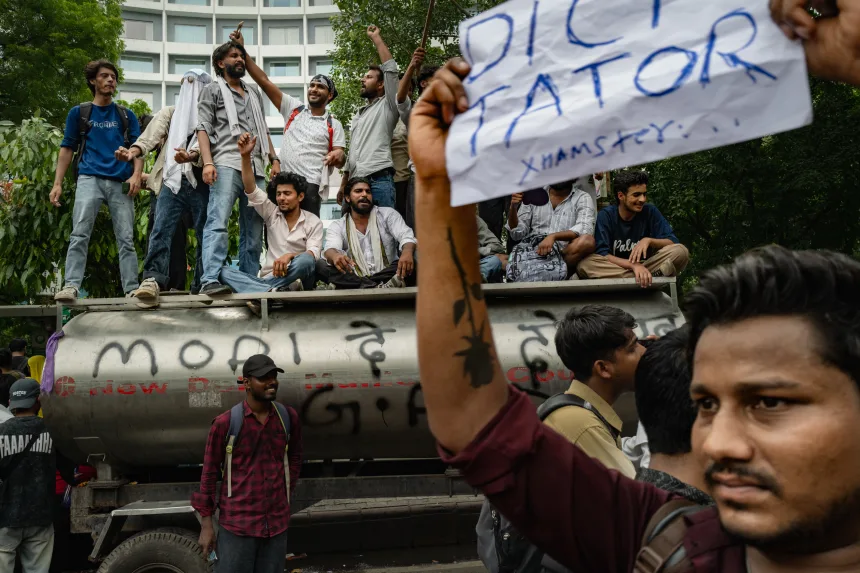
The movement, known as the Cockroach Janta Party (CJP), mobilised tens of thousands of students and young people in New Delhi through social media, demanding accountability over the leak of a nationwide university entrance examination that affected millions of aspiring medical and dental students.
Their primary demand was the resignation of Education Minister Dharmendra Pradhan, whom protesters blamed for the examination scandal.
Government Backs Down
The movement celebrated a major victory after Dharmendra Pradhan resigned, prompting jubilant scenes at New Delhi’s Jantar Mantar, where demonstrators gathered to celebrate what they described as a triumph of public accountability.
The resignation marked one of the rare occasions in more than a decade that Prime Minister Modi’s government has yielded to sustained public pressure.
Youth Frustration at the Core
While the protests began over the examination paper leak, they soon evolved into a broader expression of frustration over unemployment, governance and limited opportunities for young people.
India has one of the world’s youngest populations, with more than 360 million people aged between 15 and 29. Despite strong economic growth, many graduates continue to struggle to find employment.
According to recent data cited during the protests, nearly 40 per cent of graduates aged 25 and below are unemployed, fuelling growing dissatisfaction among the country’s youth.
Social Media Drives the Movement
Unlike previous protest movements, the Cockroach Janta Party relied almost entirely on Instagram, short videos, memes and online satire to organise demonstrations and spread its message.
As mainstream television channels gave little initial coverage to the protests, participants documented events themselves through social media, rapidly expanding public support across the country.
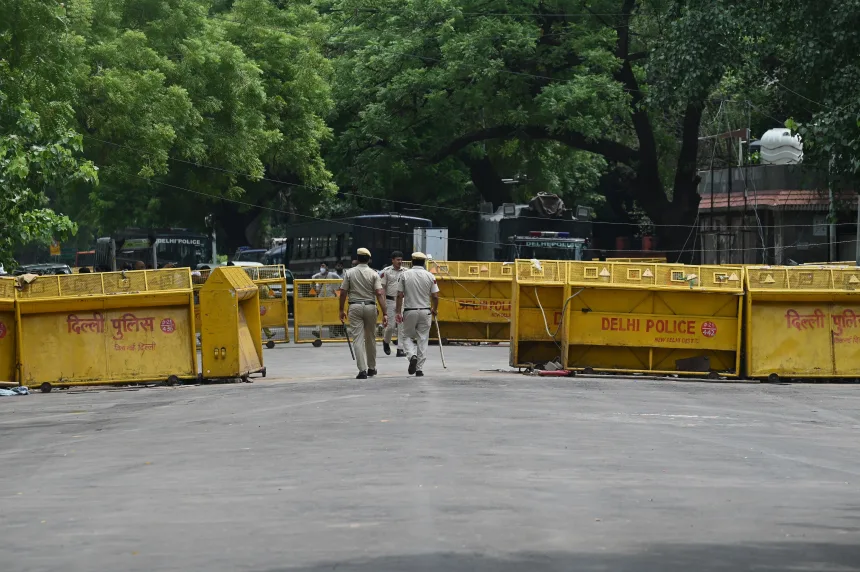
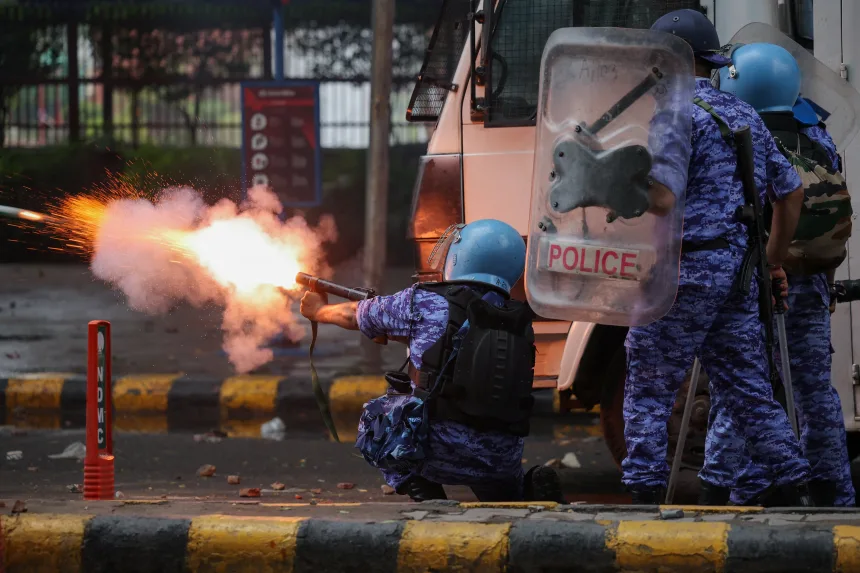
The movement gained further momentum after police dispersed protesters marching toward Parliament using tear gas and batons, prompting even larger demonstrations.
Political Implications
Political analysts believe the protests represent a new challenge for the ruling Bharatiya Janata Party (BJP) because they were driven by perceived administrative failures rather than ideological disagreements.
The demonstrations also come at a sensitive political moment following the BJP’s reduced parliamentary majority in the 2024 general elections.
Many of the protesters belonged to the middle- and lower-middle-class demographic that has traditionally supported the BJP, making the movement particularly significant for the government.
Modi Responds
As public pressure intensified, Prime Minister Modi released two video messages on social media addressing students directly and thanking them for their feedback.
The videos were widely discussed online, with the prime minister even adjusting the filming style after the first video attracted criticism and satire from social media users.
What Comes Next?
Following the education minister’s resignation, protest leaders announced the temporary suspension of demonstrations after the government assured them it would consider their remaining demands, including compensation for families of students reportedly affected by the examination scandal.
Although the immediate protests have ended, analysts say the movement has demonstrated the growing political influence of Generation Z and highlighted the power of social media-driven activism in India.
Whether the Cockroach Janta Party evolves into a broader political movement or remains a single-issue campaign could shape the future of youth politics in the world’s largest democracy.