
Drones are emerging as one of the newest technologies being deployed to protect schools in the United States, as districts search for faster ways to respond to active-shooter threats and other emergencies.
The development is part of a rapidly expanding school-security industry estimated to be worth billions of dollars annually. Security spending includes school resource officers, metal detectors, surveillance cameras, emergency systems, artificial intelligence and other technologies designed to prevent or respond to violence.
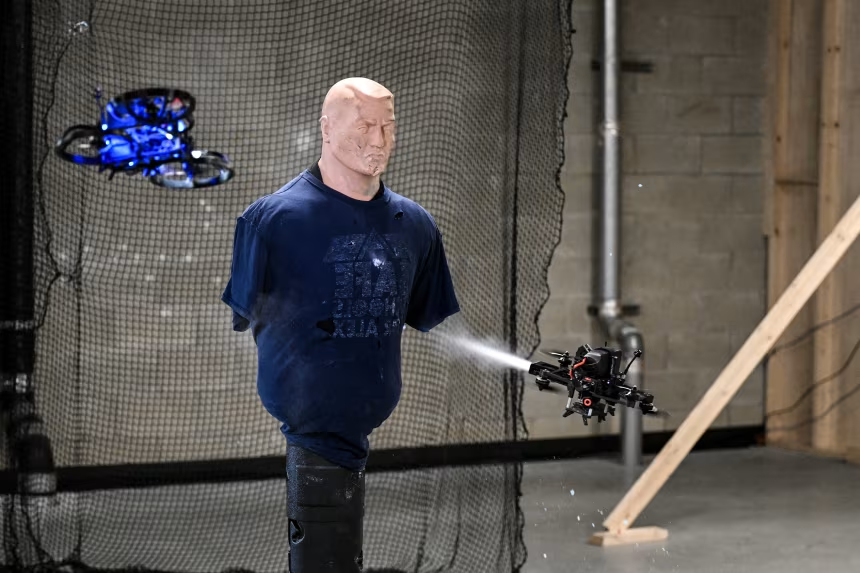
One company, Campus Guardian Angel, has developed small remotely operated drones that can enter school buildings, provide live video to law enforcement and communicate through an onboard speaker system. The company says its technology can help locate and disrupt an attacker while reducing the time before police can respond.
The drones are already being introduced in school districts in Florida and Georgia, while pilot deployments are also expanding to Colorado, with interest reportedly coming from other states.
Technology-driven security expands
The growth of these systems follows years of high-profile school shootings that have prompted parents, educators and policymakers to seek stronger security measures.
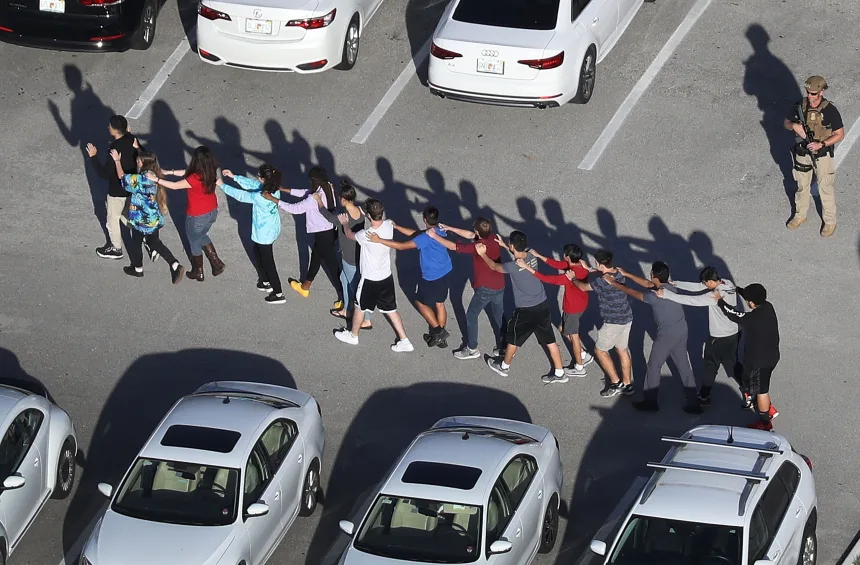
The 2018 shooting at Marjory Stoneman Douglas High School in Parkland, Florida, became a major turning point in the national debate over school safety. In the months following the attack, states committed hundreds of millions of dollars toward student safety and security measures.
School districts have since adopted a range of approaches, including panic alarms, automatic door locks, surveillance cameras, metal detectors and AI-powered gun detection systems.
But some of these technologies have also demonstrated limitations.
AI gun-detection systems have failed to identify weapons in certain circumstances, while students carrying firearms have sometimes bypassed or entered schools through security systems that were ineffective or not operating.
These incidents have raised questions about whether increasingly sophisticated technology can reliably prevent school shootings.
Drones promise faster response
Supporters of school-security drones argue that their biggest advantage is speed.
The systems can potentially provide authorities with live footage from inside a building before officers enter, allowing responders to understand the situation and locate a threat more quickly.
The drones can also be equipped with communication systems and technologies intended to disrupt or incapacitate an attacker, according to the company behind the system.
The technology is being promoted as a way to bridge the critical gap between the moment a shooting begins and the arrival of law enforcement.
However, the effectiveness of these systems remains an important question. Researchers and school-safety experts say there is still limited independent evidence showing how well newer technologies perform during real-world attacks.
Training remains critical
Technology is only one part of the response.
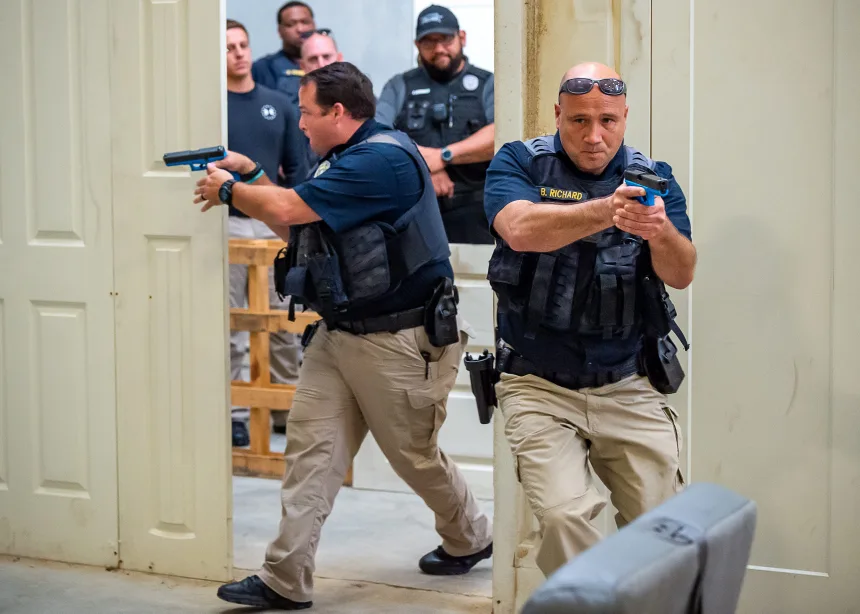
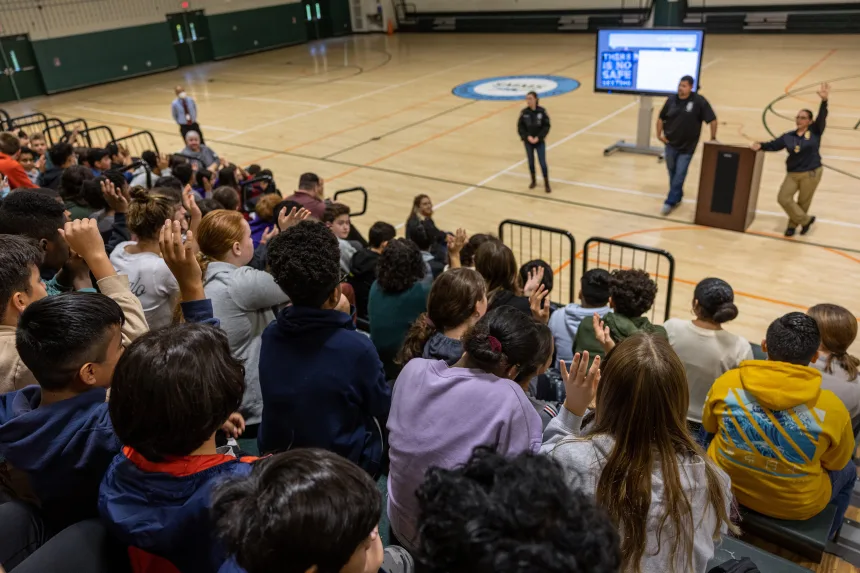
Law-enforcement agencies across the United States have invested heavily in active-shooter response training, preparing officers to enter buildings quickly and confront attackers.
Training has been credited with helping officers respond rapidly in several school shootings, demonstrating the importance of preparation and coordination between schools and law enforcement.
Experts argue that reducing response times can save lives, but they also emphasize that security measures should not focus exclusively on what happens after an attack begins.
Prevention versus “school hardening”
Some education and safety specialists favor a more preventative approach.
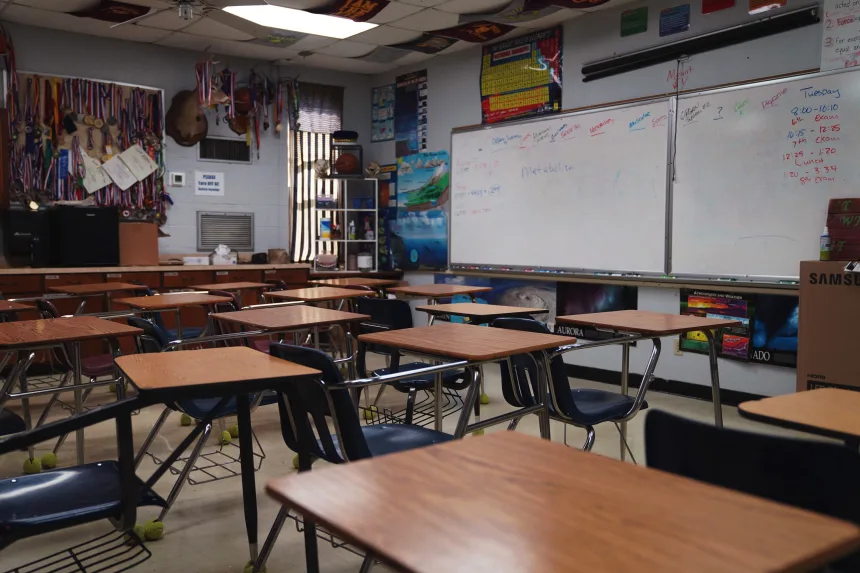
Threat assessment programs, student supervision, mental-health support, suicide prevention and stronger relationships between students and teachers can help identify problems before they escalate into violence.
Critics of excessive physical security also warn that turning schools into heavily fortified environments could affect students’ psychological sense of safety.
Experts say schools need to balance physical protection with mental health and prevention rather than relying on a single technological solution.
A growing security market
The debate is also becoming an economic one.
Billions of dollars are being directed toward school safety, creating a large market for companies offering surveillance systems, AI detection, drones and other security technologies.
Supporters argue that schools cannot put a price on protecting children and that new technologies could provide valuable additional protection.
Skeptics, however, say governments need stronger evidence before spending large amounts of public money on technologies whose effectiveness has not yet been independently established.
The emerging debate therefore goes beyond drones. It raises a broader question for American schools: Should safety spending prioritize technology designed to respond to attacks, or prevention programs aimed at stopping violence before it begins?
For now, drones are becoming another tool in the expanding US school-security arsenal, but experts agree that no single technology is likely to provide a complete solution to the country’s school-shooting crisis.