
Pakistan’s Foreign Office has rejected claims that Chief of Defence Forces and Chief of Army Staff Field Marshal Asim Munir visited Iran as an envoy of the United States, calling such reports “misleading and factually incorrect.”
Munir travelled to Tehran on August 24 alongside Interior Minister Mohsin Naqvi as part of Pakistan’s diplomatic efforts to help end the ongoing confrontation between the United States and Iran. According to the Foreign Office, the visit focused on regional de-escalation, breaking the military stalemate and exploring a negotiated settlement.
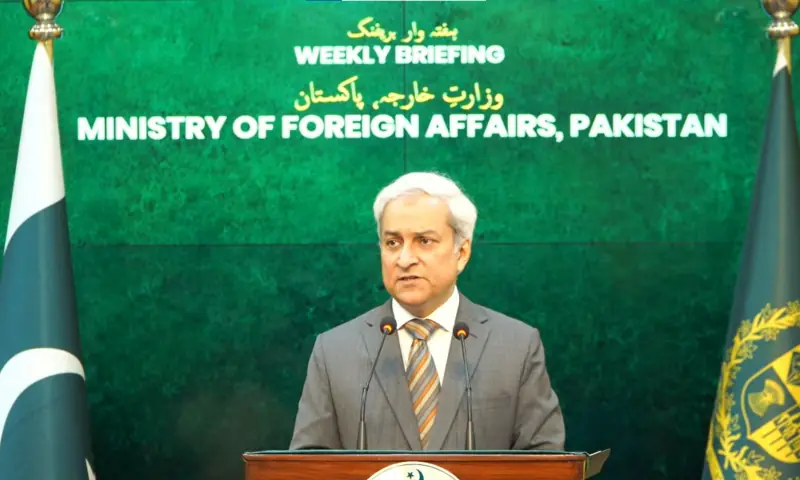
Foreign Office spokesperson Tahir Andrabi said the visit was undertaken purely in the context of Pakistan’s role as a mediator and was not conducted on behalf of Washington.
The Foreign Office said the visit demonstrated Pakistan’s “sincere and constructive role” in attempting to bridge differences between Washington and Tehran. Iranian officials, it added, had appreciated Islamabad’s efforts to promote de-escalation and a peaceful resolution.
Pakistan has remained active in diplomatic efforts surrounding the conflict, with Deputy Prime Minister and Foreign Minister Ishaq Dar also maintaining contact with regional counterparts. The diplomatic push comes after a Pakistan-mediated memorandum of understanding between Iran and the United States failed to deliver a lasting breakthrough.
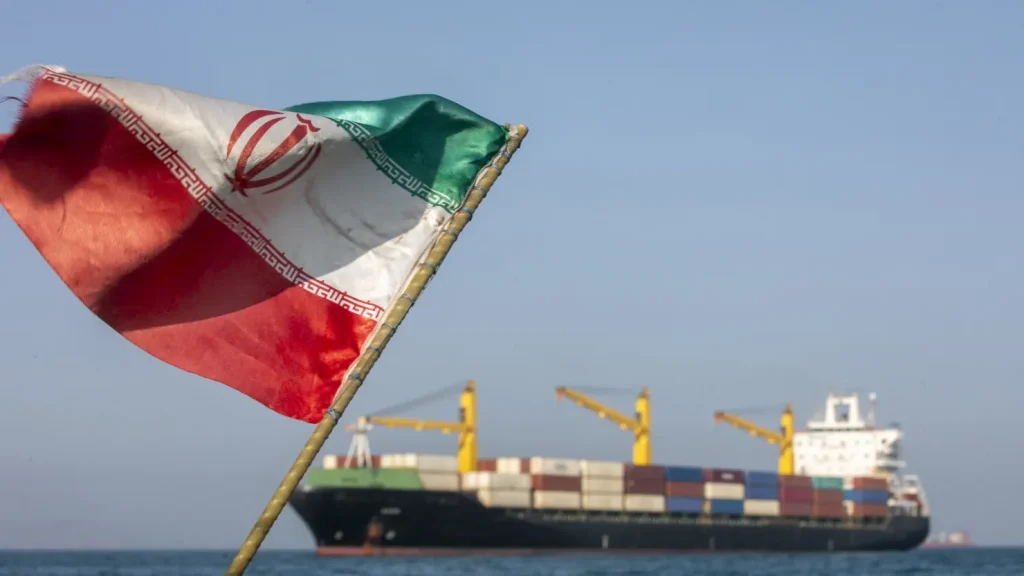
The Strait of Hormuz remains a major point of contention. Iran has linked the reopening of the strategic waterway to concessions from Washington, while recent diplomatic contacts have explored possibilities including a temporary shipping corridor and mine-clearance arrangements.
Pakistan Seeks Action From Kabul
The Foreign Office also addressed Pakistan’s relations with Afghanistan, saying Islamabad remains open to state-level dialogue but stressing that any security mechanism must produce “tangible actions” rather than assurances.
Andrabi said Afghan authorities must ensure that Afghan territory is not used for terrorism against Pakistan and fulfil their international commitments, including those under the Doha framework.
Islamabad has repeatedly accused militant groups, including the TTP and BLA, of using Afghan territory to plan or facilitate attacks against Pakistan. The Foreign Office said it was willing to pursue institutional coordination if it resulted in verifiable counterterrorism measures and more effective border management.
FO Rejects Indian Claims on 2025 Conflict
The Foreign Office also rejected claims by former Indian Chief of Defence Staff Anil Chaudhan concerning the May 2025 conflict between Pakistan and India.
Andrabi dismissed claims that an Indian Harop drone had accidentally struck Kirana Hills near Sargodha after running critically low on fuel. He maintained that Pakistan’s air defence network had prevented India from achieving its military objectives and that no strategic asset or sensitive infrastructure had been compromised.
He said the events of the conflict should be assessed through facts and evidence rather than retrospective narratives.
Makkah Defence Pact Remains Open to New Members
On Bangladesh’s reported interest in joining the Makkah Joint Defence Agreement, the Foreign Office described the arrangement as an evolving security architecture that remains open to countries sharing its collective security commitments.
The agreement, signed by Pakistan, Saudi Arabia and Turkiye on August 7, is intended to strengthen collective deterrence and regional security. The pact treats an attack against one signatory as an attack against all.
The Foreign Office said any formal request from another country would be considered in consultation with Riyadh and Ankara, while stressing that the agreement’s operationalisation remains at an early stage.
Pakistan’s latest diplomatic messaging highlights Islamabad’s effort to position itself as an active regional mediator while simultaneously pressing Afghanistan for concrete counterterrorism action and strengthening wider regional security partnerships.