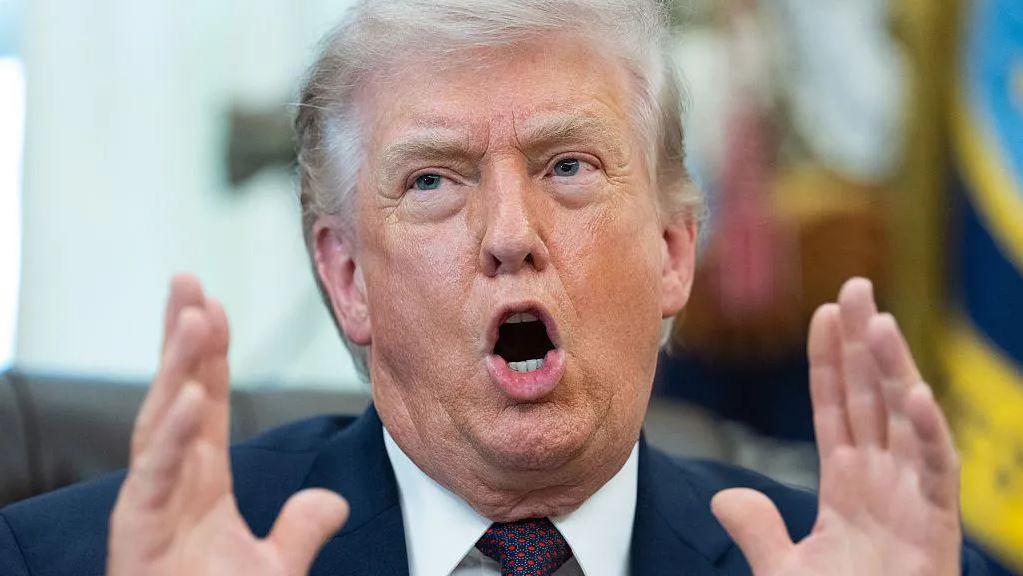

WASHINGTON: Millions of people around the world are expected to watch Donald Trump as he delivers a major televised speech about the ongoing war involving Iran.
The address comes at a critical moment, with many hoping it will provide clarity on how the conflict might end. However, there is also concern that it could signal further escalation instead of peace.
🎤 Why This Speech Matters
The speech has been arranged quickly, and officials say there may not be any major announcement. Still, it is seen as important because:
- The war has entered a sensitive phase
- Pressure is growing inside the United States
- Global attention is focused on what happens next
Trump is known for keeping his decisions unpredictable, often changing direction or keeping plans secret. This uncertainty has left both allies and rivals unsure about his next move.
📊 Public Pressure in the US
Recent opinion polls show that many Americans do not support a long war in Iran.
- A Reuters poll found two-thirds of Americans want the conflict to end quickly
- There is strong opposition to sending US ground troops into Iran
Rising fuel prices are also adding to public concern. Petrol prices have crossed $4 per gallon, increasing the cost of living for many families.
💸 Economic Impact at Home


Before the war, Trump often highlighted low fuel prices as a success. Now, rising costs are becoming a political challenge, especially with upcoming elections.
Experts like Imran Bayoumi warn that both the war and economic pressure could affect political support if the conflict continues for too long.
🔄 Changing Strategy on the War
Trump’s position on how the war should end has shifted several times:
- Initially demanded unconditional surrender from Iran
- Later suggested a negotiated agreement
- Recently claimed the war could end in 2–3 weeks
- Now says a ceasefire will only be considered if key conditions are met
This changing approach adds to the uncertainty about the future of the conflict.
⚔️ Military Situation
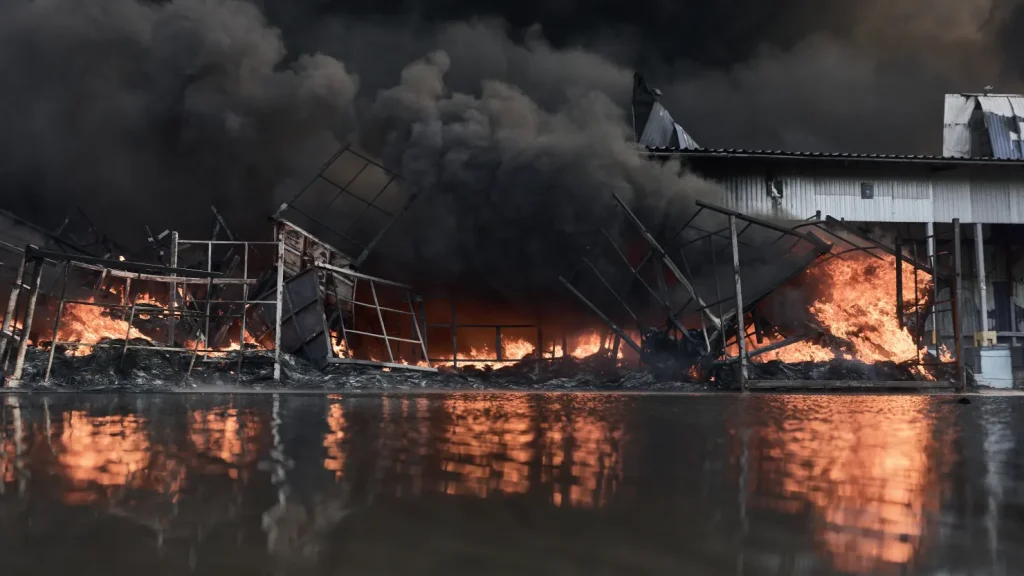
The US and Israel have already:
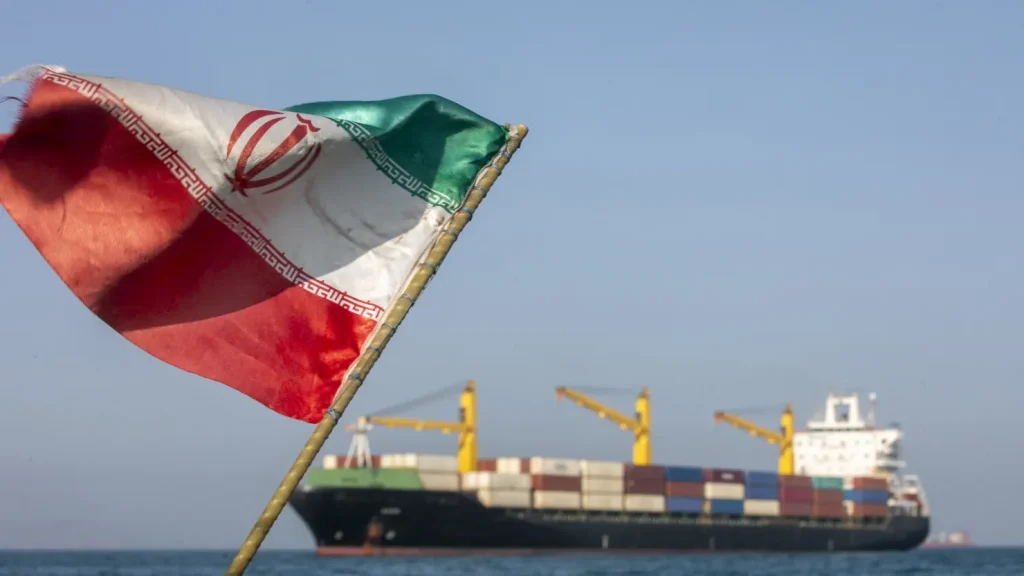
- Damaged Iran’s navy
- Reduced its missile capabilities
- Targeted nuclear facilities
However, experts say these actions do not necessarily mean the war is close to ending.
🌍 Global Reactions and Concerns
Allies and opponents are closely watching Trump’s speech to understand US intentions. Some believe his statements could be strategic, designed to pressure Iran rather than reveal actual plans.
In Tehran, leaders remain cautious, especially after previous situations where diplomatic signals were followed by military action.
❓ What Happens Next?
It is still unclear what a US “victory” in the war would look like. Analysts say the lack of clearly defined goals gives Trump flexibility — he could declare success at almost any time.
However, this also creates uncertainty about:
- Whether the conflict will truly end soon
- If more military action is planned
- How stable the region will be in the future
🧭 Conclusion
Trump’s upcoming speech is expected to shape the next phase of the Iran war. Whether it leads to peace talks or further escalation remains uncertain.
For now, the world watches closely, as the decisions made in Washington could have major consequences not just for the Middle East, but for global stability and economies.