
Budapest: U.S. VP Vance Visits Hungary Ahead of Crucial Election
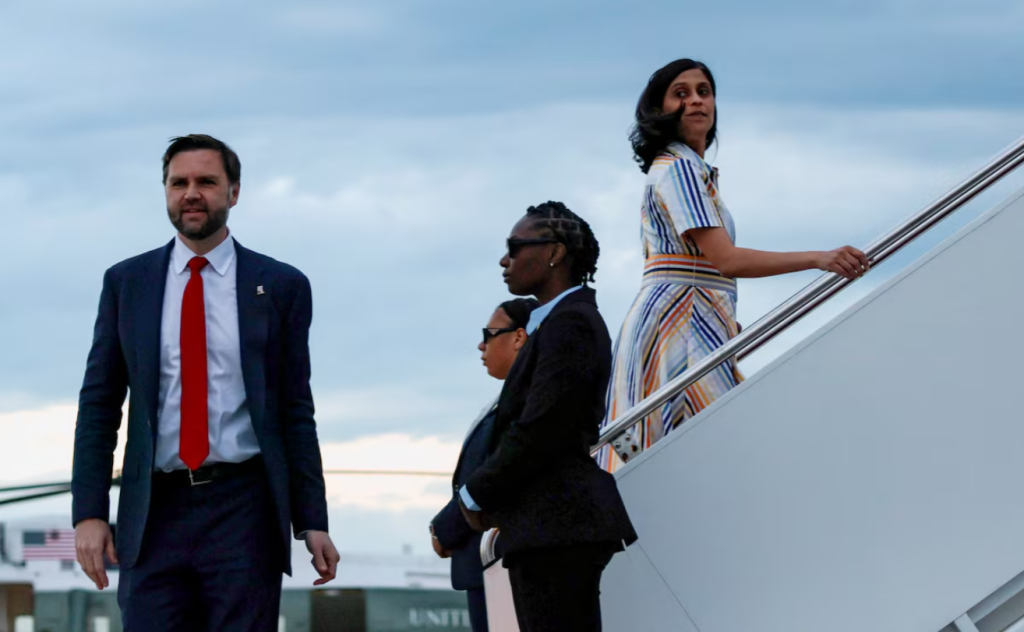
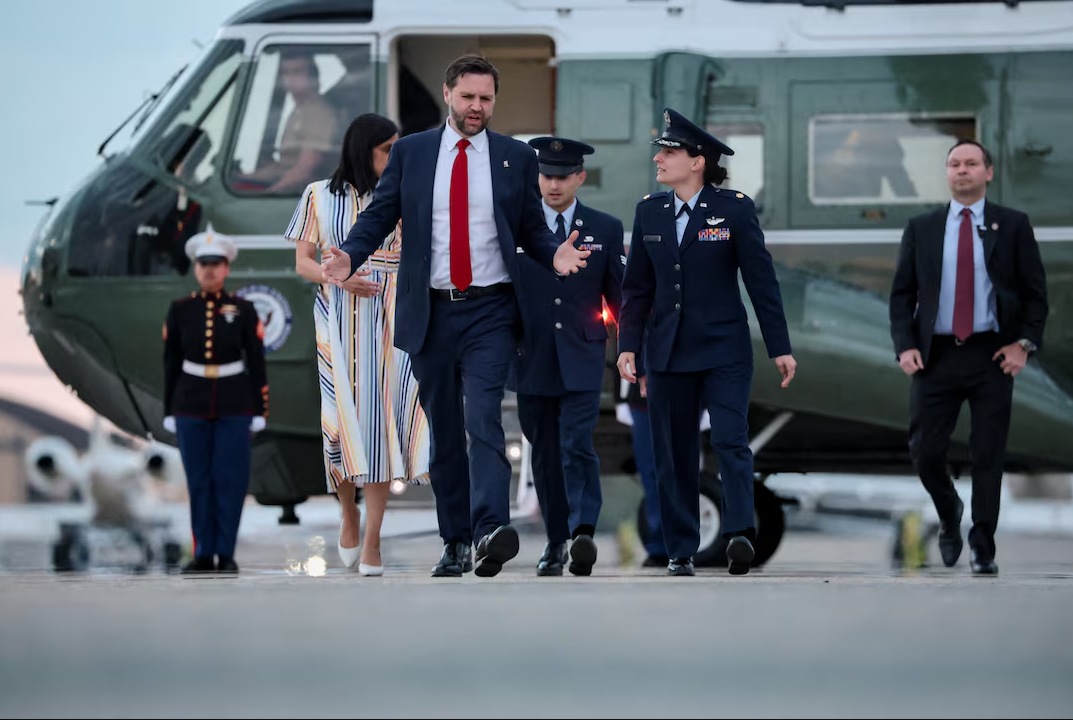
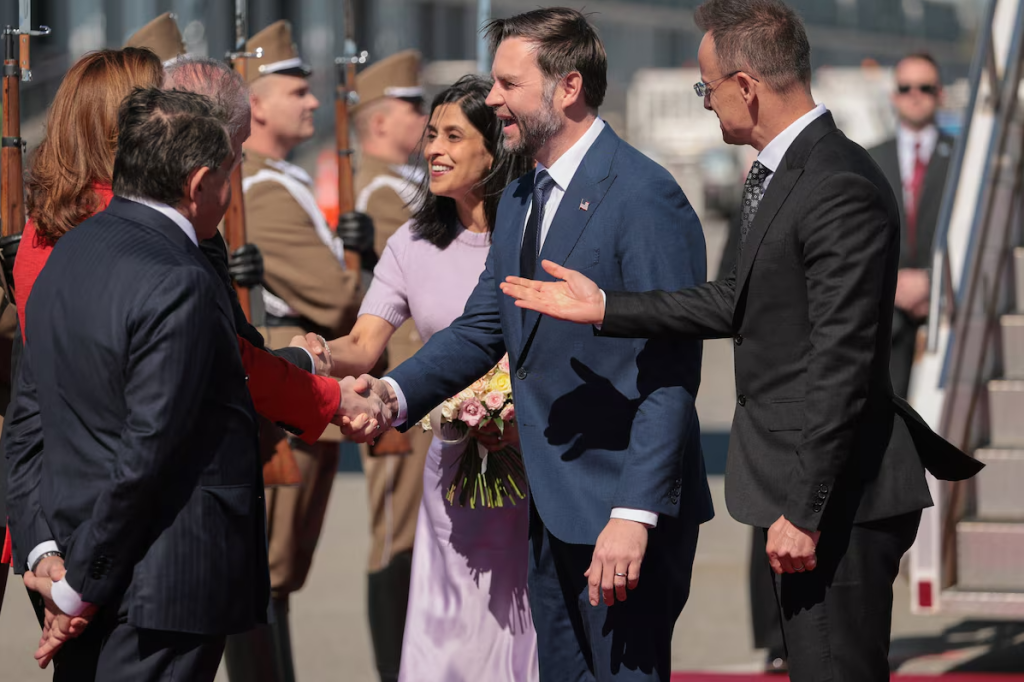
U.S. Vice President JD Vance traveled to Hungary on Tuesday to meet Prime Minister Viktor Orban and attend a campaign rally, in a rare show of direct support from a senior U.S. official ahead of Hungary’s parliamentary election on April 12.
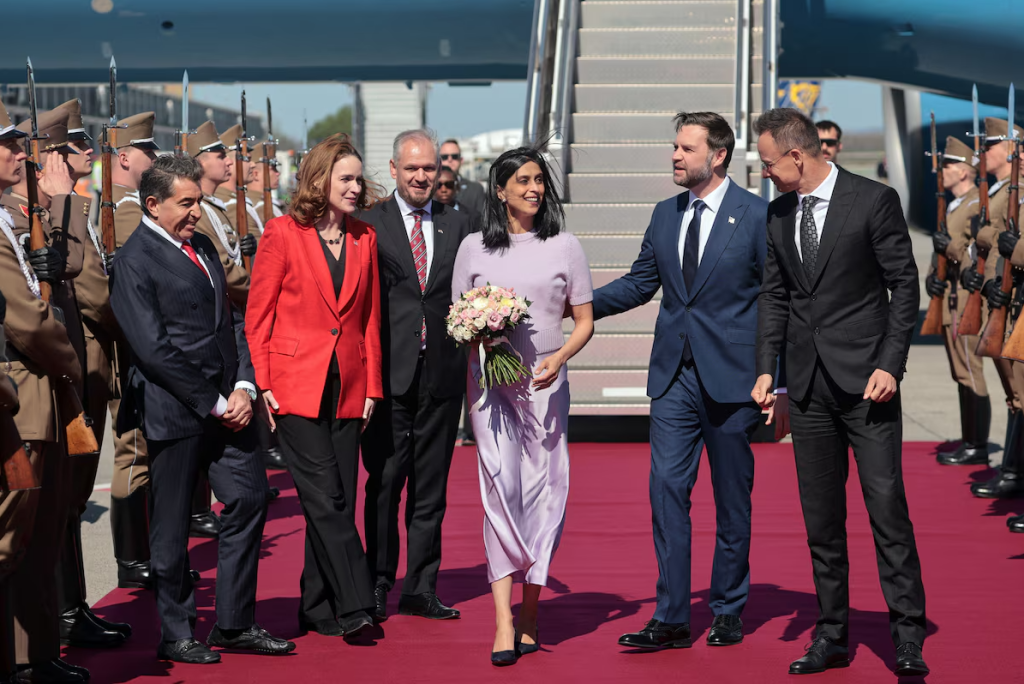
During the two-day visit, Vance is expected to discuss bilateral relations, European policy, and Ukraine, according to Hungarian government sources. Speaking before departure, he described Orban as a “good friend” and emphasized discussions on matters of mutual interest.
The visit underscores former President Donald Trump’s continued efforts to bolster like-minded right-wing leaders globally. Orban, a self-described nationalist, has championed policies mirroring Trump-era priorities, including strict anti-immigration measures, skepticism toward global institutions, and criticism of liberal norms. He was the first European leader to publicly endorse Trump during the 2016 U.S. presidential campaign.
Opinion polls show Orban’s Fidesz party trailing the center-right Tisza party, led by Peter Magyar, making this the most challenging election of his tenure since returning to power in 2010. Magyar, in a social media post, warned against foreign interference, stating, “Hungarian history is not written in Washington, Moscow, or Brussels—it is written in Hungary’s streets and squares.”
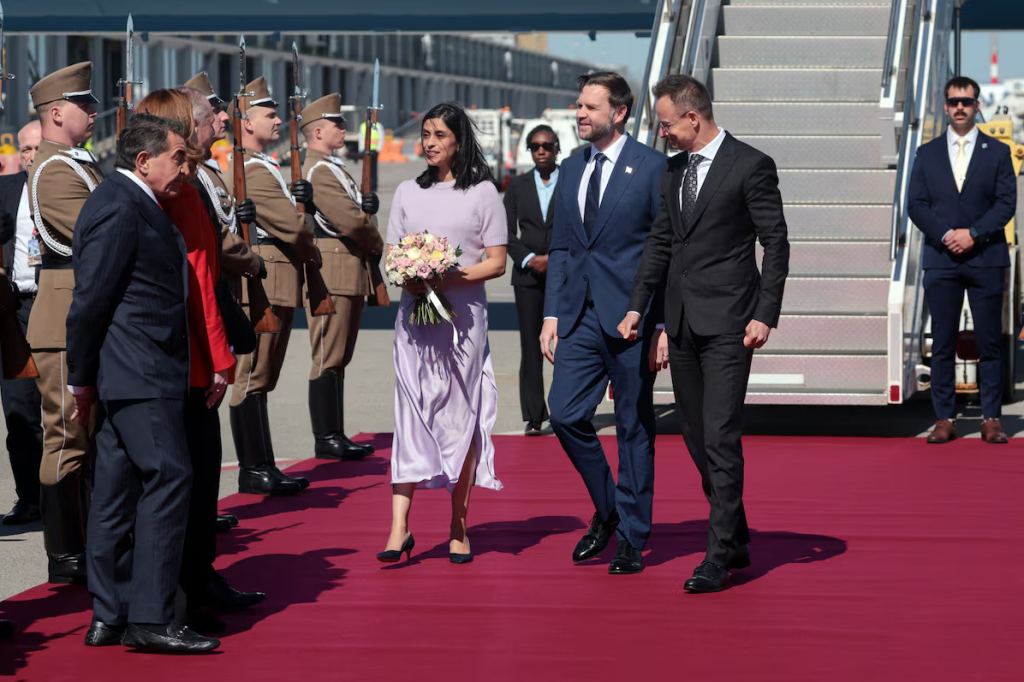
Analysts note that Vance’s visit is a political gesture rather than routine diplomacy. Asli Aydintasbas, visiting fellow at the Brookings Institution, described the trip as a “clear endorsement” of Orban, highlighting his role in a broader effort to establish an “illiberal bloc” in Europe.
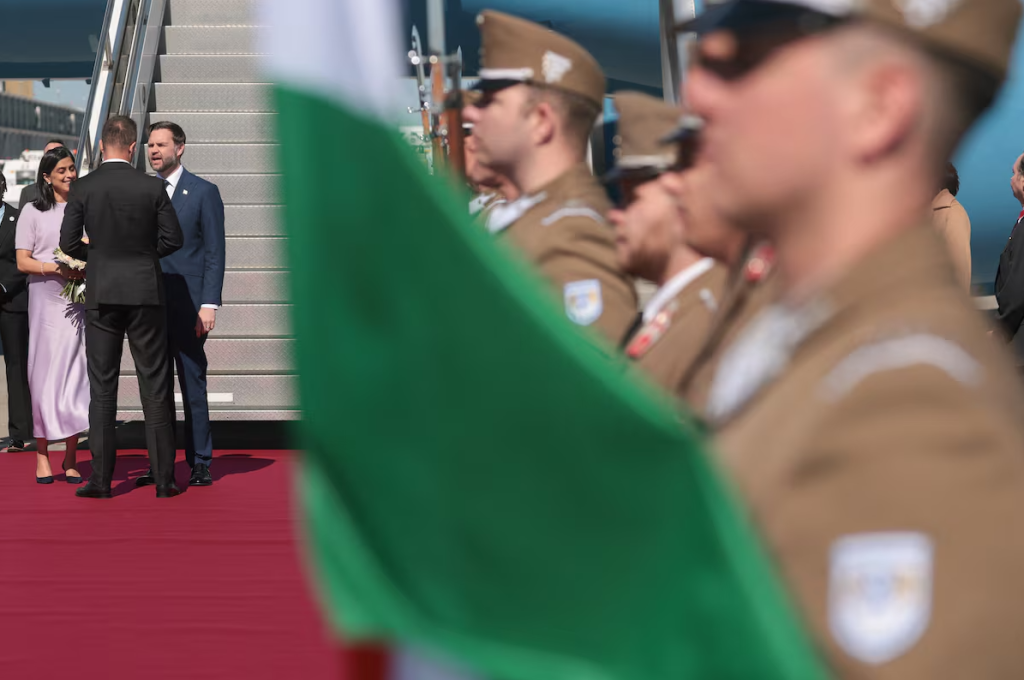
Orban’s government has long been at odds with the European Union over multiple issues, including Ukraine, while maintaining relatively cordial relations with Moscow. The Trump administration has previously signaled that U.S.-Hungary relations would remain strong if Orban remains in power.
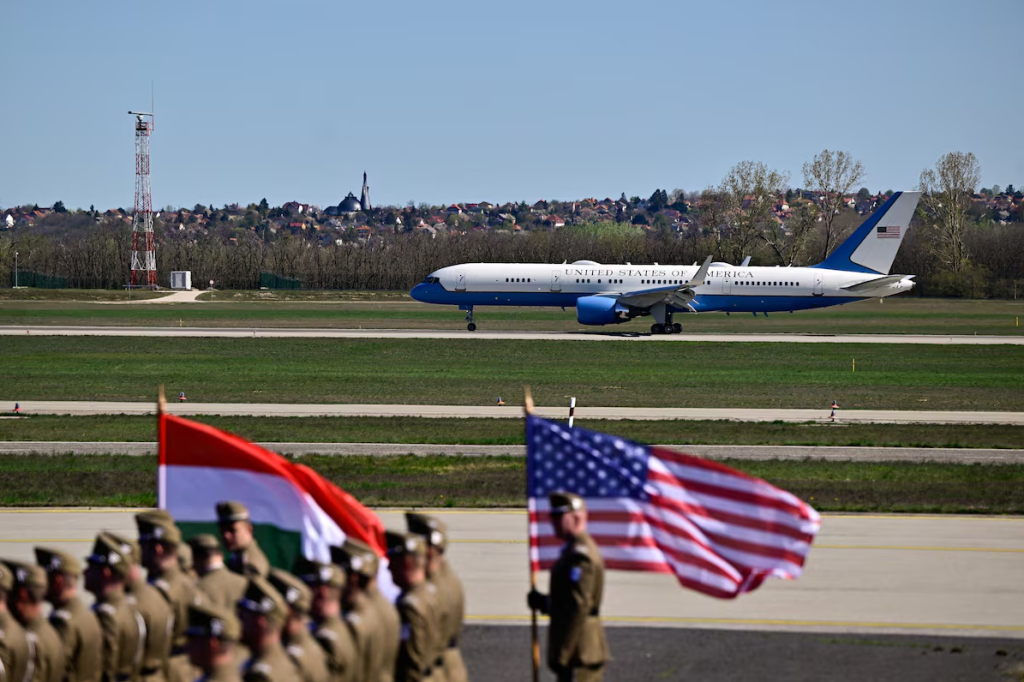
Despite this support, analysts caution that domestic economic concerns, including the cost of living, may have a stronger influence on voter behavior than foreign endorsements. Historian Stephen Wertheim noted that Vance’s visit could either bolster or hinder Orban’s electoral prospects, given the broader perception of U.S. foreign policy in Europe and ongoing tensions in the Middle East.
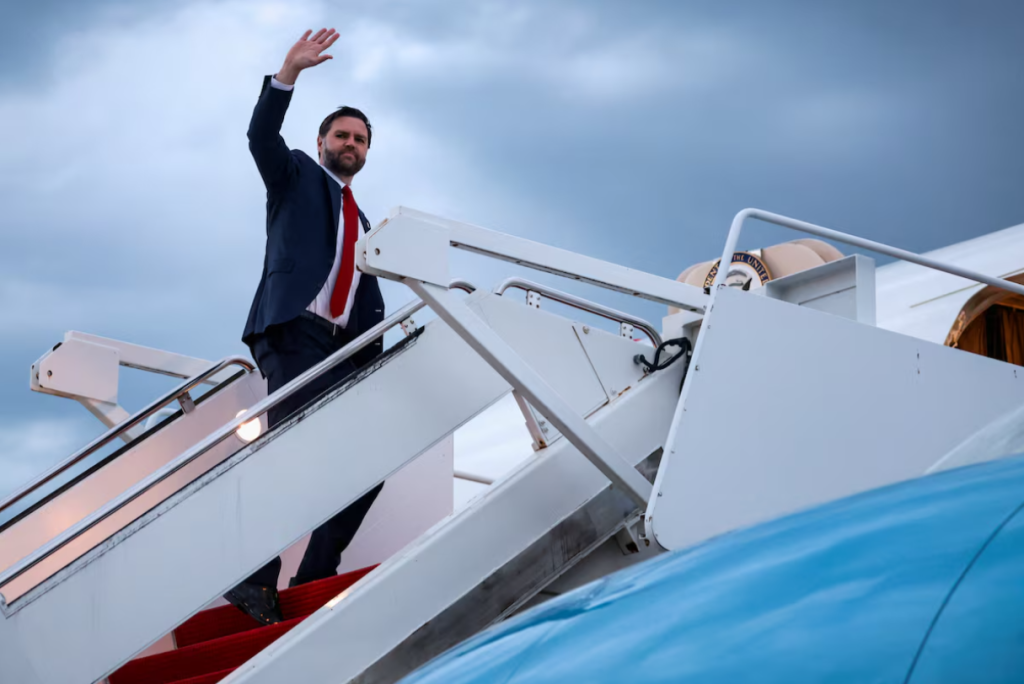
The visit briefly removes Vance from Washington, where the administration is navigating the sixth week of a conflict in Iran, which has affected global energy prices and U.S. domestic politics.