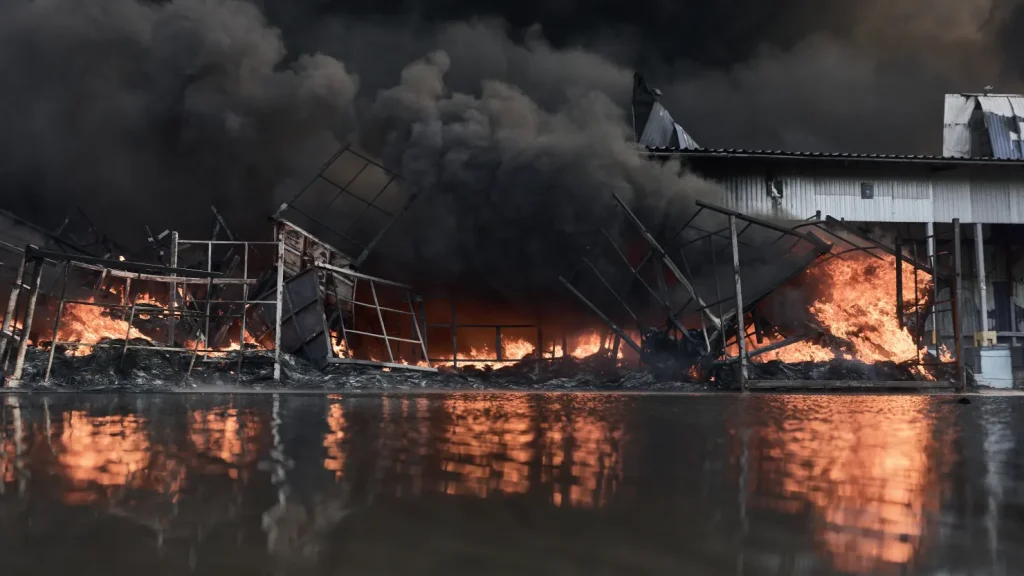
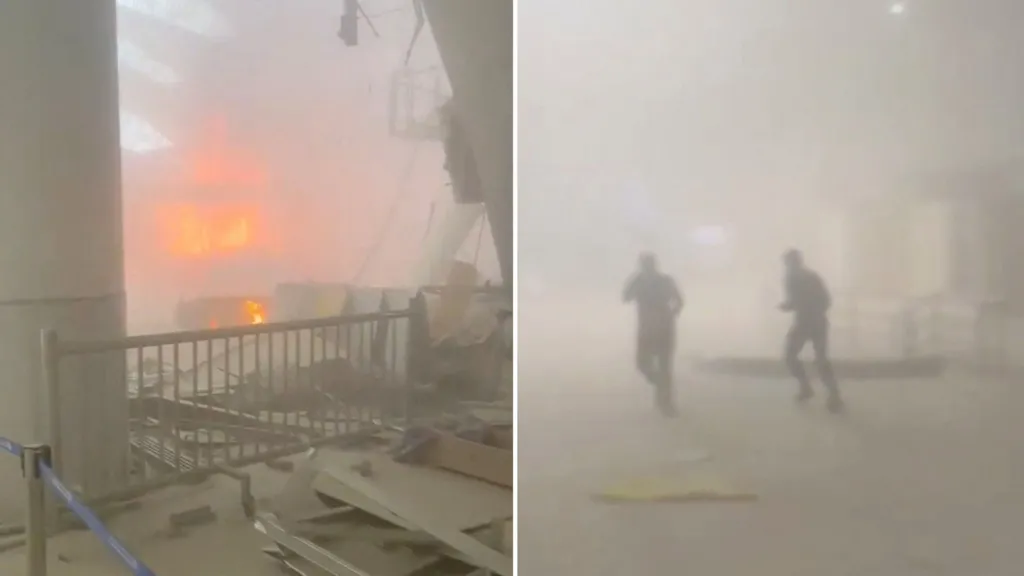

KUWAIT CITY — At least one person was killed and more than 60 others were injured after Iranian drone strikes hit Kuwait International Airport on Wednesday, according to Kuwaiti officials.
Kuwait’s Defence Ministry condemned the attack, describing it as “criminal Iranian aggression,” while the Foreign Ministry reported damage to diplomatic facilities during the strikes.
Iran’s Islamic Revolutionary Guard Corps (IRGC) claimed responsibility for the attack, stating that it was carried out in retaliation for recent U.S. military actions, including strikes on an Iranian oil tanker and facilities on Qeshm Island. Tehran also said the operation targeted U.S. military assets in the Gulf region.
The victim killed in the airport attack was later identified as an Indian national. India’s Foreign Ministry strongly condemned the strike and confirmed that several other Indian citizens were among those injured.
“We again call upon parties to cease such attacks,” the ministry said in a statement.
Following the incident, Kuwait ordered two Iranian diplomats to leave the country within 24 hours and summoned Iran’s chargé d’affaires to formally protest the attack.
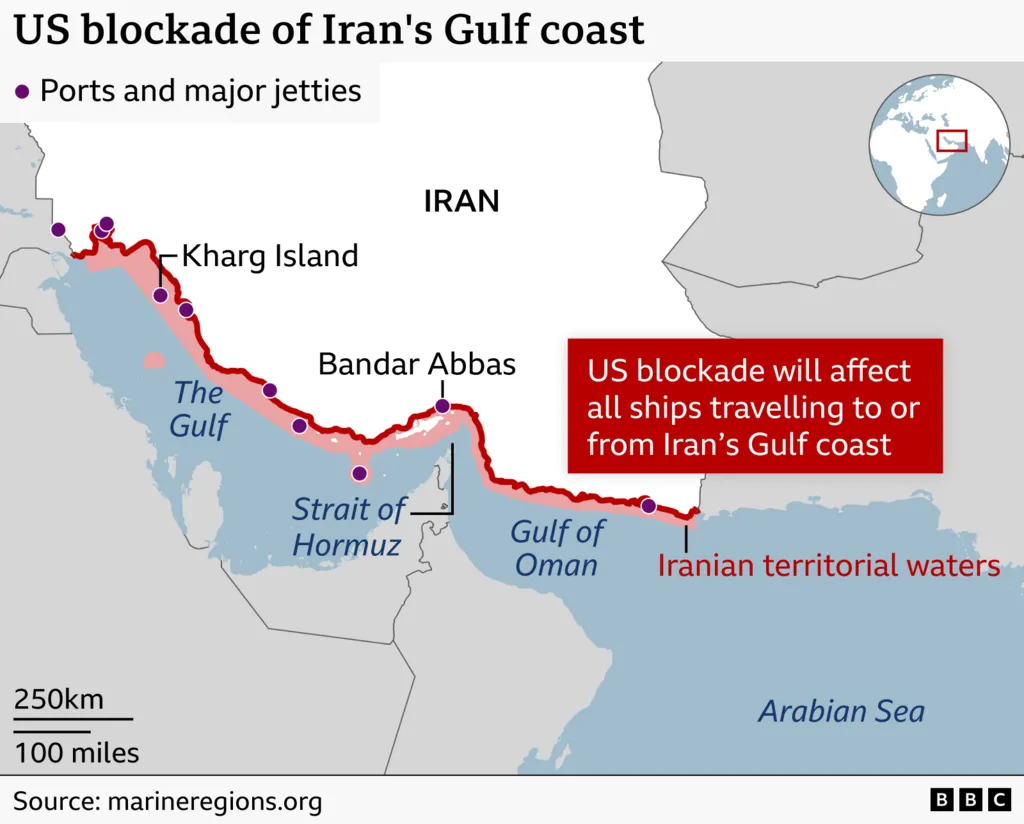
The escalation follows overnight U.S. military operations on Qeshm Island in the Strait of Hormuz. U.S. Central Command (CENTCOM) said the strikes targeted an Iranian military ground-control station and were conducted in response to attempted attacks by Iran across the Middle East.
CENTCOM also reported intercepting multiple Iranian drones and missiles aimed at Kuwait and Bahrain. According to the U.S. military, all incoming missiles either broke apart or were successfully intercepted.
Iran, meanwhile, said it launched missiles and drones against U.S. military positions in retaliation for what it described as American aggression in the region.
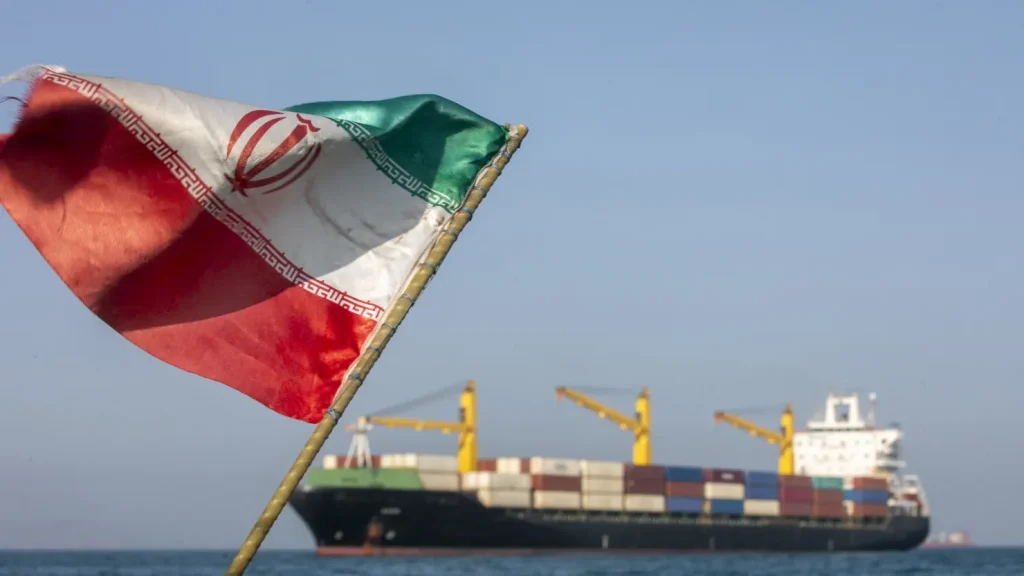
The confrontation intensified after U.S. forces struck an oil tanker reportedly heading toward Iran. According to CENTCOM, the vessel ignored repeated warnings and was disabled by a Hellfire missile targeting its engine room as part of ongoing U.S. enforcement operations in the Strait of Hormuz.
In response, the IRGC warned that any disruption to the security of the strategic waterway would come at a heavy cost.
The latest developments threaten fragile ceasefire efforts between Washington and Tehran. Negotiations aimed at ending hostilities have stalled in recent days, with disagreements reportedly centered on the future of the Strait of Hormuz, sanctions relief, and Iran’s nuclear program.
U.S. President Donald Trump said this week that Iran remains interested in reaching an agreement, while Iranian officials accused Washington of repeatedly changing its demands during negotiations.
The renewed violence has raised concerns across the Gulf region, where several countries host American military bases and remain vulnerable to broader regional instability.