
BEIRUT: Clashes continued in southern Lebanon despite Israel and Hezbollah accepting a US-backed partial ceasefire plan aimed at reducing tensions in the region.
US President Donald Trump said both sides had agreed to stop attacks after holding separate discussions with Israeli and Hezbollah representatives. The agreement followed concerns that continued fighting in Lebanon could undermine the wider ceasefire efforts involving Iran.
Lebanon confirmed that Hezbollah had accepted the proposal, which includes halting attacks on Israel in exchange for Israel refraining from launching strikes on Beirut. Israeli Prime Minister Benjamin Netanyahu also confirmed the agreement but stated that Israel would continue military operations in southern Lebanon and would respond if attacks on Israeli cities continued.
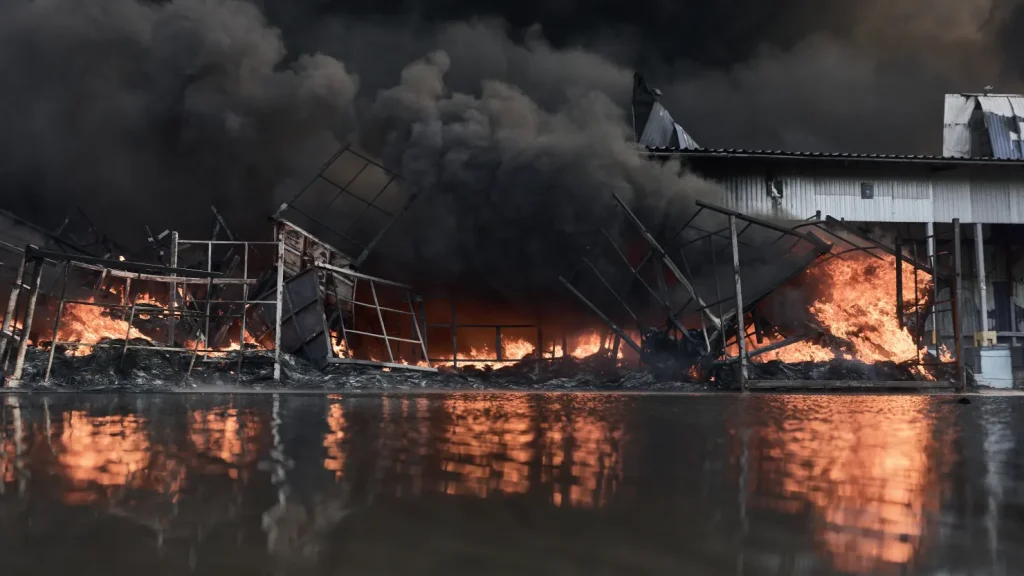
Despite the announcement, violence persisted overnight. Hezbollah claimed responsibility for missile and artillery attacks targeting Israeli tanks in southern Lebanese towns. The Israeli military reported intercepting two projectiles launched from Lebanon and said no casualties were recorded.
Lebanon’s state news agency also reported Israeli strikes in several southern areas and described a powerful explosion caused by large-scale demolitions in the town of Debbine.
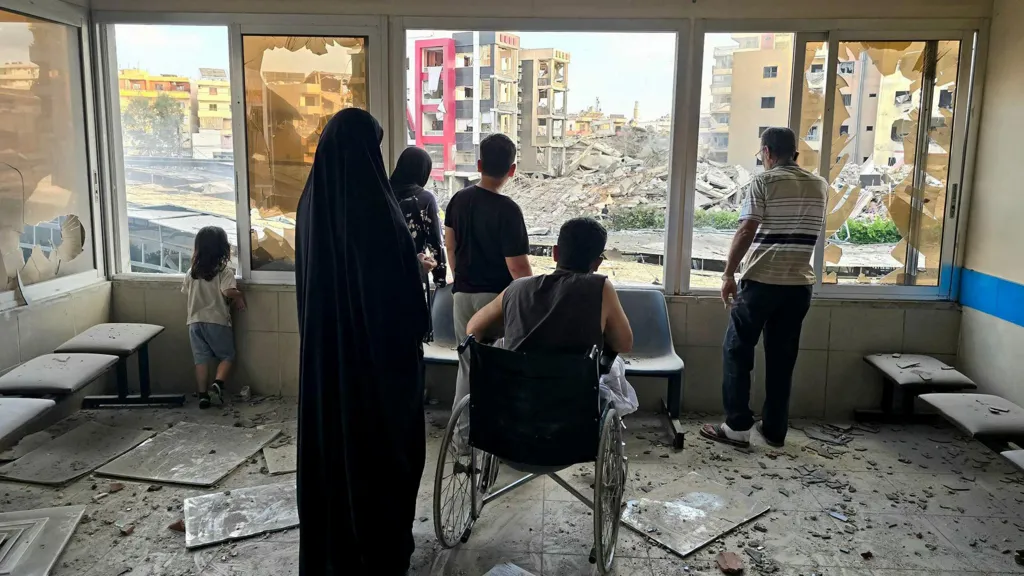
Tensions escalated earlier when Israel carried out strikes on targets in Beirut’s southern suburbs following rocket and drone attacks allegedly launched by Hezbollah. Iranian officials warned that continued Israeli military action in Lebanon could threaten the broader ceasefire framework in the region.
President Trump later stated that both sides had agreed to stop shooting and expressed optimism that diplomatic efforts would help prevent further escalation.
The conflict has resulted in significant casualties on both sides. Lebanese authorities say thousands have been killed since the fighting intensified, while Israel reports military and civilian casualties from cross-border attacks.