
Nature is capable of inflicting pain in some of the most inventive ways, and few experiences rival the world’s most painful stings. From giant ants and wasps to tiny but lethal jellyfish, researchers and thrill-seekers have made it their mission to map the ultimate pain map of the animal kingdom.
Pain by the Numbers: Justin Schmidt’s Sting Index
Entomologist Justin Schmidt pioneered the study of sting pain, deliberately getting stung by over 96 insect species and creating the Schmidt Sting Pain Index. He ranked stings from level 1 (“almost pleasant”) to level 4, reserved for the absolute worst:
- Bullet Ant (Paraponera clavata): “Pure, intense, brilliant pain. Like walking through charcoal with a three-inch nail embedded in your heel.”
- Tarantula Hawk Wasp: “Blinding, fierce, shockingly electric. A running hair dryer has been dropped into your bubble bath.”
- Warrior Wasp (Synoeca septentrionalis): “Torture. You are chained in the flow of an active volcano.”
Schmidt’s poetic descriptions turned science into storytelling, helping us understand just how severe these stings can be.
Coyote Peterson’s Modern Adventures
YouTube adventurer Coyote Peterson has carried the baton, testing stings Schmidt never ranked. Peterson’s top contenders include:
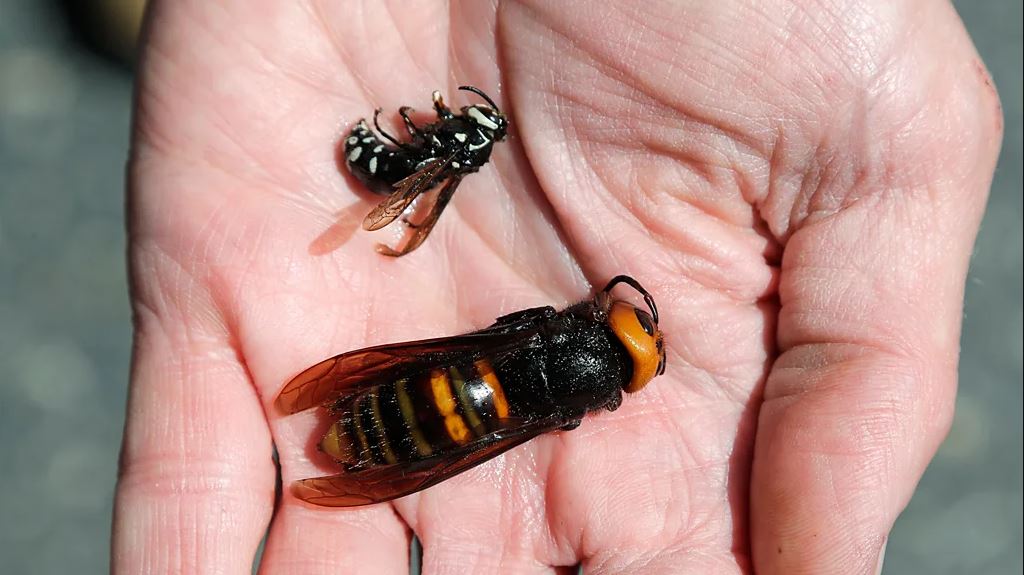
- Japanese Giant Hornet: “Like getting hit in the face by Mike Tyson. Instantaneous, explosive pain.”
- Executioner Wasp (Polistes carnifex): Peterson calls it the worst: pain lasting 12 hours, with venom that causes tissue damage and lingering effects.
Jellyfish Pain: Irukandji Syndrome
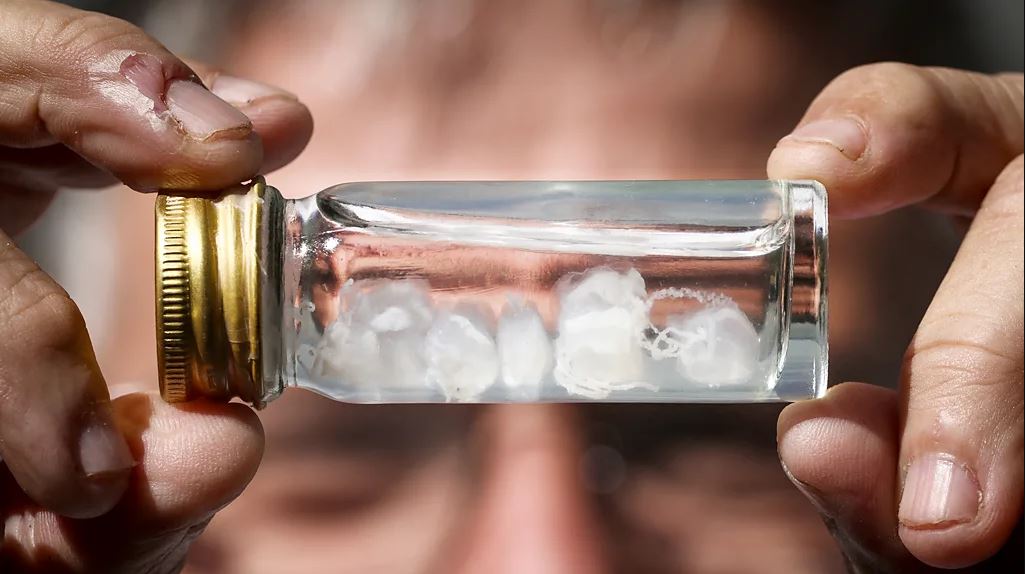
Pain isn’t exclusive to insects. The Irukandji jellyfish, tiny but deadly, can trigger Irukandji syndrome, one of the most extreme human experiences of pain. Initial stings are barely noticeable, but within 20 minutes, victims may feel:
- Jackhammer-like kidney pain lasting up to 12 hours
- Profuse sweating and relentless vomiting
- Full-body cramps, spasms, and waves of agony
- An overwhelming sense of impending death
Researchers attribute this to toxins called porins in the venom, which disrupt cell membranes and trigger a flood of neurotransmitters like adrenaline, norepinephrine, and dopamine. Treatment is primarily pain management with strong opioids, though most patients fully recover.
The Nature of Pain
Whether it’s Schmidt’s bullet ants, Peterson’s executioner wasps, or the tiny Irukandji jellyfish, these stings reveal that nature’s defenses are as creative as they are brutal. From excruciating physical pain to existential terror, surviving one of these stings is a test of endurance, physiology, and human resilience.