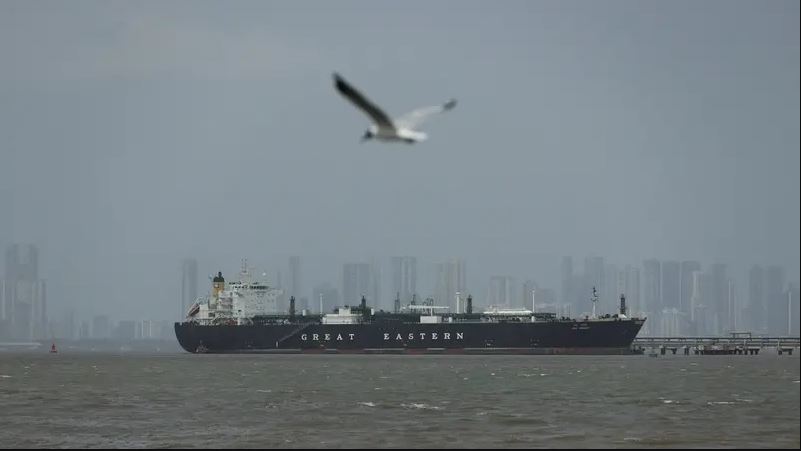

Doha / Abu Dhabi: Two Qatar liquefied natural gas (LNG) carriers have reportedly aborted their attempt to exit the Strait of Hormuz, instead heading back toward Qatar’s Ras Laffan port, according to ship-tracking data.
The Al Daayen reversed course late Monday, while the Rasheeda signaled it was awaiting instructions in the same direction. Both vessels had initially signaled destinations in Pakistan or China.
Background
Since the US and Israeli strikes on Iran in late February, no LNG cargo has passed through the Strait of Hormuz, a critical chokepoint for global energy trade. Prior to the conflict, approximately 20% of global LNG, mainly from Qatar and smaller volumes from the UAE, transited this route.
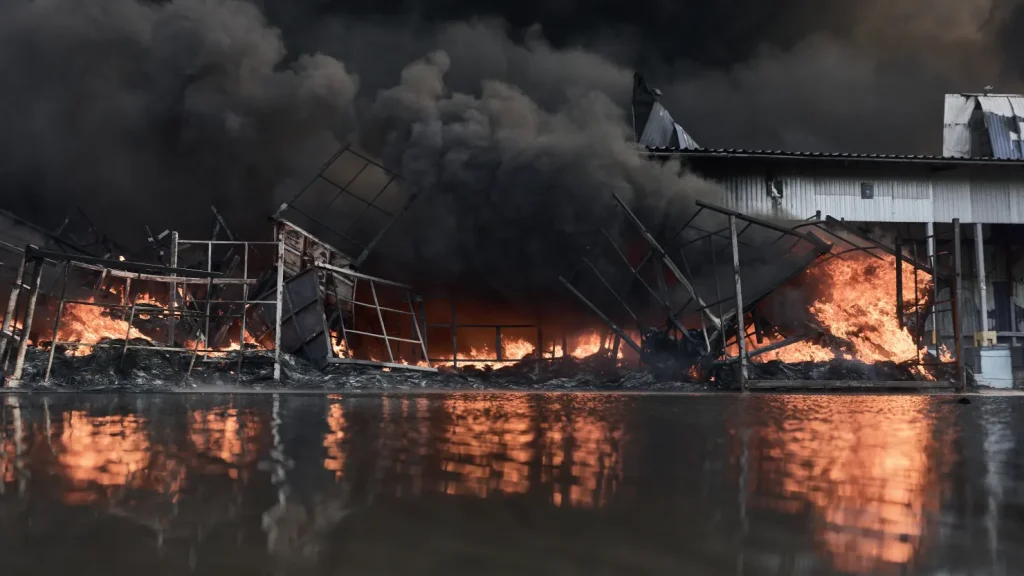
The Ras Laffan export plant, the world’s largest LNG facility operated by QatarEnergy, has been shut for over a month due to Iranian attacks, further complicating exports. Transit through Hormuz would allow Qatar to move loaded cargoes waiting in the Arabian Gulf or offload fuel from storage.
Vessel Movements
Tracking data shows that both tankers had loaded their cargoes in late February and attempted to leave the Gulf on Monday. The Al Daayen initially signaled a China-bound course but made a U-turn near the strait, while the Rasheeda lingered off Abu Dhabi before switching to a Pakistan-bound route.
Shipping experts caution that vessel tracking in the Arabian Gulf is inexact, due to potential electronic interference or intentional transponder shutdowns in risky zones.
- Al Daayen is managed by Seapeak.
- Rasheeda is owned by Nakilat.
Neither company nor QatarEnergy responded immediately to requests for comment.
Regional Implications
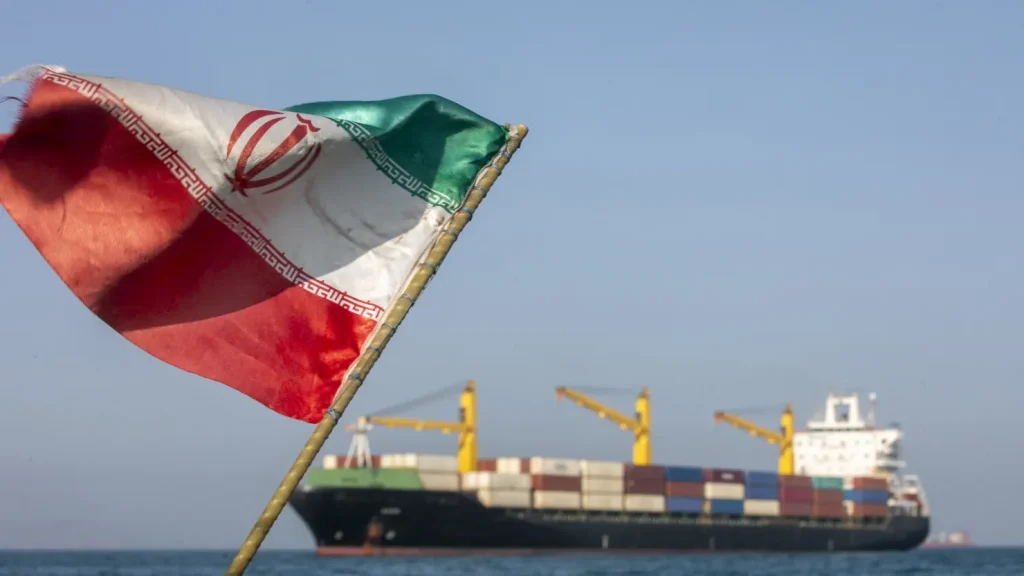
Iran continues to restrict transit through the Strait of Hormuz, allowing passage primarily for its own or approved vessels. No Qatar-linked energy ships are known to have successfully traversed the strait since the escalation. Recent exceptions have been made for vessels from countries seen as close to the US, including France and Japan.
The aborted LNG shipments underscore the ongoing disruption to global energy markets, particularly for Asian economies dependent on Gulf imports.