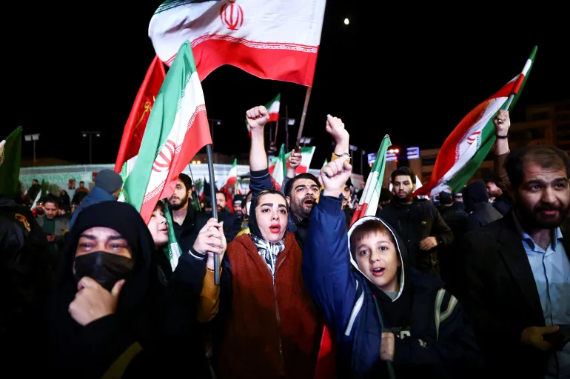

Iran and the United States have agreed to a two-week ceasefire, paving the way for high-level negotiations scheduled to begin in Islamabad on Friday.
The development was confirmed by Iran’s National Security Council, which stated that talks would proceed based on Tehran’s proposed 10-point framework. The announcement follows a decision by U.S. President Donald Trump to suspend planned strikes on Iran for two weeks.
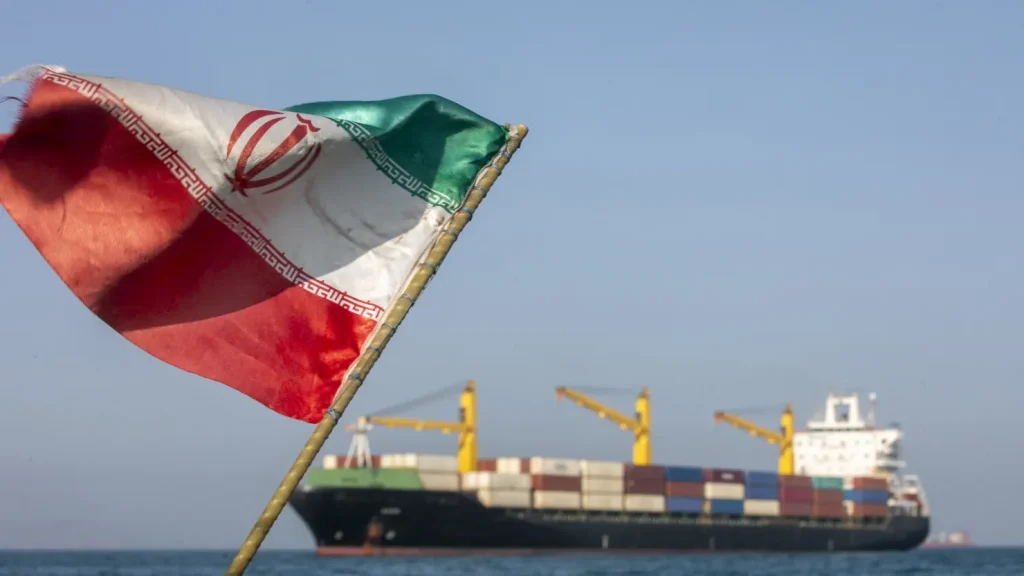
The ceasefire agreement is reportedly linked to Iran allowing the reopening of the Strait of Hormuz, a vital global energy corridor through which nearly 20% of the world’s oil supply passes.
Diplomatic Breakthrough
Iran’s Foreign Minister Abbas Araghchi confirmed Tehran’s position, stating that Iran would halt defensive operations if attacks against it ceased. He added that safe maritime passage through the Strait would be coordinated with Iranian armed forces.
Prime Minister Shehbaz Sharif welcomed the development, announcing an “immediate ceasefire” and formally inviting both sides to Islamabad for negotiations aimed at reaching a comprehensive agreement.
Key Proposals on the Table
According to Iranian officials, the proposed framework includes demands for oversight of the Strait of Hormuz, withdrawal of U.S. forces from regional bases, compensation for war damages, lifting of sanctions, and the release of frozen Iranian assets.
The proposal also calls for any final agreement to be ratified through the United Nations Security Council, making it legally binding at the international level.
Regional and Global Implications
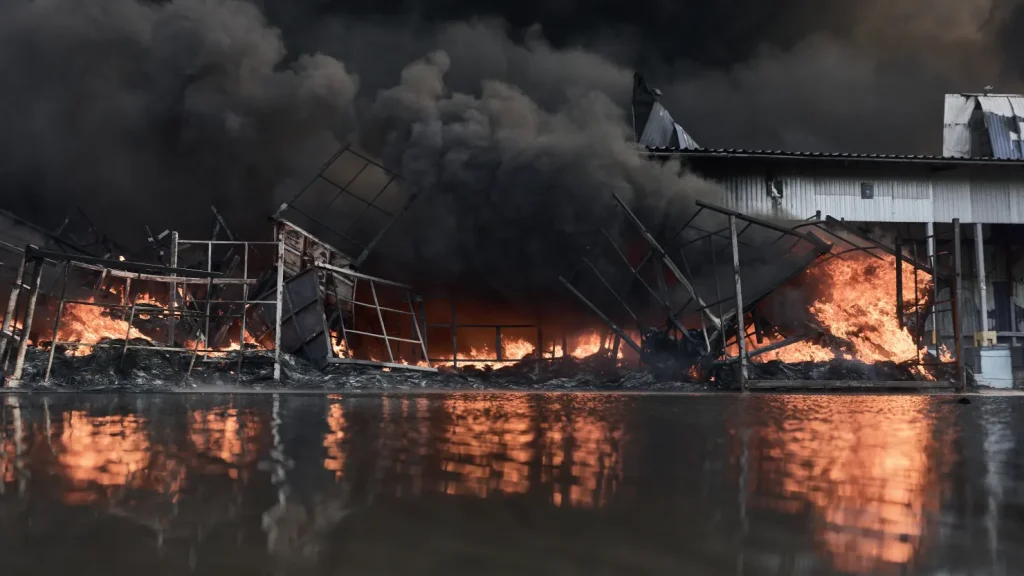
The conflict, which has expanded to involve groups such as Hezbollah and Yemen’s Houthis, has significantly disrupted global energy markets and heightened geopolitical tensions.
While the ceasefire marks a potential turning point, Iranian officials have emphasized their continued distrust of Washington, warning they are prepared to respond forcefully to any violations.
Meanwhile, Israel has expressed support for the U.S. decision but indicated that the truce does not extend to its ongoing operations in Lebanon.
As negotiations approach, global attention is firmly fixed on Islamabad, where the outcome could shape the future of regional stability and international security.