
Washington / Tehran – April 2026: A fragile ceasefire agreement between the United States and Iran has provided a temporary pause in escalating hostilities, offering a critical diplomatic off-ramp for Donald Trump — but raising serious questions about long-term consequences for global stability and U.S. credibility.
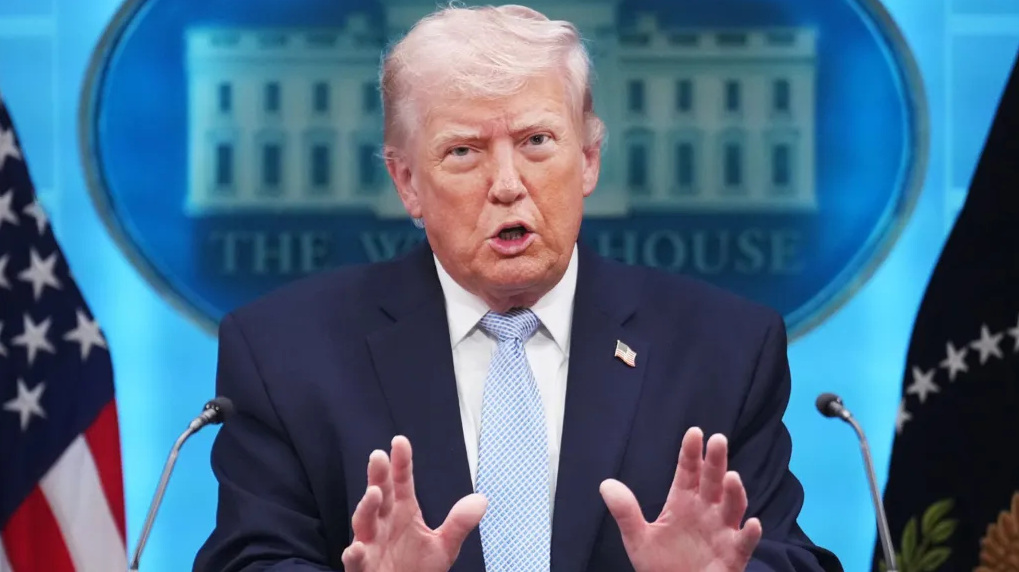
The announcement came just hours before a self-imposed deadline set by President Trump, who had warned of massive military strikes on Iranian infrastructure, including energy and transport networks, if no agreement was reached. Posting on social media at 18:32 Washington time, Trump stated that both sides were “very far along” toward a “definitive” peace agreement and confirmed a two-week ceasefire to allow negotiations to proceed.
Last-Minute De-escalation
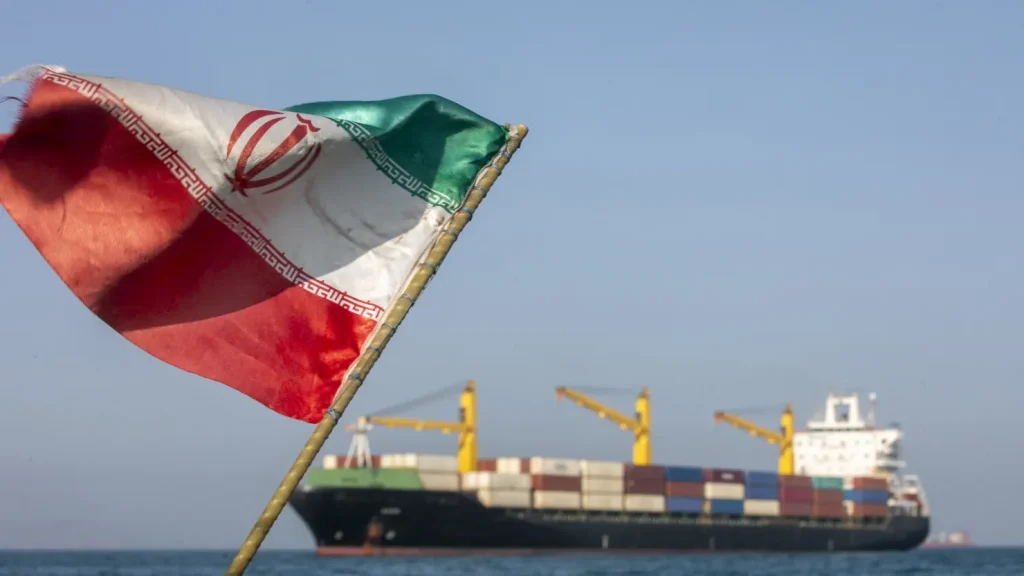
The ceasefire hinges on key conditions, including Iran’s commitment to suspend hostilities and reopen the strategically critical Strait of Hormuz — a vital artery for global oil shipments. While Iranian officials signaled compliance, they maintained claims of control over the waterway, underscoring lingering tensions beneath the agreement.
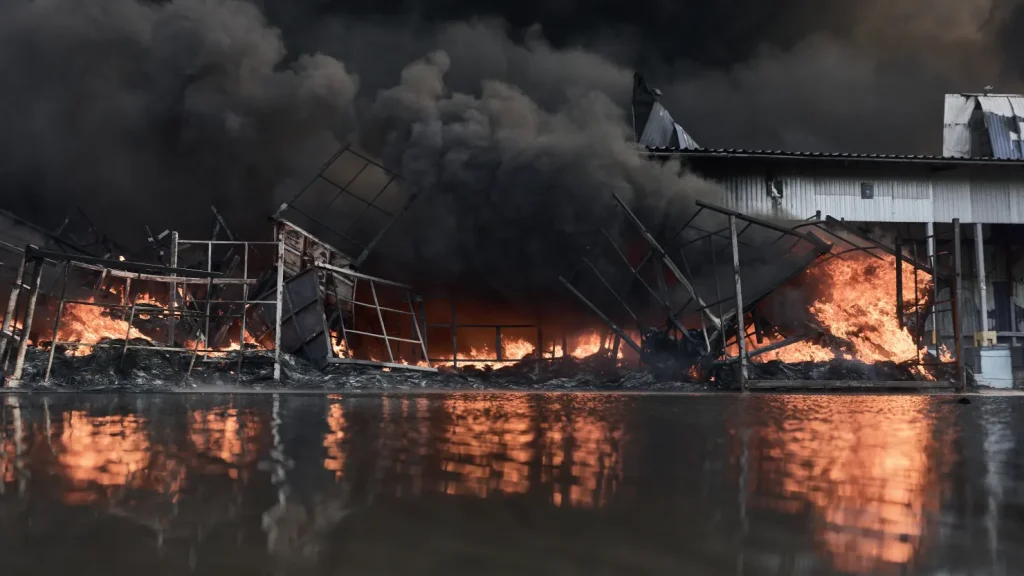
The timing of the deal was crucial. With just hours remaining before potential U.S. strikes, the ceasefire allowed Washington to avoid immediate escalation while preserving room for diplomacy. Analysts suggest the agreement effectively spared the region from a potentially devastating conflict — at least in the short term.
Markets React with Relief
Global financial markets responded swiftly to the development. Oil prices, which had surged amid fears of supply disruption, fell below $100 per barrel in after-hours trading, while U.S. stock futures posted gains. Investors appeared cautiously optimistic that the worst-case scenario — a full-scale regional war — had been averted.
However, uncertainty remains high. The ceasefire is temporary, and the upcoming negotiations are expected to be complex and potentially volatile.
A High-Stakes Gamble
The deal also represents a political balancing act for President Trump. In recent days, his rhetoric had intensified dramatically, including warnings of catastrophic consequences for Iran. Critics argue that such statements risked inflaming tensions further and undermining diplomatic efforts.
By agreeing to a ceasefire, Trump has avoided an immediate military confrontation that could have had far-reaching humanitarian and economic consequences. At the same time, the move raises questions about whether the administration’s aggressive posture ultimately strengthened or weakened its negotiating position.
Domestic and International Criticism
The president’s approach has drawn criticism from both political opponents and some members of his own party. Prominent Democrats, including Chuck Schumer, condemned the administration’s handling of the crisis, warning of the risks associated with threats targeting civilian infrastructure.
Meanwhile, dissent has also emerged among Republicans. Lawmakers such as Lisa Murkowski and Ron Johnson expressed concern over the tone and implications of the president’s statements, highlighting divisions within Washington over how to manage the الأزمة.
Global Implications
Beyond immediate political considerations, the episode may have lasting implications for how the United States is perceived on the world stage. Traditionally seen as a stabilizing force in international affairs, Washington’s recent actions — and rhetoric — have raised concerns among allies and adversaries alike.
Experts suggest that even if a permanent agreement is reached, the crisis may have already reshaped global perceptions of U.S. leadership, signaling a more unpredictable and confrontational approach to foreign policy.
What Comes Next
The next two weeks will be critical. Negotiators from both sides are expected to engage in intensive talks aimed at securing a long-term settlement. Key issues will likely include maritime security, sanctions, and broader regional stability.
While the ceasefire has provided a temporary reprieve, the underlying tensions remain unresolved. The path forward is uncertain, and the risk of renewed escalation cannot be ruled out.
For now, the world watches closely as diplomacy attempts to succeed where brinkmanship nearly led to war.