
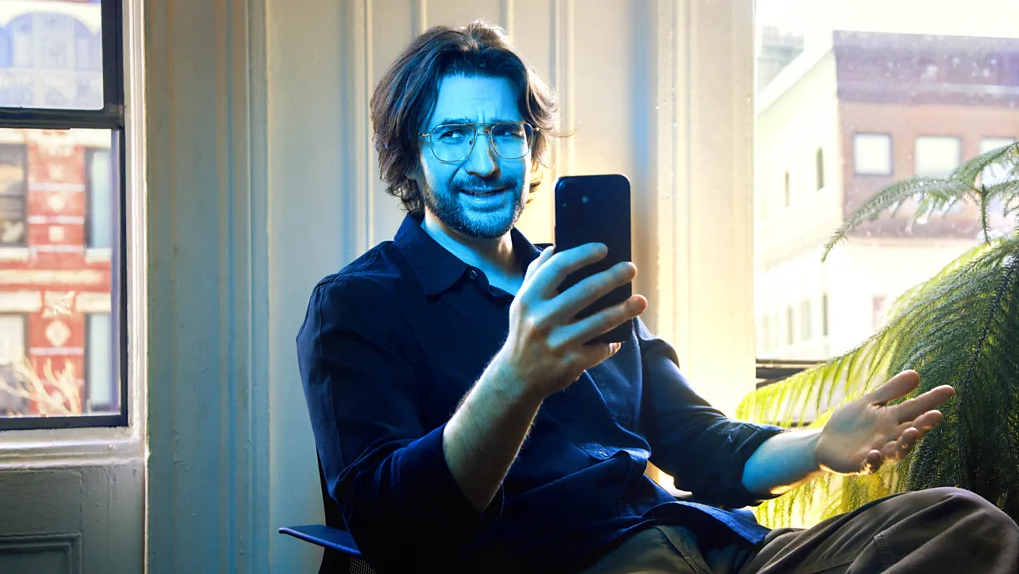

For over a decade, screens have been blamed for ruining our sleep, but emerging research suggests the story is far more nuanced. While the blue light emitted by phones, laptops, and LED bulbs can affect our circadian rhythms under controlled laboratory conditions, experts say the contribution of screens to real-world sleep disruption is minimal.
Jamie Zeitzer, professor of psychiatry and behavioral sciences at Stanford University, explains that the blue-sensitive protein melanopsin in our eyes does respond to blue light, but the intensity from everyday devices is negligible compared to natural sunlight. Studies show that even cumulative exposure from digital devices throughout a day equates to less than a minute of outdoor sunlight. Moreover, a review of 11 studies found that screen light delays sleep by only about nine minutes at worst.
The real culprit behind poor sleep appears to be our overall light exposure patterns and lifestyle habits. Bright light during the day helps anchor the circadian rhythm, making evening light, including blue light from screens, far less impactful. Conversely, dim environments during the day and exposure to light late at night can disrupt natural sleep cues.
To investigate this firsthand, journalist Thomas Germain conducted an extreme experiment. He donned deep amber safety goggles, blocked all windows with blackout curtains, and replaced all artificial light in his apartment with candles. Even with this rigorous blue-light ban, his sleep quality remained largely unchanged, though he found small improvements in bedtime consistency and motivation.
Experts suggest practical ways to optimize light for better sleep without resorting to extreme measures. Start the day with exposure to bright daylight or a high-intensity lamp to stimulate alertness and help set the body clock. Reduce artificial lighting in the evening, ideally using warm-toned or dim lights, and consider short outdoor walks in the morning and late afternoon to reinforce natural rhythms. Importantly, what you do on your devices before bed—the content you consume—often matters more than the light they emit.
In short, while blue light has a measurable effect on sleep under certain conditions, it is not the sleep destroyer many believe. Managing daily light exposure and maintaining consistent bedtime routines have far greater influence on getting a good night’s rest.