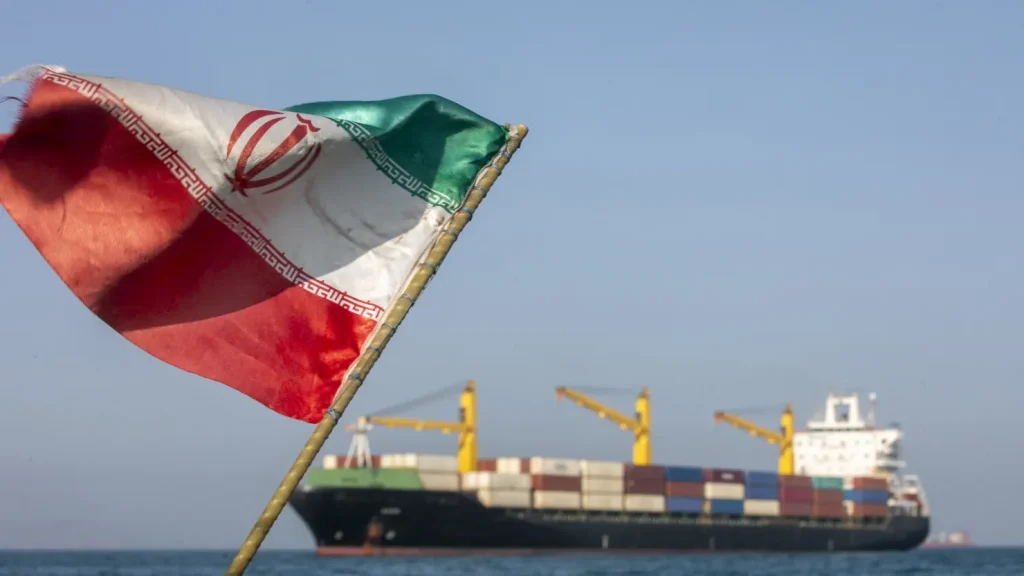


Maritime Traffic Remains Limited in Strait of Hormuz Despite Ceasefire Between U.S. and Iran
The first commercial ships have passed through the Strait of Hormuz since the U.S. and Iran announced a two-week ceasefire, according to ship-tracking service MarineTraffic. However, overall traffic remains minimal, and uncertainty continues to plague the maritime industry.
Experts note that while Iran has assured safe passage, ships must coordinate with Iran’s Armed Forces and comply with technical inspections. Reports indicate that Iran may levy cryptocurrency tolls on vessels and inspect each ship for weapons, complicating transit plans.
Two bulk carriers — the Greek-owned NJ Earth and Liberia-flagged Daytona Beach — were among the first ships to transit overnight. While symbolic, these movements do not represent a return to pre-war traffic levels, which averaged 100–120 commercial vessels daily, mostly oil tankers. During the conflict, daily traffic fell to just a handful of vessels, effectively closing a key artery for 20% of the world’s oil supply.
U.S. officials, including Defense Secretary Pete Hegseth, have stated that the strait is open, and President Donald Trump assured via Truth Social that the U.S. would assist in alleviating traffic bottlenecks. Trump’s post marked a stark shift from his previous threats to attack Iran’s civilian infrastructure if the strait remained closed.
Shipping companies, however, remain cautious. Maersk highlighted that while the ceasefire offers potential transit opportunities, details remain limited, and conditions for safe passage are still unclear.
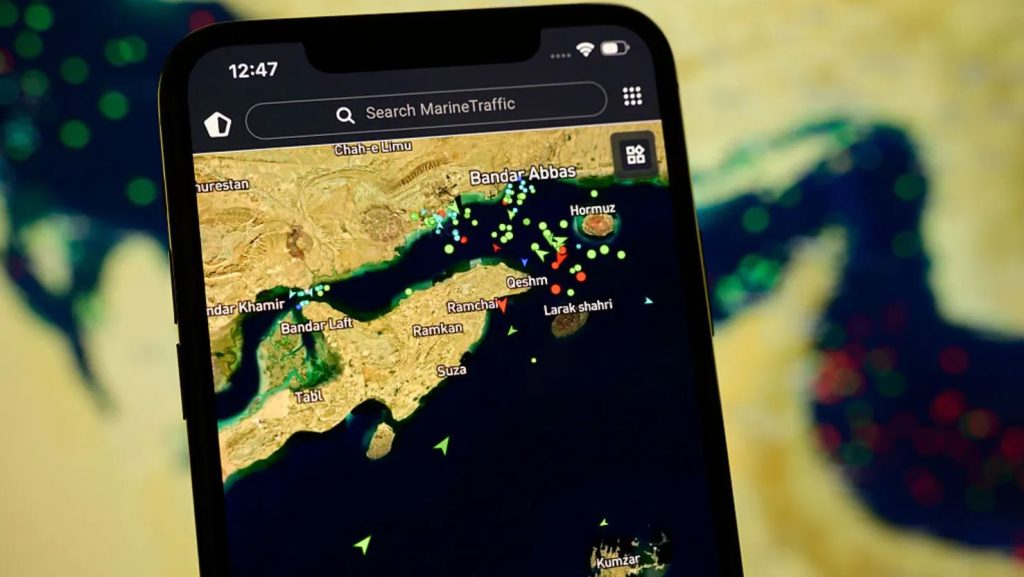
MarineTraffic and Lloyd’s List data suggest that hundreds of vessels remain stranded near the strait, with transit volume still far below normal levels. Analysts warn that only 10–15 vessels may pass per day for now, as Iran continues to vet and inspect ships.
The Strait of Hormuz remains a critical global trade route, carrying significant portions of the world’s oil. While the ceasefire offers hope for reopening, full maritime certainty has yet to be achieved, and the shipping industry is taking a cautious approach.