

Assessing US War Objectives in Iran: Gains, Costs, and Unanswered Questions
Weeks after the US and Israel launched strikes on Iran, debate over the success of the campaign continues. Pentagon briefings led by Defence Secretary Pete Hegseth have emphasized military supremacy, yet closer examination suggests limited progress on strategic objectives.
Little Progress on Nuclear Ambitions
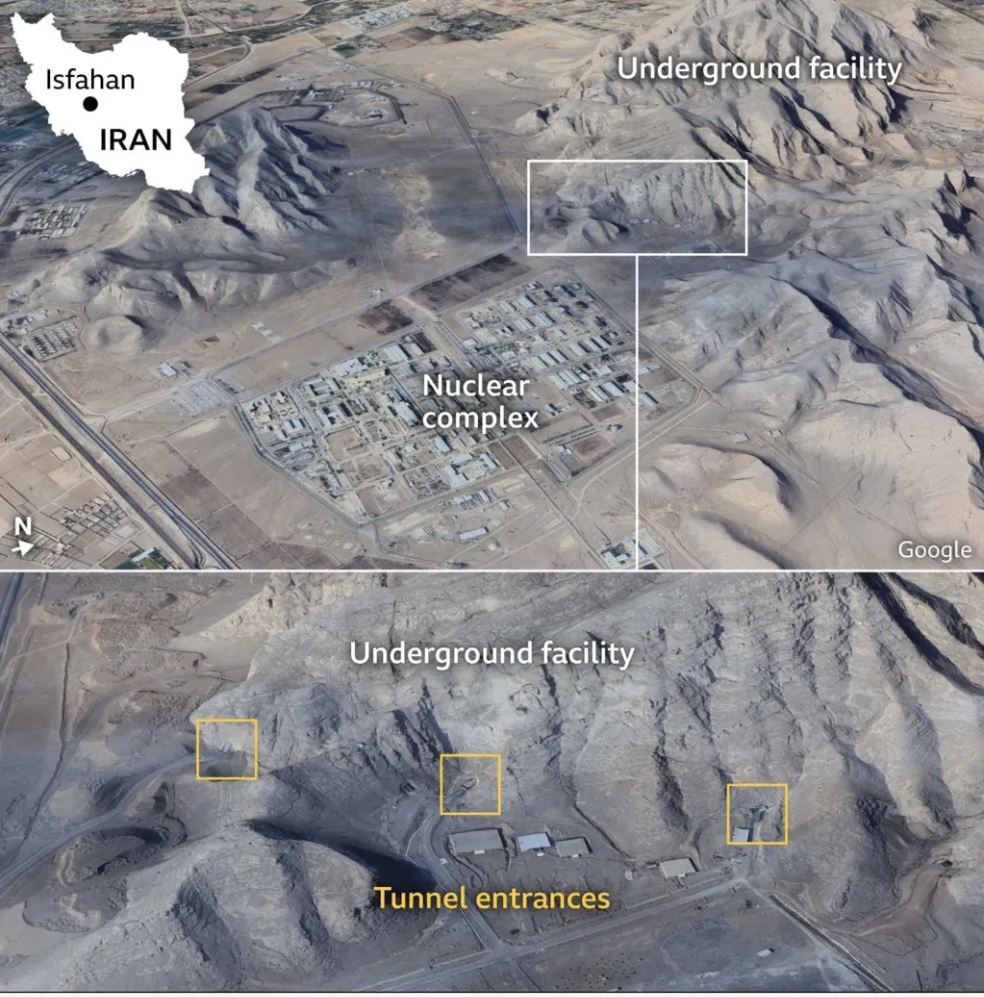
President Trump’s primary stated goal was to prevent Iran from developing nuclear weapons, though Tehran has consistently denied any nuclear weapons ambitions. While US strikes targeted sites at Isfahan, Fordow, and Natanz, Iran maintains a stockpile of near-weapons-grade uranium under rubble, according to the International Atomic Energy Agency (IAEA).
Rafael Grossi, head of the IAEA, has stated there may ultimately be no military solution to Iran’s nuclear program. Analysts warn that US attacks could even harden Iran’s resolve to pursue nuclear capabilities as a deterrent.
Regime Change and Military Arsenal
Trump’s broader aim of regime change has yet to materialize. Despite the killing of senior Iranian figures, including General Qasem Soleimani, the Supreme Leader Ali Khamenei remains in power. Claims of “obliterated” conventional arsenals, including missiles, drones, and naval assets, have been challenged by leaked intelligence suggesting Iran retains roughly half of its pre-war capabilities.
Human and Economic Costs
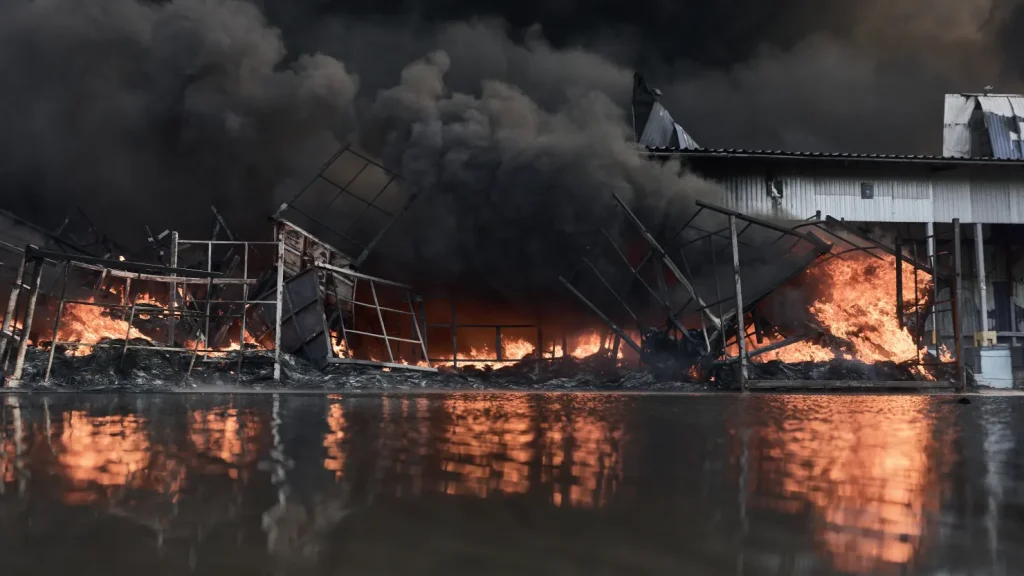
The human cost includes 13 US service members killed and hundreds wounded. Civilian casualties in Iran, including a potential strike on a school in Minab killing at least 168 people, remain under investigation. Financially, estimates suggest the campaign has cost over a billion dollars per day, including massive munitions expenditure.
Political and Domestic Repercussions
At home, public opinion is divided. Polls indicate a minority of Americans support the war, while Trump faces criticism from both Democrats and former allies in the MAGA movement. Figures such as Tucker Carlson and Marjorie Taylor Greene have voiced sharp opposition to escalating attacks, reflecting fractures within US political support.
Shifting Objectives and Uncertainty Ahead
While Pentagon briefings depict victory, tangible outcomes on nuclear containment, regime change, and military superiority are unclear. Negotiations with Iran, now set to resume in Islamabad, will test whether military action has strengthened US leverage or created a more defiant Iranian stance.
As the conflict enters a tenuous ceasefire, the question remains: has the US truly achieved its objectives, or has the war only deepened uncertainty, cost, and global tensions?