

The United Kingdom has accused Russia of conducting covert submarine operations near critical undersea cables and pipelines in waters north of the UK, escalating concerns over infrastructure security.
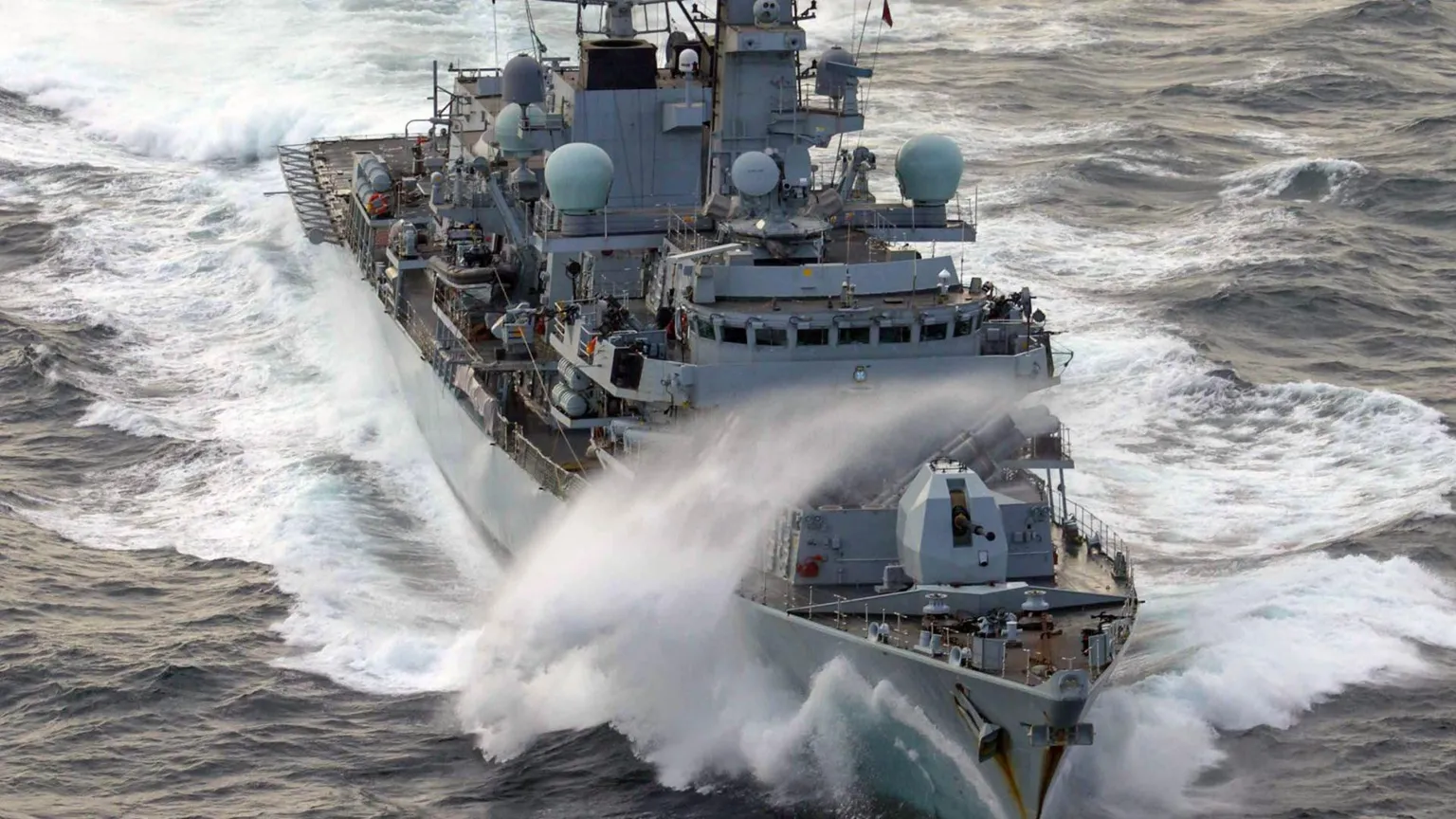
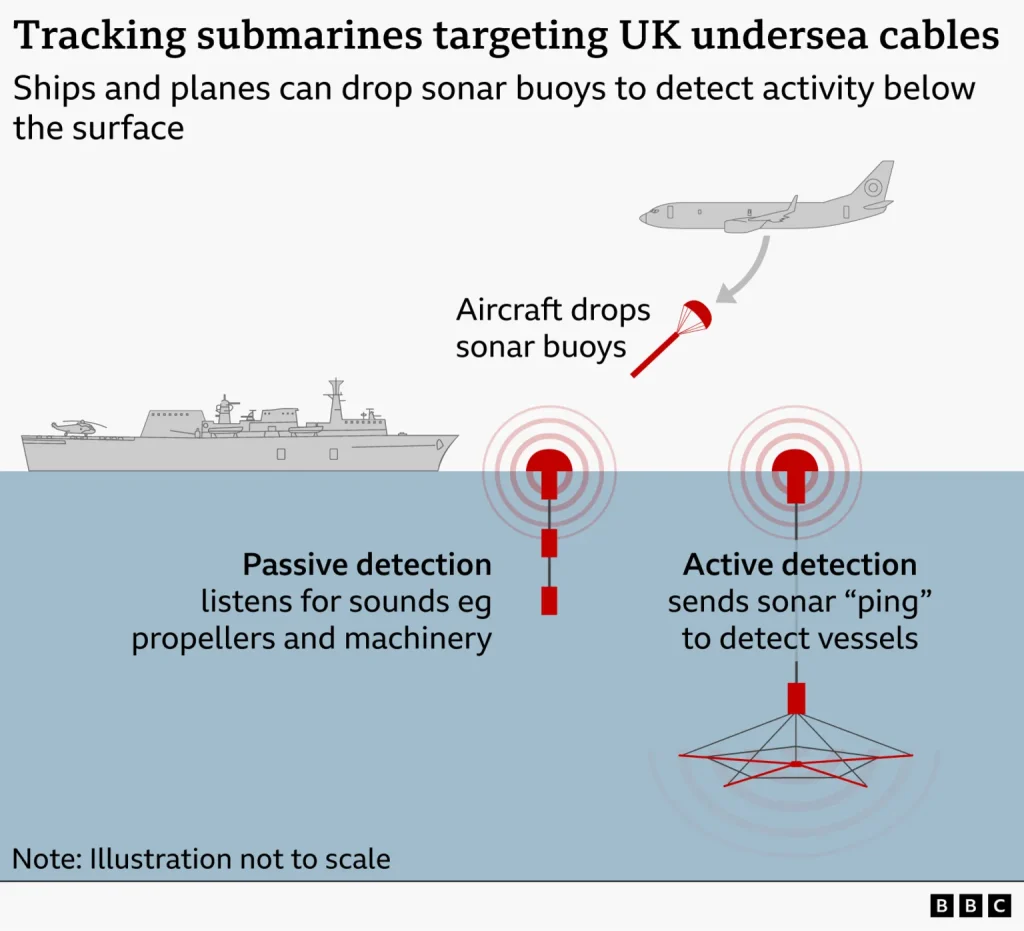
Defence Secretary John Healey revealed that three Russian submarines were detected operating in the region, prompting a swift response from the Royal Navy. British forces, including a warship and surveillance aircraft, were deployed to monitor and deter the activity.
“There is no evidence of damage,” Healey confirmed, but issued a stern warning directed at Russian President Vladimir Putin, stating that any attempt to interfere with UK infrastructure would result in “serious consequences.”
Strategic Importance of Undersea Networks
The UK relies heavily on its network of undersea cables and pipelines, with over 90% of internet traffic transmitted through approximately 60 submarine cables landing along its coastline. These systems are vital for both communications and energy supply, making them potential targets in modern geopolitical conflicts.
Sophisticated Russian Capabilities
According to UK officials, the operation involved an Akula-class attack submarine acting as a diversion, while two specialized vessels linked to Russia’s secretive GUGI unit carried out surveillance activities.
GUGI, known for deep-sea reconnaissance and sabotage capabilities, operates advanced mini-submarines capable of reaching extreme depths. These systems are believed to have the ability not only to cut undersea cables but also to intercept data transmissions.
Military Response and Monitoring
The Royal Navy deployed HMS St Albans, supported by anti-submarine helicopters and allied forces, including cooperation with Norway, to track the submarines’ movements. Officials stated that the vessels were closely monitored throughout the operation, effectively exposing what was intended to be a covert mission.
Russia Denies Allegations
The Russian embassy in London has rejected the claims, insisting that Moscow does not threaten critical underwater infrastructure and dismissing the accusations as unfounded.
Rising Concerns Over Hybrid Warfare
Experts warn that such activities fall under “hybrid warfare” — tactics designed to destabilize adversaries without direct military confrontation. NATO allies fear that mapping and monitoring undersea infrastructure could provide a strategic advantage in the event of future conflict.
The incident underscores growing tensions between Western nations and Russia, highlighting vulnerabilities in global communication and energy systems that are increasingly becoming focal points in modern security strategies.