
UK Prime Minister Keir Starmer has said that it is in the best interests of the United States to remain in NATO, as he urged Europe to take greater responsibility for the defence alliance amid rising global tensions.
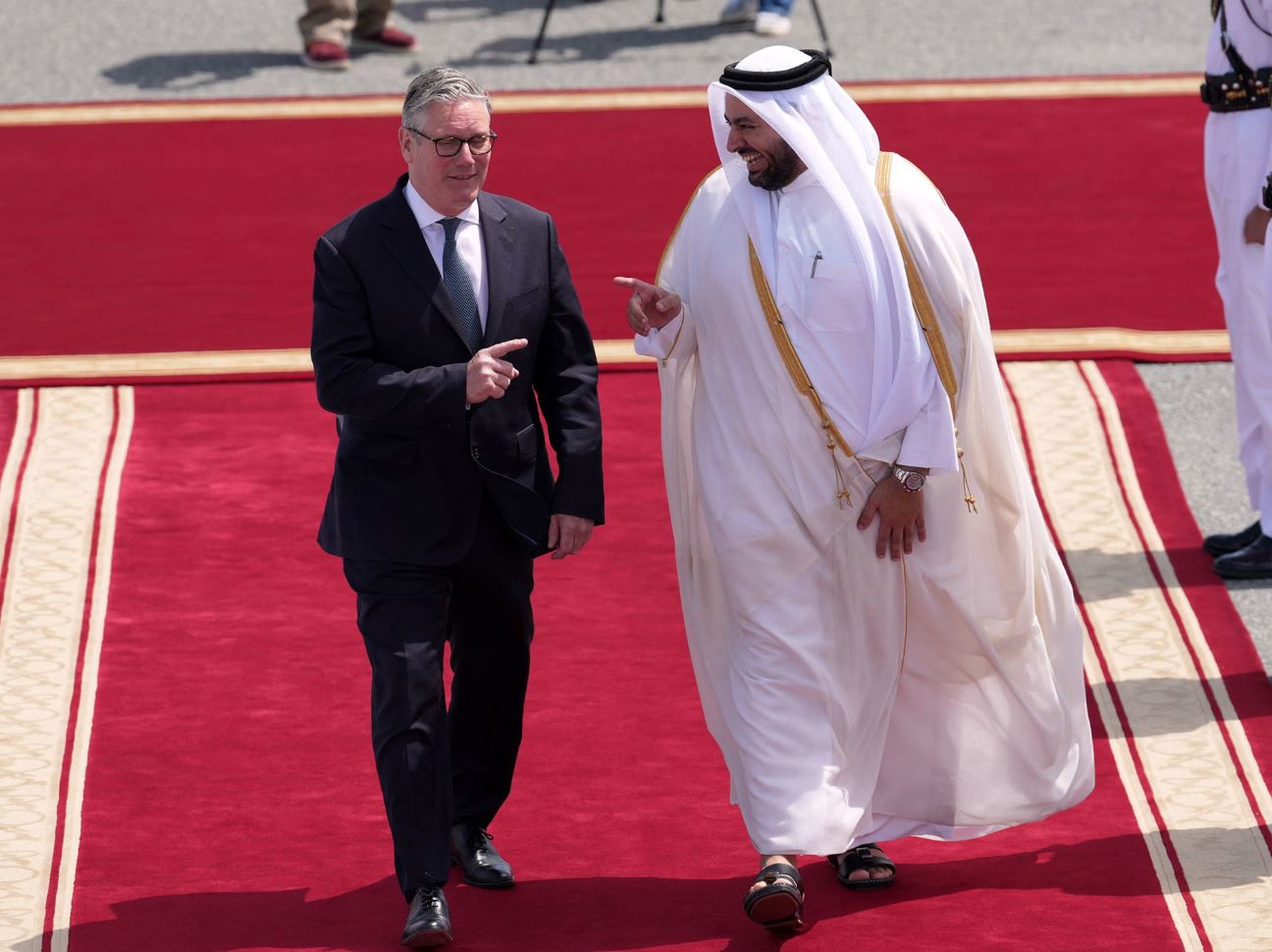
Speaking at the end of a diplomatic trip to Gulf countries including Qatar, Saudi Arabia, the United Arab Emirates, and Bahrain, Starmer pushed back against repeated remarks by US President Donald Trump suggesting that Washington could withdraw from NATO.
Trump has criticised European members of the alliance for not contributing enough to defence efforts and has previously threatened to reconsider US involvement in the organisation.
Starmer said NATO remains the “most effective military alliance the world has ever known” and stressed that both Europe and the United States benefit from its continued existence.
He acknowledged that European nations must increase defence spending and take on a stronger role within the alliance, adding that steps in that direction are already underway.
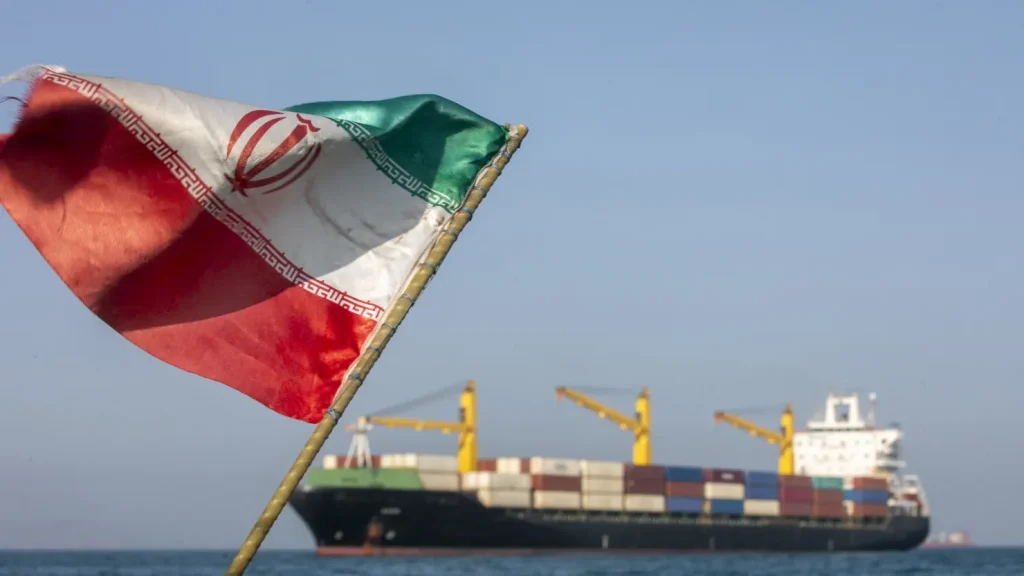
The Prime Minister also said discussions with Gulf leaders focused heavily on regional security, particularly the fragile ceasefire in the Middle East and concerns over the strategic Strait of Hormuz, a key global shipping route for oil and gas.
He warned that stability in the region remains uncertain and stressed the importance of keeping vital maritime routes open and free from restrictions or tolls.
Starmer also discussed recent communications with President Trump, saying they focused on ensuring safe passage for commercial shipping through the Strait of Hormuz.
Meanwhile, UK Defence Secretary John Healey said Britain’s actions in the region demonstrate its commitment to security cooperation, noting that UK forces have supported defensive operations and helped protect Gulf allies during the recent conflict.
He added that UK military support and base agreements with the US have played an important role in ongoing operations in the region.
The developments come amid broader debates over NATO’s future role, European defence spending, and global security challenges linked to the ongoing instability in the Middle East.