
Lebanon has said it will only participate in direct negotiations with Israel if a ceasefire is established beforehand, as fighting between the two sides continues to intensify.
A senior official from the Lebanese president’s office confirmed that talks scheduled for next week would depend on an immediate halt in hostilities. The statement comes after Israeli Prime Minister Benjamin Netanyahu authorised direct negotiations, citing repeated requests from Lebanon.
The United States has indicated it will host discussions in Washington aimed at advancing ceasefire efforts, as international pressure grows to contain the conflict.
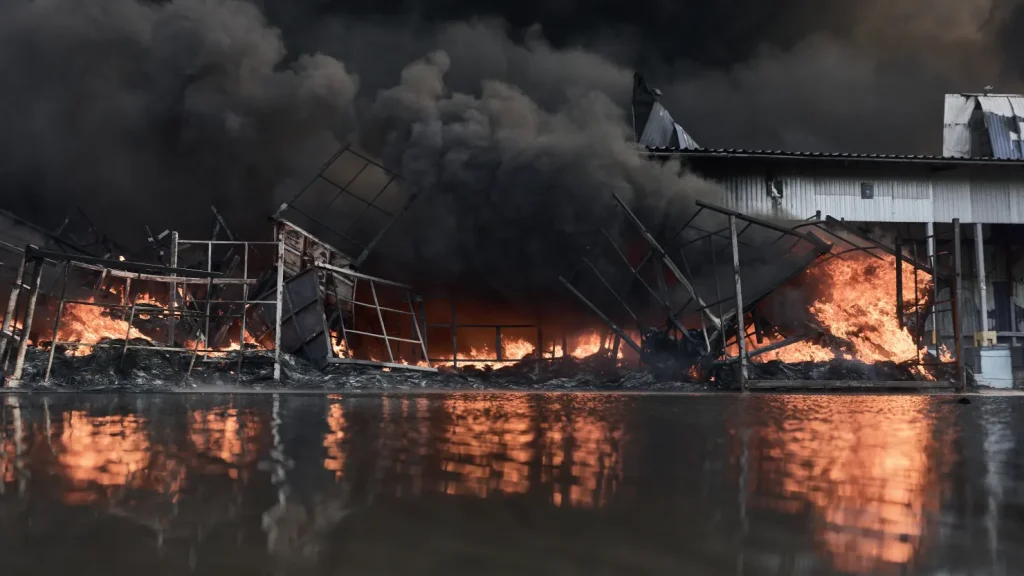
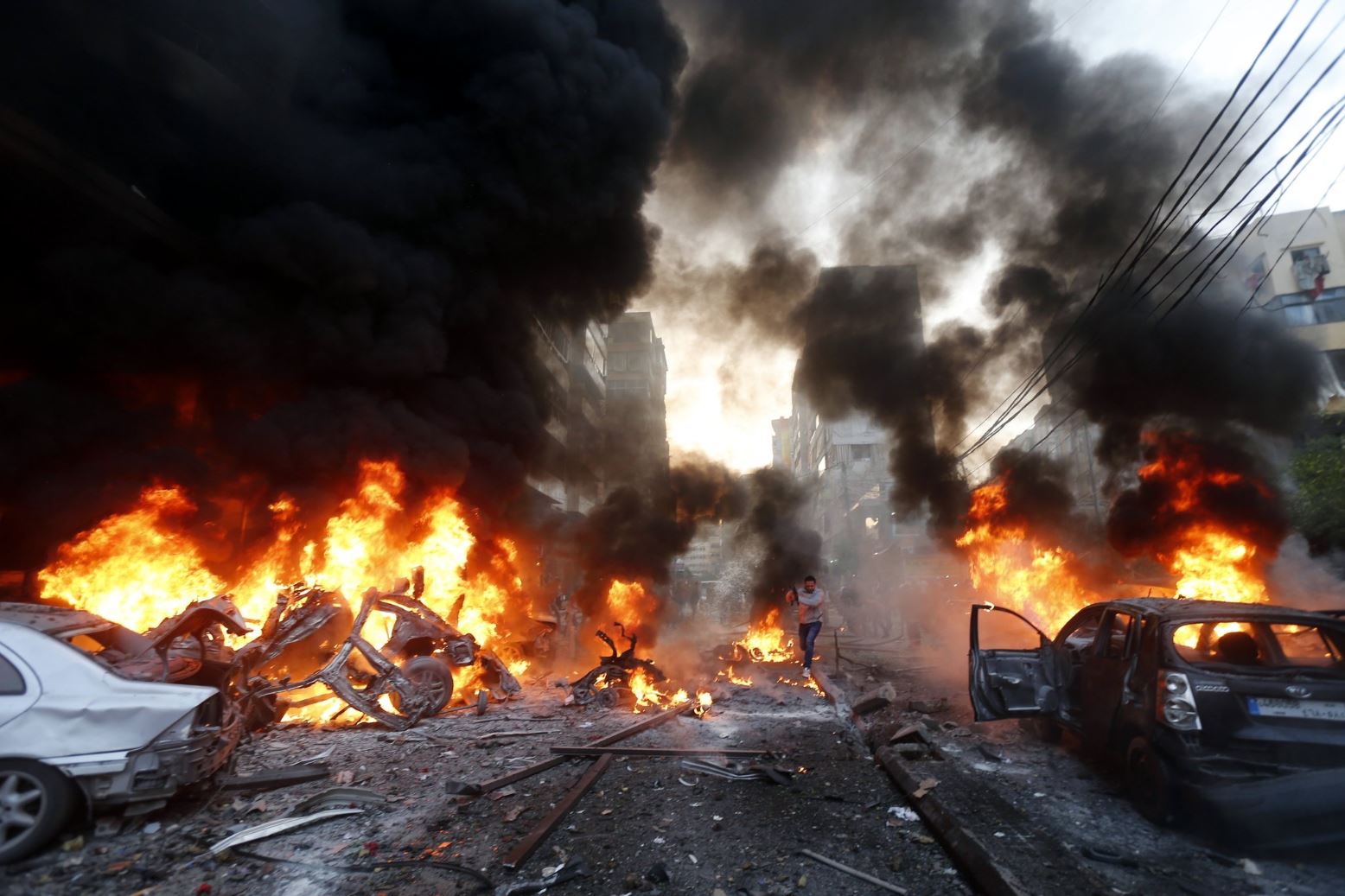
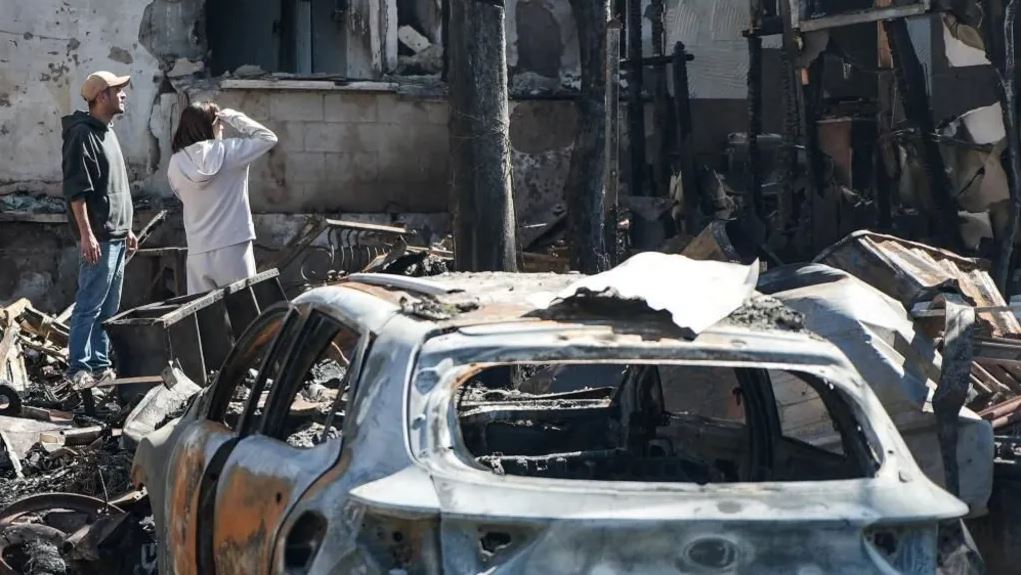
Meanwhile, violence on the ground has continued. Lebanese authorities say Israeli airstrikes have killed at least 21 people in recent attacks, including members of the same family and civilians in multiple towns. Medical facilities and emergency vehicles have also reportedly been hit.
The Israeli military says it has targeted rocket launch sites and Hezbollah infrastructure, claiming the strikes are in response to continued rocket fire into northern Israel.
Hezbollah has also launched rockets into Israeli territory, including areas near the border and further south, though many were intercepted and no major casualties have been reported.
There remains significant disagreement over whether Lebanon is included in a broader ceasefire linked to the recent US-Iran truce. While Pakistan and Iran maintain that Lebanon is part of the agreement, the United States and Israel have rejected that interpretation.
US Vice President JD Vance said that the ceasefire does not extend to Lebanon, while Iran has accused Israel of violating the agreement through continued strikes.
Benjamin Netanyahu has also stated that “there is no ceasefire in Lebanon,” despite diplomatic efforts to bring both sides to the negotiating table.
Direct negotiations between Lebanon and Israel would mark a significant shift, as the two countries have historically avoided direct dialogue, relying instead on international intermediaries.
The humanitarian situation in Lebanon is worsening rapidly. According to officials, hundreds of people have been killed in recent days, with more than a million displaced. Aid agencies warn of growing food insecurity, rising prices, and increasing difficulty in delivering assistance due to ongoing airstrikes and damaged infrastructure.
As diplomatic efforts continue, the possibility of talks remains uncertain, with Lebanon insisting that a ceasefire must come first before any meaningful negotiations can take place.