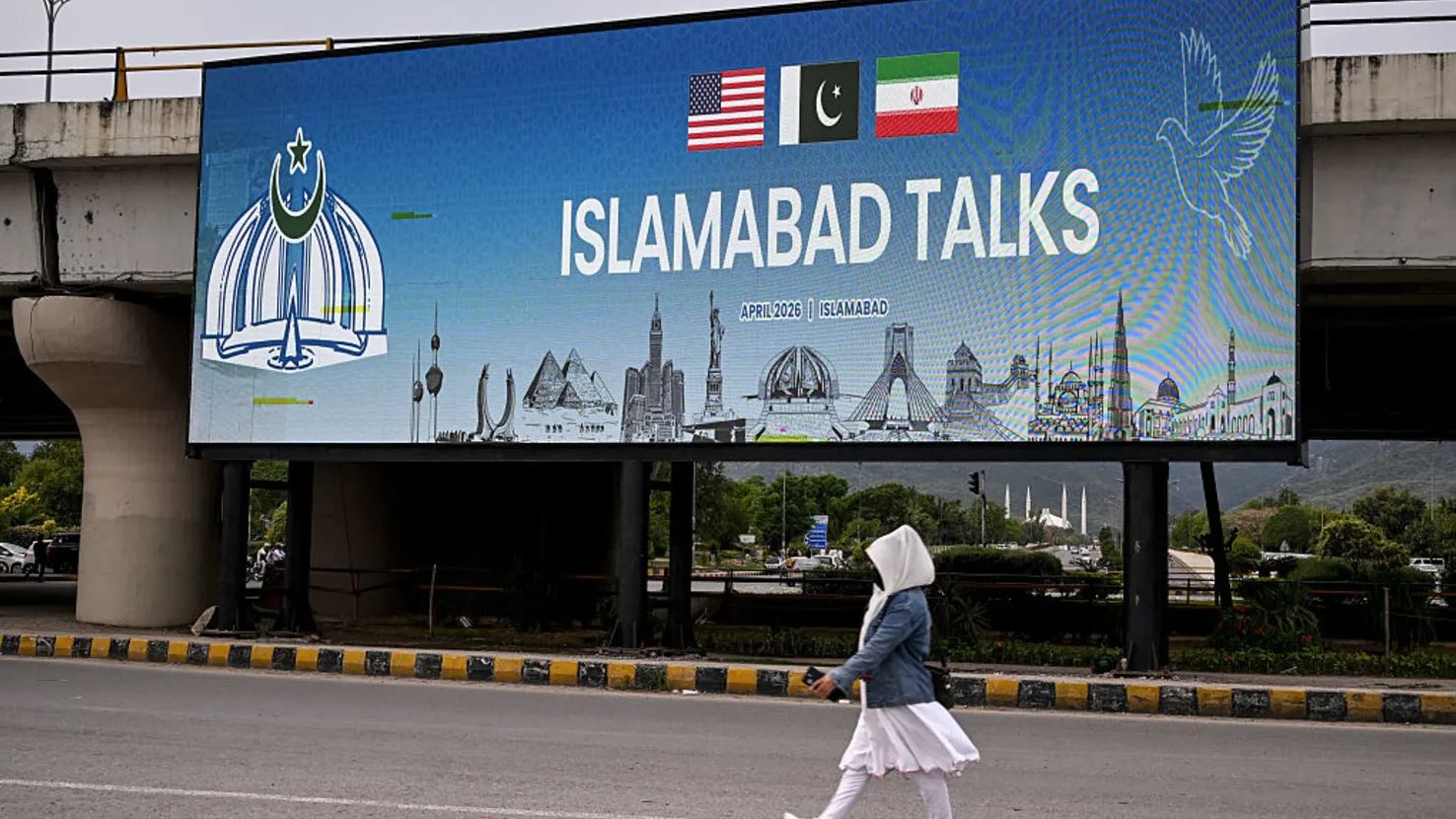

Delegates from the United States and Iran are preparing to hold crucial peace talks in Pakistan on Saturday, as growing disagreements threaten to destabilize a fragile two-week ceasefire agreement.
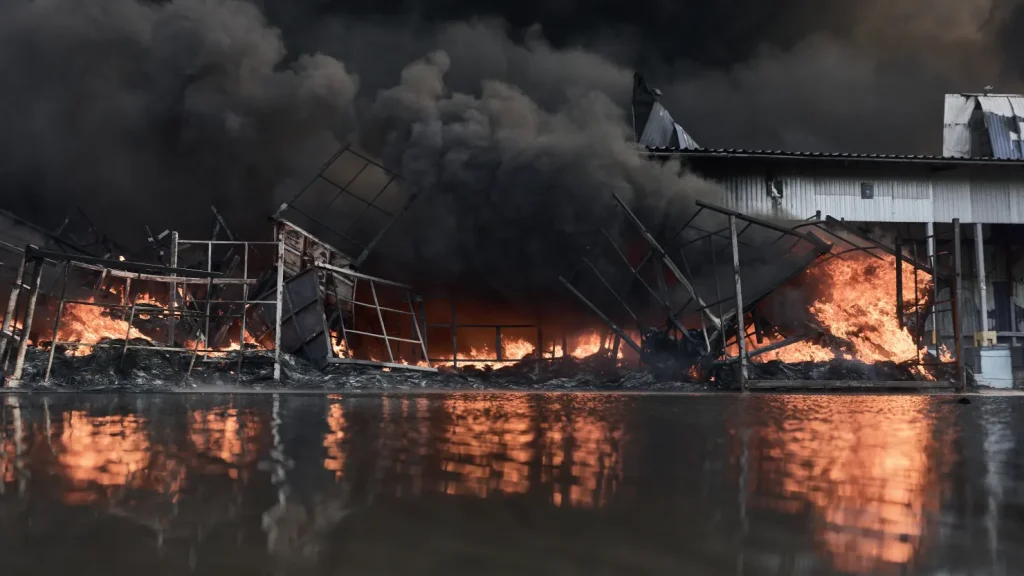
The negotiations come amid rising tensions in the region, with both sides accusing each other of violating earlier ceasefire understandings. Iran has accused Israel of breaching the agreement, while continued Israeli military operations in Lebanon have further escalated regional instability, with reports of significant casualties.
A key point of dispute is whether Lebanon is included in the ceasefire framework. While Pakistan, the United States, and Israel have maintained differing interpretations of the agreement, Iran insists that Lebanon must be part of any broader settlement. This disagreement has raised concerns that the negotiations could collapse before meaningful progress is made.
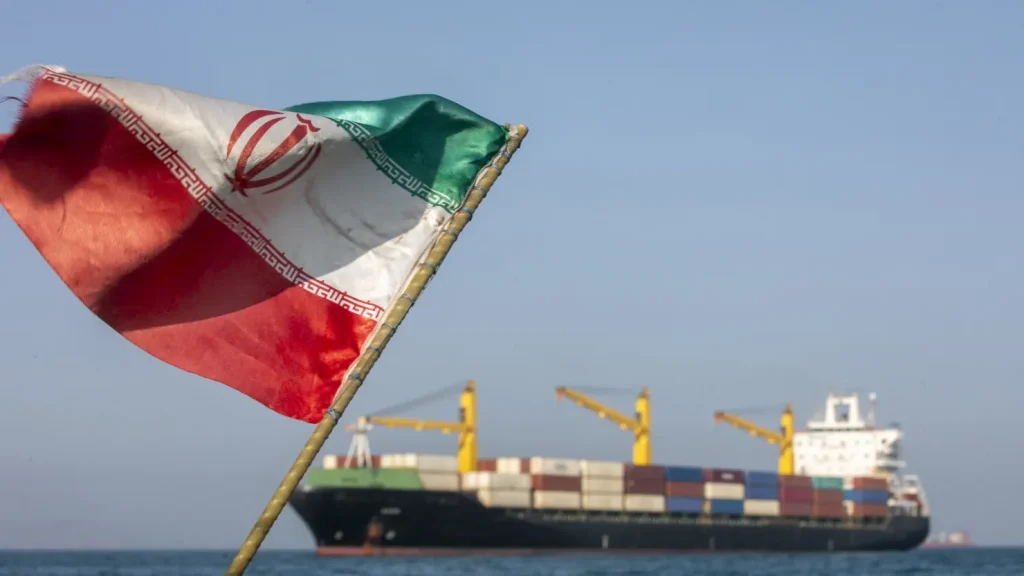
Another major sticking point is the future control of the Strait of Hormuz, a critical global shipping route for oil and gas. Iran has reportedly pushed for maintaining control over the waterway and introducing transit fees for vessels passing through the region. Some reports suggest Tehran may even seek payments through cryptocurrency in exchange for safe passage.
The United States, however, has called for the full and immediate opening of the Strait, warning that any restrictions or toll systems could severely disrupt global energy supplies and maritime trade.
Tensions are also rising over Iran’s nuclear program. Tehran continues to insist on its right to maintain uranium enrichment capabilities, rejecting demands for complete dismantlement. U.S. officials, meanwhile, have pushed for strict limits and international inspections to ensure compliance with any potential agreement.
Experts say that while limited progress may be possible on inspection frameworks and temporary ceasefire extensions, deep disagreements over Lebanon, maritime control, and nuclear enrichment remain major obstacles to a long-term settlement.
Analysts warn that without compromise on these core issues, the talks in Pakistan risk failing to deliver a durable peace framework for the region.