
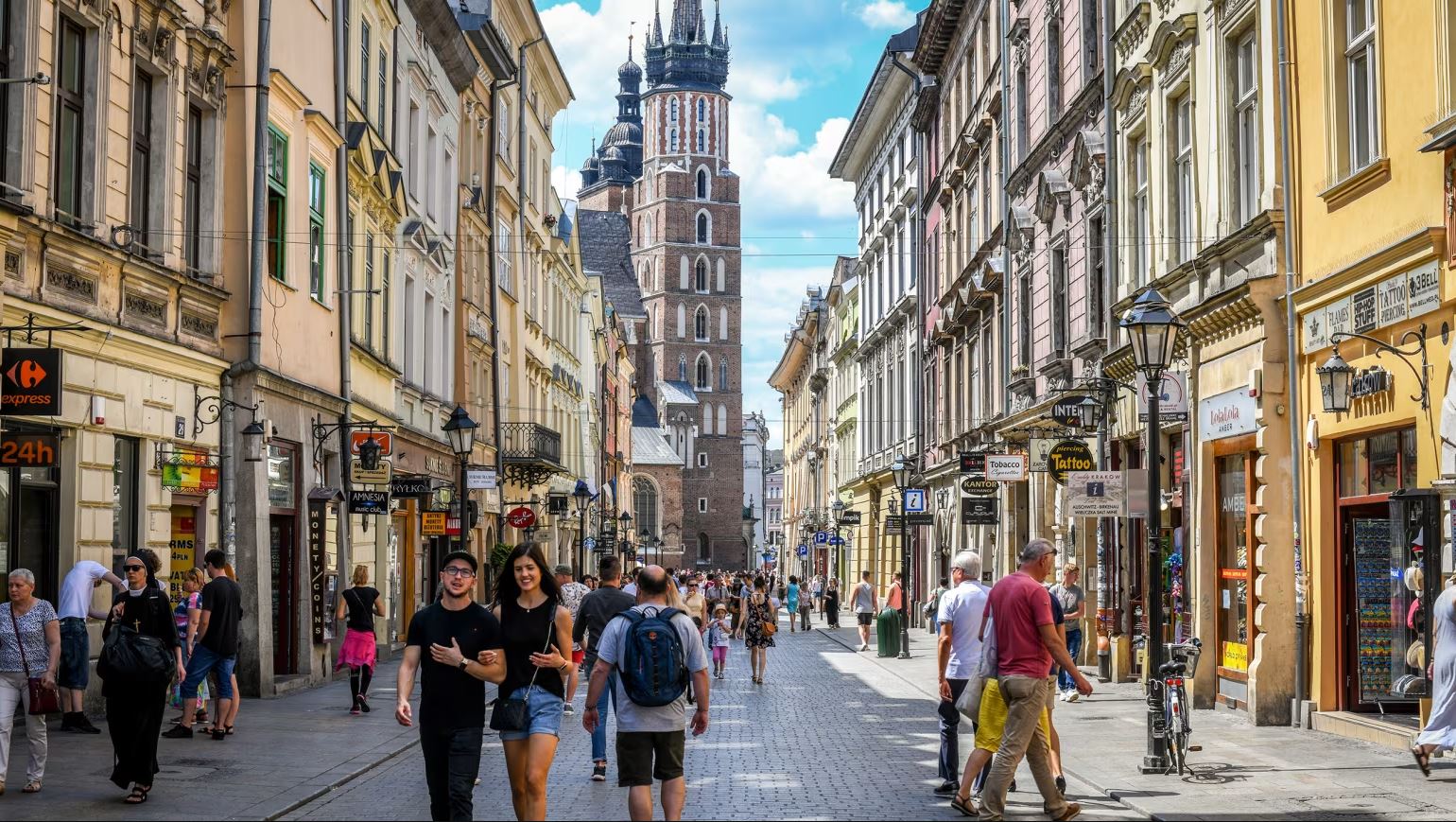

A growing number of Americans are choosing to relocate to Central and Eastern Europe, with countries such as Romania, Poland, Bulgaria, and Estonia emerging as increasingly popular destinations for those seeking a lower cost of living, improved quality of life, and a stronger connection to ancestral roots.
Many of these relocations are driven by personal heritage and lifestyle changes. Some Americans are returning to countries their families originally came from, while others are seeking a slower pace of life, affordability, and a sense of community that they feel is missing in the United States.
One such example is New Yorker Antoni Scarano, who was born in Romania and later adopted by an American family. After reconnecting with his birth family through social media, he and his wife eventually moved to a village in the Transylvania region. The couple say they were drawn by the country’s natural beauty, tight-knit communities, and reduced work pressure compared with the demanding schedules in the US.
Experts say this trend is part of a broader shift in global mobility. A 2025 Gallup poll suggests that around one in five Americans would ideally like to emigrate if given the opportunity, with younger demographics showing a particularly strong interest in moving abroad.

Immigration specialists report a sharp increase in inquiries from Americans exploring relocation options outside traditional Western European destinations such as France, Italy, Spain, and Portugal. Instead, growing attention is turning toward Central and Eastern Europe, where countries often offer simpler residency pathways, tax incentives, and citizenship options based on ancestry.
Legal and immigration experts note that countries like Hungary, Romania, Poland, Bulgaria, Latvia, and Lithuania are increasingly attractive due to flexible policies that allow descendants of emigrants—sometimes even beyond grandparents—to apply for citizenship.
Firms assisting with relocation report a significant surge in demand. One Romania-based consultancy said inquiries from Americans have multiplied in recent years, driven by interest in affordability, safety, healthcare access, and lower taxation.
Many migrants also cite concerns about safety, political polarization, and the high cost of living in the United States. In contrast, Central and Eastern European cities are often described as more walkable, affordable, and stable, with lower daily expenses for housing, transport, and groceries.
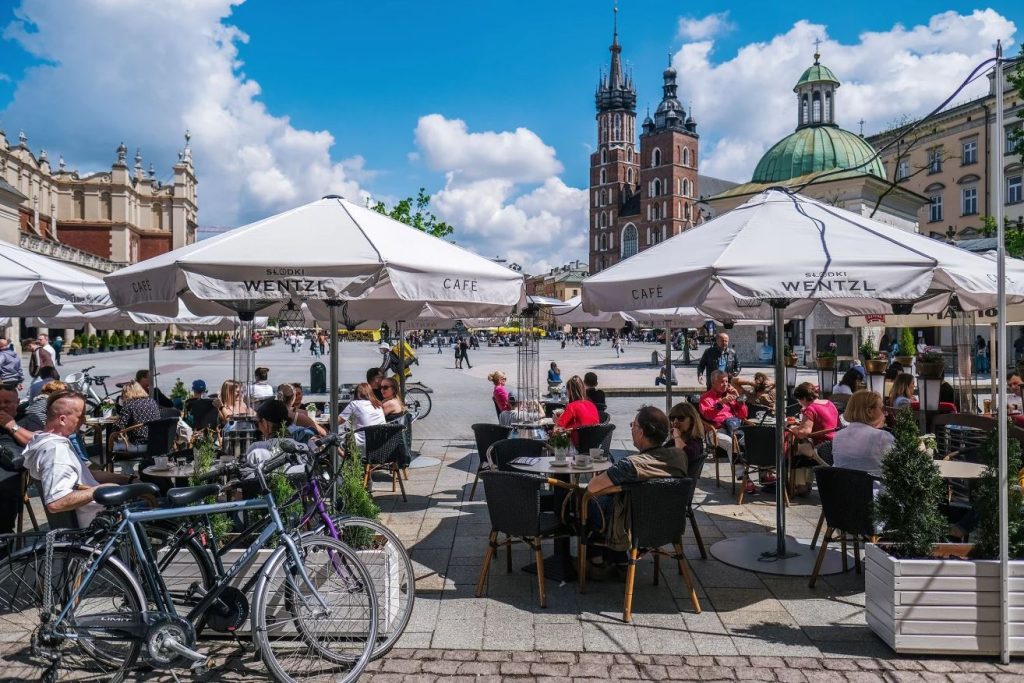
Poland has emerged as one of the most popular destinations in this trend. Americans with Polish ancestry are increasingly obtaining citizenship or residency, while others are moving for work opportunities in the country’s growing tech and startup sector. Government data also shows a rise in foreign applications for citizenship in recent years.
Despite challenges such as language barriers, colder climates, and administrative procedures, many new residents say the benefits outweigh the difficulties. They point to improved work-life balance, stronger cultural connections, and greater affordability as key reasons for staying.
As interest continues to grow, analysts expect Central and Eastern Europe to become an increasingly significant destination for American expatriates seeking alternative lifestyles outside traditional migration hotspots.