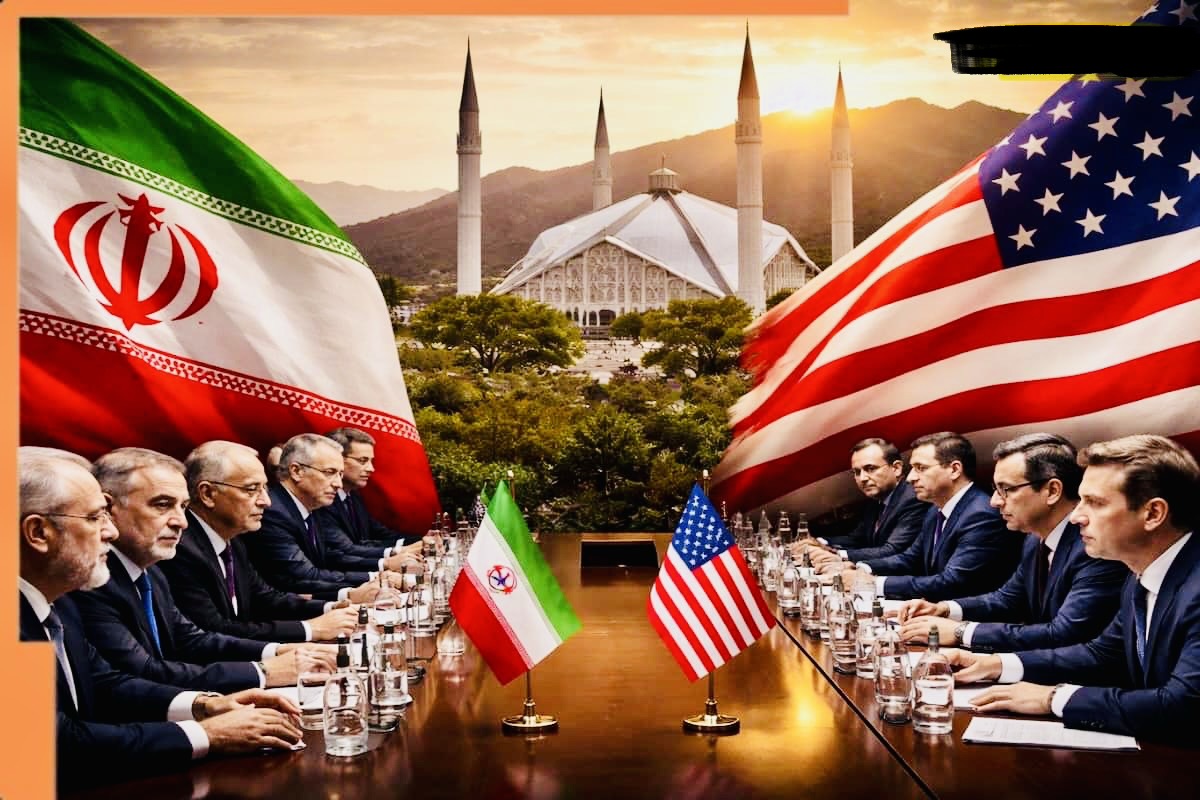

The first round of high-stakes peace talks between the United States and Iran in Islamabad concluded without a final agreement after more than 14 hours of intense discussions, signaling ongoing challenges in resolving the escalating regional conflict.
The negotiations, hosted by Pakistan, brought together senior officials from both sides in an effort to solidify a fragile two-week ceasefire. Despite initial expectations that the talks would conclude within a day, both delegations agreed to continue discussions on Sunday, highlighting the complexity of the issues at hand.
The US delegation, led by Vice President JD Vance, engaged in multiple rounds of dialogue with the Iranian team headed by Parliament Speaker Mohammad Bagher Ghalibaf. Pakistan played a central mediating role, aiming to ease tensions and guide both parties toward a long-term settlement.
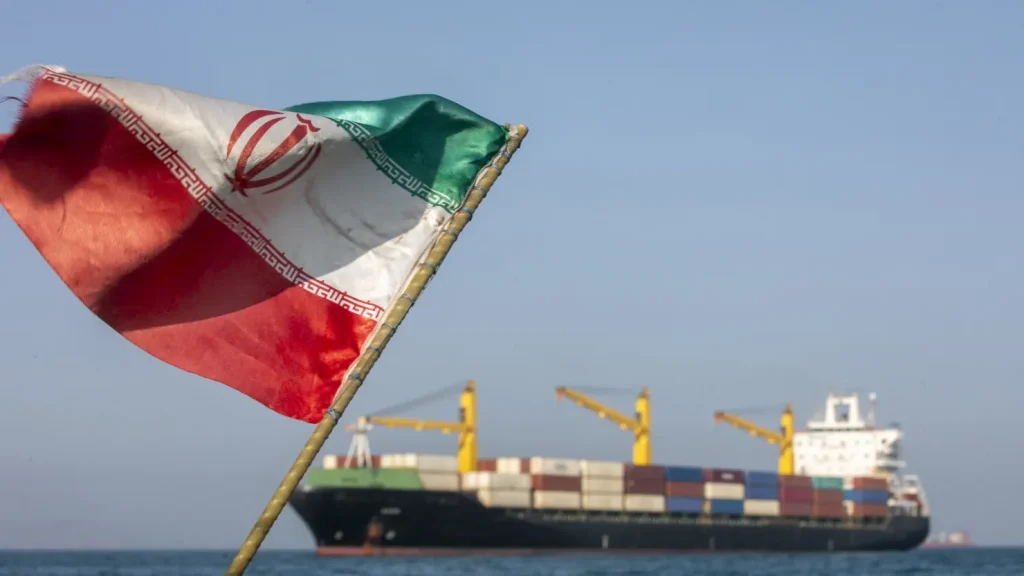
A major sticking point in the talks remains Iran’s continued control over the Strait of Hormuz, a critical global oil transit route. Tehran has imposed restrictions on shipping traffic, demanding full sovereignty over the passage, along with war reparations and the release of frozen assets as preconditions for any lasting agreement.
Meanwhile, the United States has begun military operations to secure the waterway. Two US Navy destroyers, including the USS Michael Murphy, were deployed to clear sea mines and ensure safe passage for commercial vessels. This move underscores the strategic importance of the strait, through which nearly 20% of global oil supplies pass.
Tensions remain high as conflicting narratives emerge from both sides. While US officials insist on ensuring freedom of navigation, Iranian authorities have warned of a “strong response” to any military presence in the region. Reports also suggest Iran has presented a list of “non-negotiable conditions,” further complicating the path to peace.
Despite the lack of a breakthrough, the continuation of talks is being seen as a positive sign by diplomatic observers. Pakistan’s role as a mediator has been widely acknowledged, with Islamabad positioning itself as a key player in facilitating dialogue between the two adversaries.
As negotiations resume, the world watches closely, with hopes that continued engagement could prevent further escalation and pave the way for a more stable and peaceful Middle East.