


Europe, once considered the global hub of pharmaceutical innovation, is rapidly losing its competitive edge as pressure mounts from the United States and China.
Aggressive policies introduced by former US President Donald Trump, including drug pricing reforms and tariffs, have significantly reshaped the global pharmaceutical landscape. At the same time, China’s rapidly expanding biotech sector is emerging as a powerful force, drawing investment and innovation away from Europe.
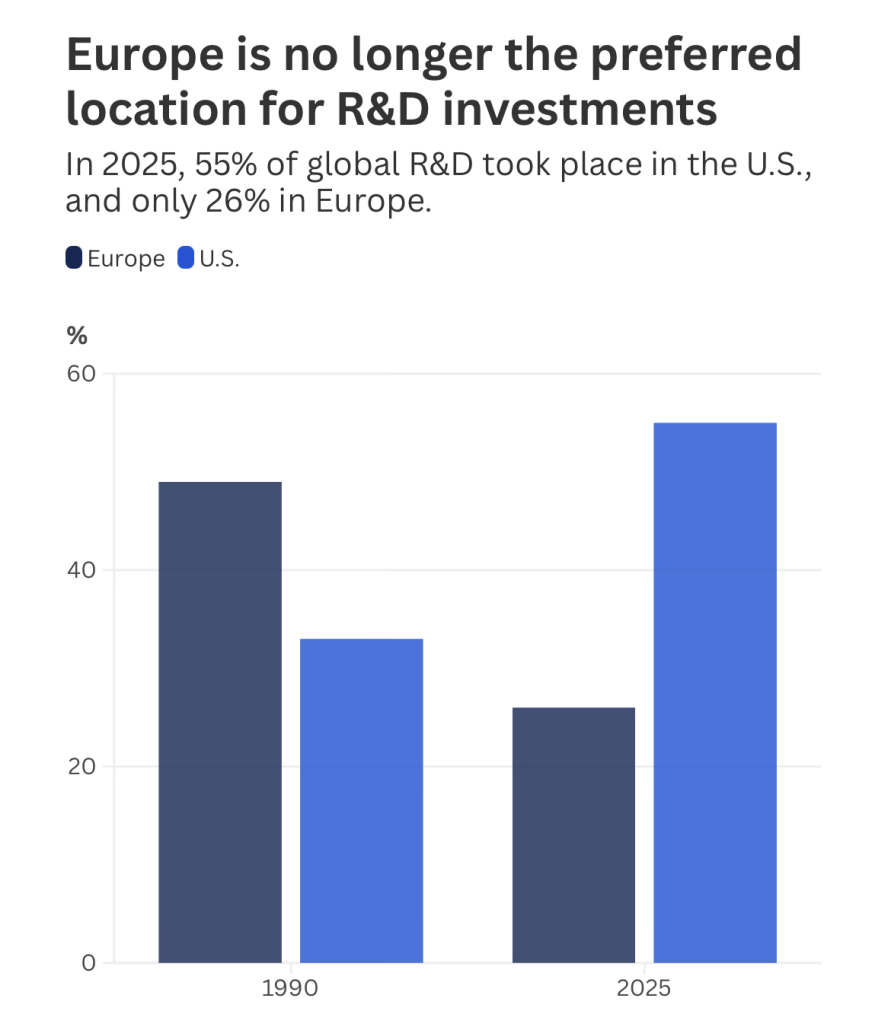
For decades, Europe led global pharmaceutical research and development. However, recent data shows a dramatic shift. While Europe accounted for nearly half of global R&D in 1990, its share has now dropped to around 26%. In contrast, the United States has surged ahead, holding approximately 55% of global R&D activity.
One of the most impactful US measures has been the “most-favored-nation” drug pricing policy. This approach ties US drug prices to the lowest prices available internationally, creating a ripple effect across global markets. Pharmaceutical companies are now reconsidering launching new drugs in Europe first, as lower European prices could directly affect profits in the more lucrative US market.
Adding to the pressure, the United States has introduced tariffs of up to 100% on certain branded drugs. While these tariffs mainly target companies that fail to negotiate price reductions, they signal a broader push to bring pharmaceutical production and supply chains back to American soil.
Meanwhile, China is rapidly becoming a global biotech powerhouse. A decade ago, Chinese-developed drugs made up just 4% of the global pipeline. Today, that figure has surged to nearly one-third, highlighting the country’s growing influence in pharmaceutical innovation.
Global drugmakers are increasingly turning to China not only for manufacturing but also for cutting-edge research and early-stage drug development. This shift is further accelerating Europe’s decline as a preferred destination for investment.
Europe’s challenges are not limited to external competition. Structural issues within the European Union — including fragmented regulations, slower drug approvals, and lower healthcare spending — have made the region less attractive to pharmaceutical companies.
Unlike the US, which offers centralized biotech hubs like Boston and Silicon Valley, Europe operates across multiple regulatory systems, creating complexity and delays. Venture capital funding for biotech firms in Europe is also significantly lower compared to the US, further limiting innovation.
Major pharmaceutical companies such as AstraZeneca, Eli Lilly, and Merck have already scaled back or reconsidered investments in parts of Europe, citing regulatory and economic challenges.
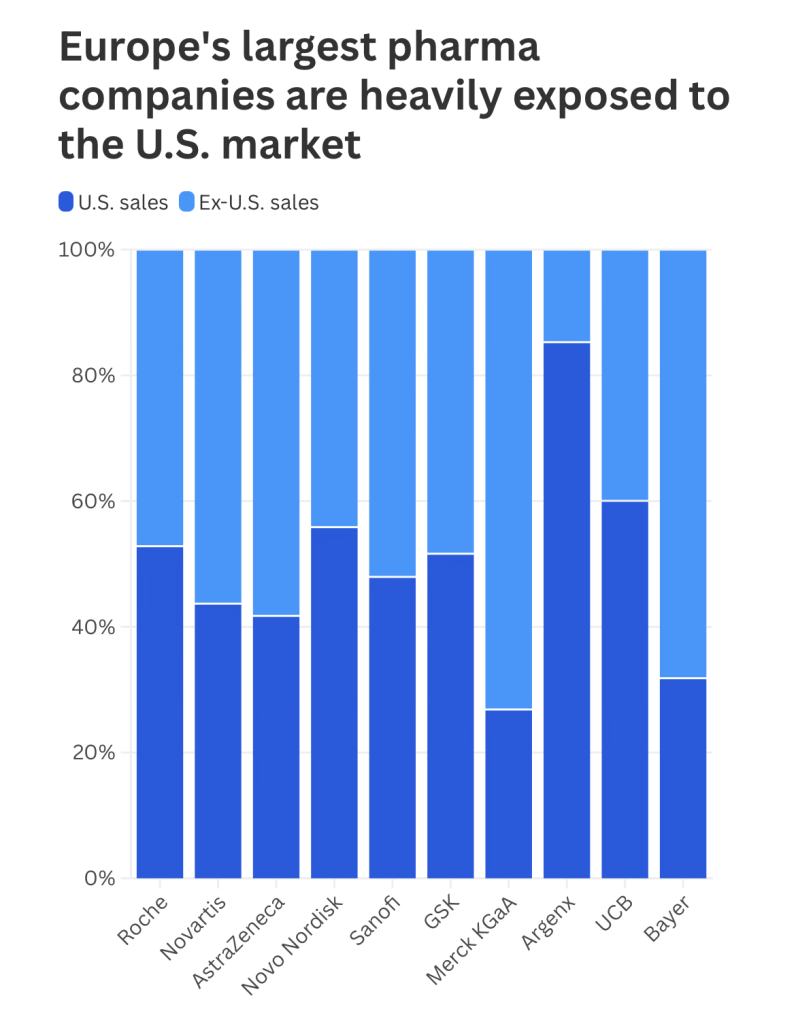
Industry experts warn that unless Europe reforms its policies, increases spending on healthcare innovation, and simplifies regulations, it risks falling further behind in the global pharmaceutical race.
The stakes are high — not just economically, but also for patients. Delays in drug launches could limit access to life-saving treatments across the continent.
As the global pharma landscape shifts, Europe faces a critical moment: adapt to the changing dynamics or risk losing its long-standing position as a leader in medical innovation.