
The United States has claimed that two of its naval destroyers successfully transited the strategically vital Strait of Hormuz as part of a mine-clearing mission, amid ongoing high-level negotiations with Iran in Islamabad.
According to the US Central Command (CENTCOM), the warships USS Frank E Peterson and USS Michael Murphy entered the waterway and operated in the Arabian Gulf to ensure safe passage for global maritime traffic. US Admiral Brad Cooper described the move as a “turning point,” stating that efforts were underway to establish a secure shipping route through the strait.
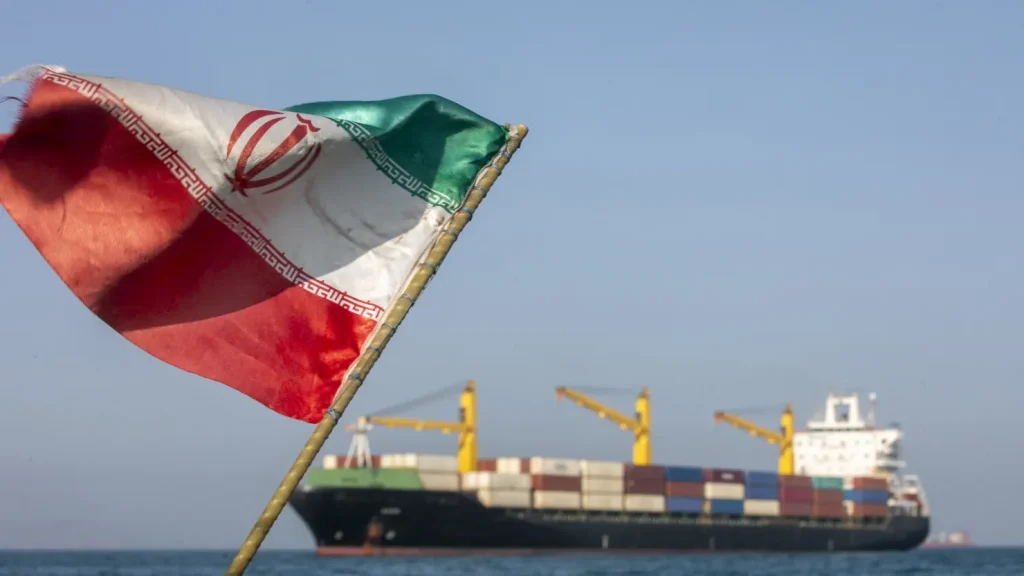
However, Iran swiftly rejected the US claims. A spokesperson for Iran’s Khatam al-Anbiya Central Headquarters denied that any American vessels had entered the strait, asserting that control over all maritime movement remains firmly in the hands of Iran’s armed forces.
The Islamic Revolutionary Guard Corps (IRGC) also issued a warning, stating that any attempt by foreign military vessels to pass through the Strait of Hormuz would be met with a “strong response.”
The Strait of Hormuz remains a critical global chokepoint, with nearly 20% of the world’s oil and natural gas supply passing through it. Since the outbreak of the US-Iran conflict in late February, Iran has effectively restricted access to the waterway, causing major disruptions in global energy markets and sending oil prices soaring.
These developments come as Pakistan hosts crucial “Islamabad Talks” between US and Iranian delegations, aimed at turning a fragile two-week ceasefire into a long-term peace agreement. Control of the strait continues to be one of the most contentious issues in the negotiations.
With both sides presenting conflicting narratives and tensions still high, the situation underscores the fragile nature of the ceasefire and the challenges facing diplomatic efforts in the region.