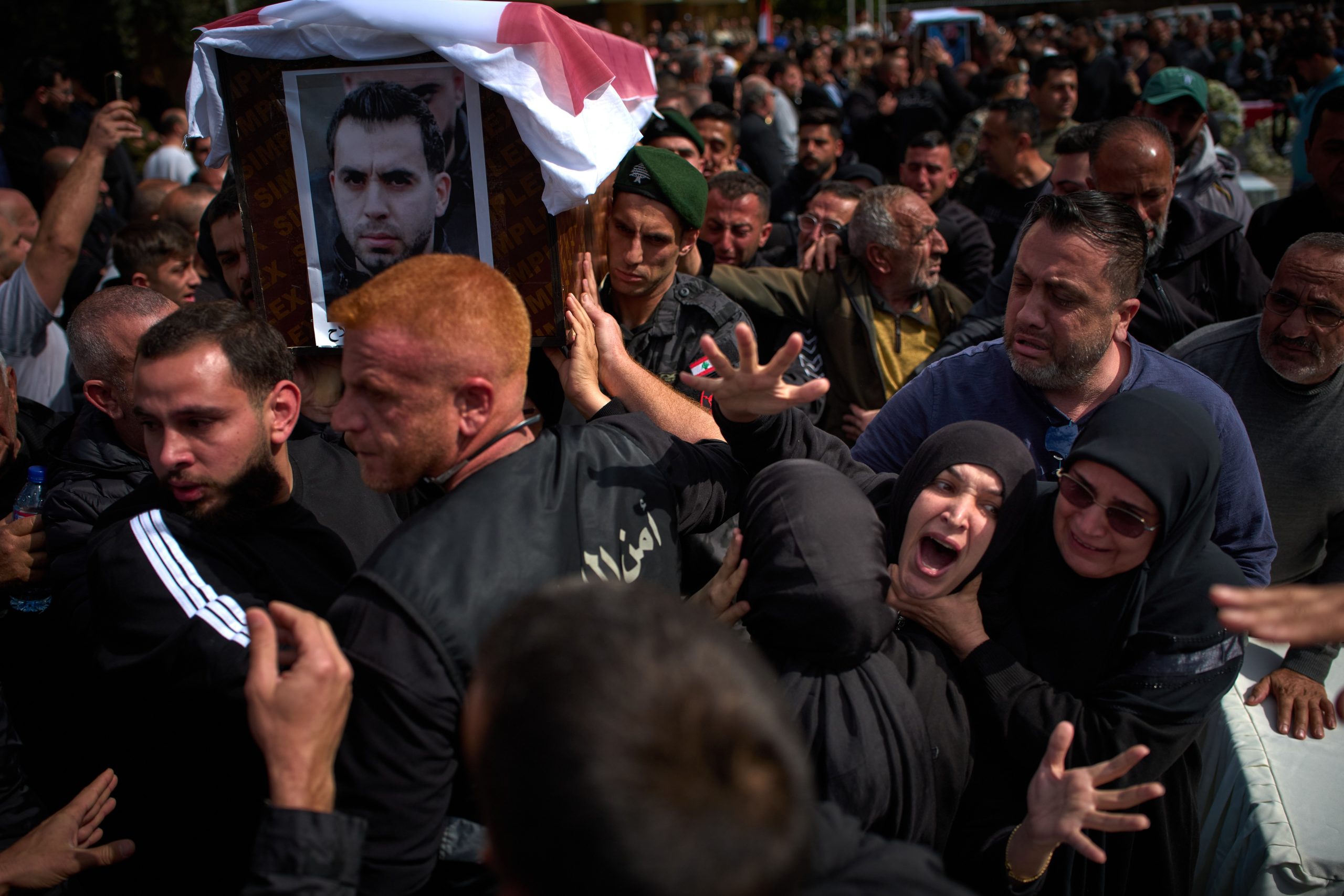

Widespread protests have erupted across Lebanon, including in the capital Beirut, as citizens express strong opposition to the idea of direct talks with Israel amid ongoing violence.
The demonstrations reflect growing public anger, with many rejecting negotiations while Israeli military operations continue to cause destruction in southern regions. However, there is also a sense of fatigue among parts of the population after weeks of intense conflict.
Lebanese Prime Minister Nawaf Salam has postponed his planned visit to Washington, DC, citing the country’s “internal security” situation. The decision highlights fears that rising tensions could trigger internal unrest.
Meanwhile, influential groups like Hezbollah and the Amal Movement have urged their supporters to avoid protests, warning that internal instability could be exploited by Israel.
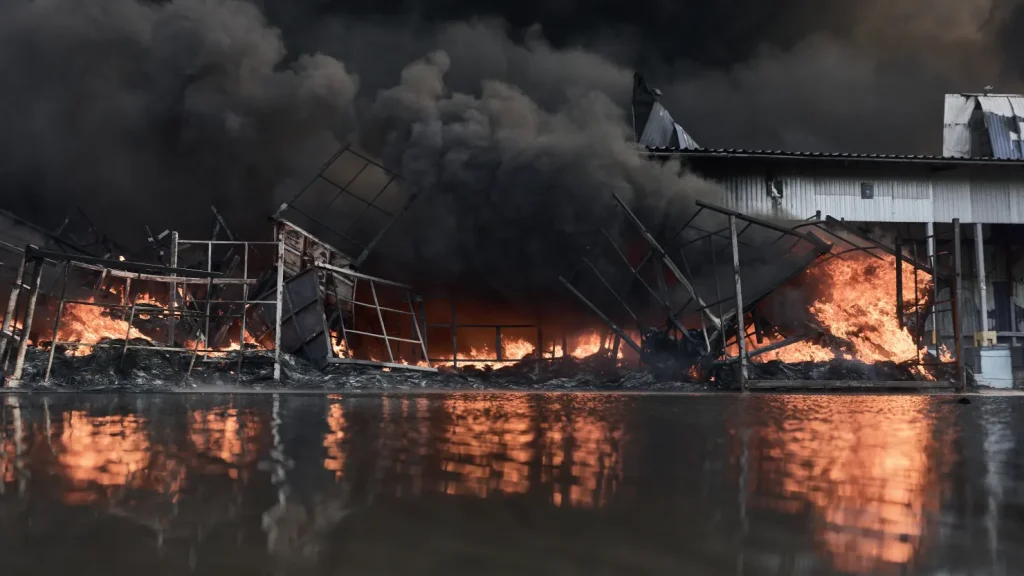
On the ground, Israeli military operations continue with intensity, particularly in southern Lebanon. Reports indicate multiple airstrikes, helicopter gunfire, and the controversial use of white phosphorus in civilian areas.
The town of Bint Jbeil has become a focal point of the conflict. Known as a symbolic stronghold for Hezbollah, it holds both strategic and emotional importance, especially since Israeli forces failed to capture it during the 2006 Lebanon War.
Recent developments suggest that Israeli troops and tanks are now operating on the outskirts and possibly within parts of the town, signaling a potential push for a significant military gain.
While the capital Beirut remains relatively calm for now, residents in southern Lebanon continue to bear the brunt of the escalating violence, as fears grow over both external conflict and internal instability.