
Global oil markets have surged sharply after the United States announced plans to impose a naval blockade on Iran’s ports, following the collapse of high-stakes peace talks.
US crude futures jumped nearly 8% to cross $104 per barrel, while international benchmark Brent crude climbed above $101, reflecting growing fears of a major disruption in global energy supplies.
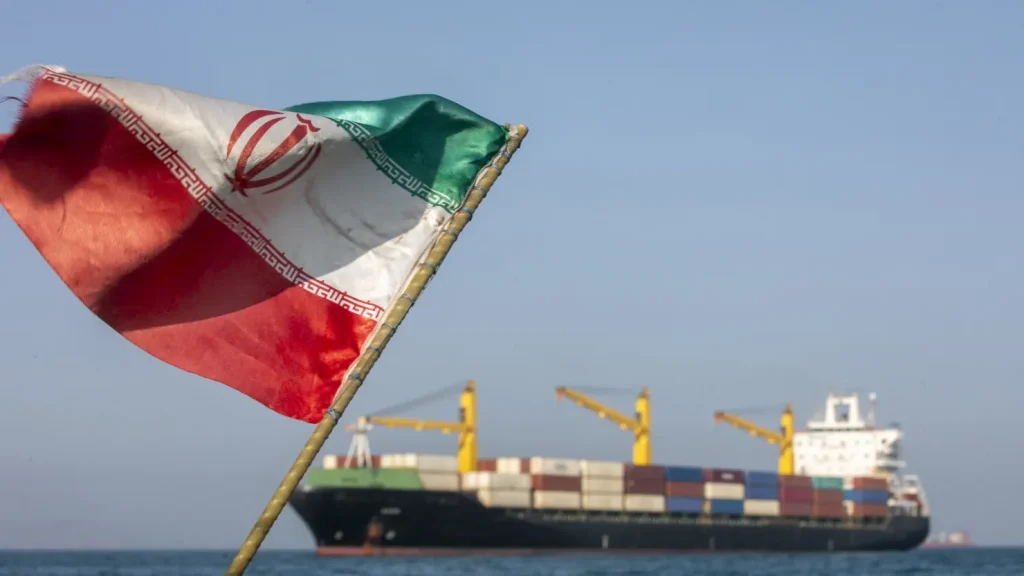
According to US Central Command (CENTCOM), the blockade is set to begin Monday, targeting all maritime traffic entering and exiting Iranian ports across the Arabian Gulf and Gulf of Oman. However, the US clarified that vessels traveling to non-Iranian ports would not be affected.
The move comes after negotiations in Islamabad failed to produce an agreement between Washington and Tehran, further escalating tensions in an already volatile region.
Donald Trump had earlier warned of stronger action, including the possibility of blockading the Strait of Hormuz — a critical global oil route through which around 20% of the world’s energy supply passes.
The US president also indicated that military options, including limited strikes, remain under consideration as efforts to pressure Iran intensify.
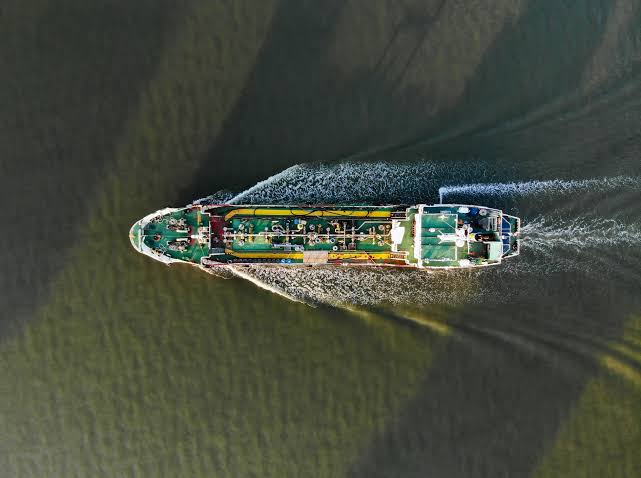
Tanker traffic through the Strait of Hormuz has already dropped significantly due to security concerns, marking one of the largest oil supply disruptions in recent history. While a few supertankers managed to pass through recently, overall activity remains far below normal levels.
On the diplomatic front, JD Vance stated that the talks failed because Iran refused to provide firm assurances regarding its nuclear program. Meanwhile, Mohammad Bagher Ghalibaf maintained that the US failed to gain Iran’s trust during negotiations.
Iranian officials have also emphasized that control over the Strait of Hormuz remains firmly in their hands, adding another layer of uncertainty to global trade and energy flows.
With tensions escalating and no diplomatic breakthrough in sight, the situation poses serious risks not only to regional stability but also to the global economy, as markets brace for further volatility.