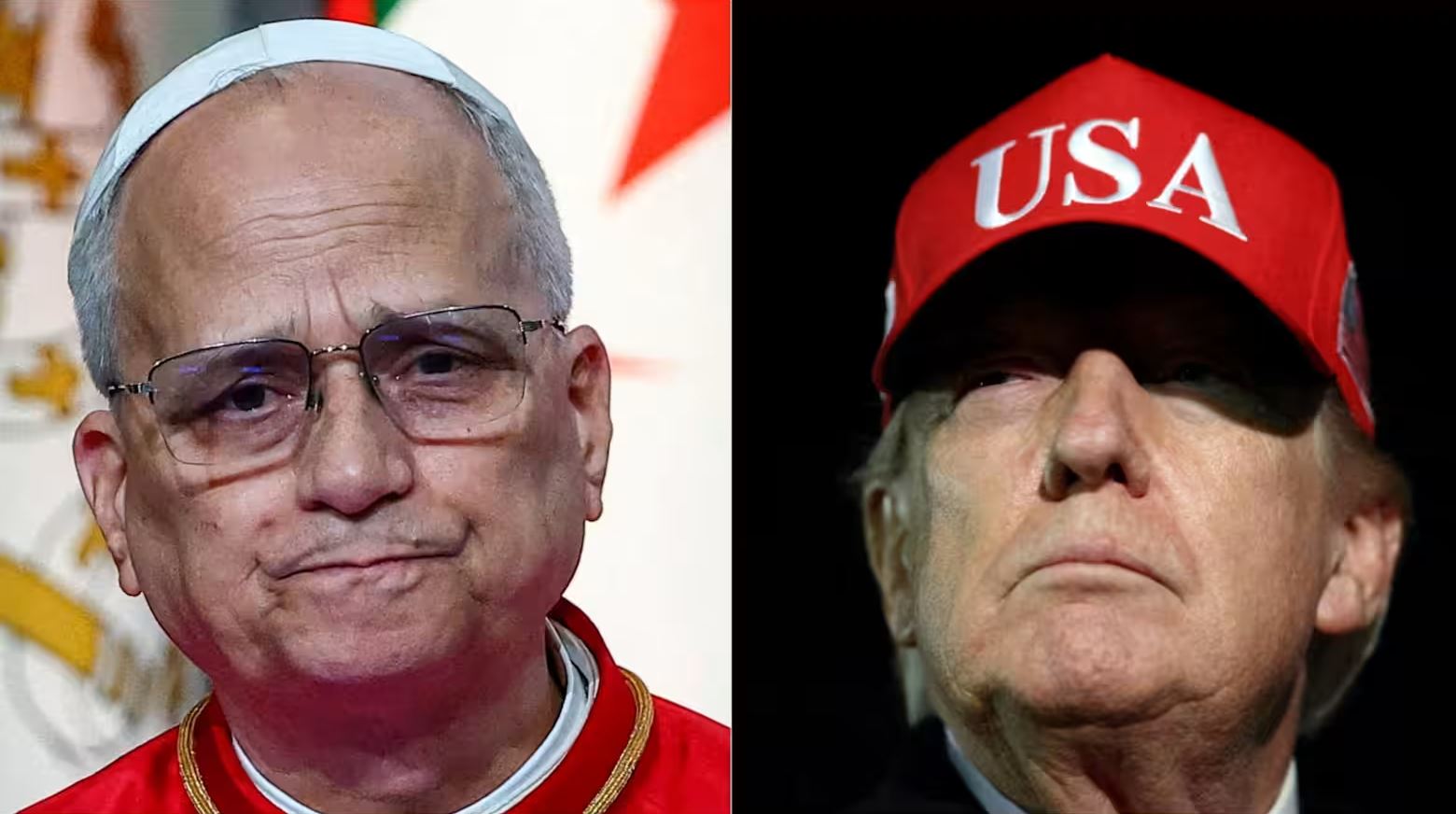

A growing public rift between former US President Donald Trump and Pope Leo is beginning to impact his support among Catholic conservatives, a group that has traditionally backed him strongly.
Tensions between Trump and Catholic leadership are not new. His strict immigration policies have long faced criticism from church leaders, creating divisions between the Catholic hierarchy and more conservative followers in the United States. However, recent developments have intensified the situation significantly.
Over the past 48 hours, backlash has grown after Trump publicly criticized the Pope, describing him as “too liberal” and “weak on crime.” The controversy escalated further when Trump shared an AI-generated image portraying himself in a Christ-like form, sparking widespread criticism across religious and political circles.
What makes this backlash particularly notable is that it is not only coming from liberal critics, but also from prominent conservative Catholic figures who have previously supported Trump.
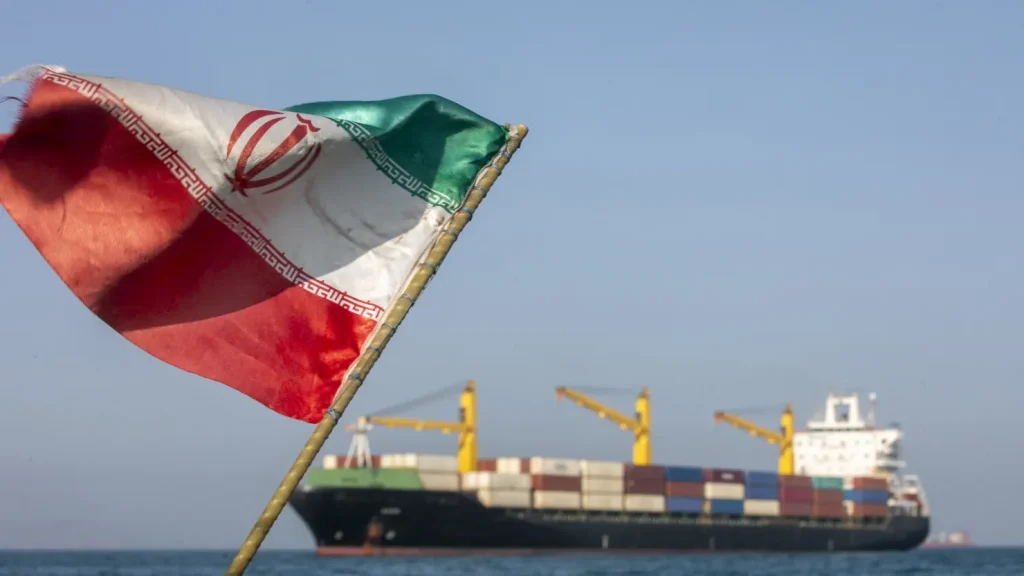
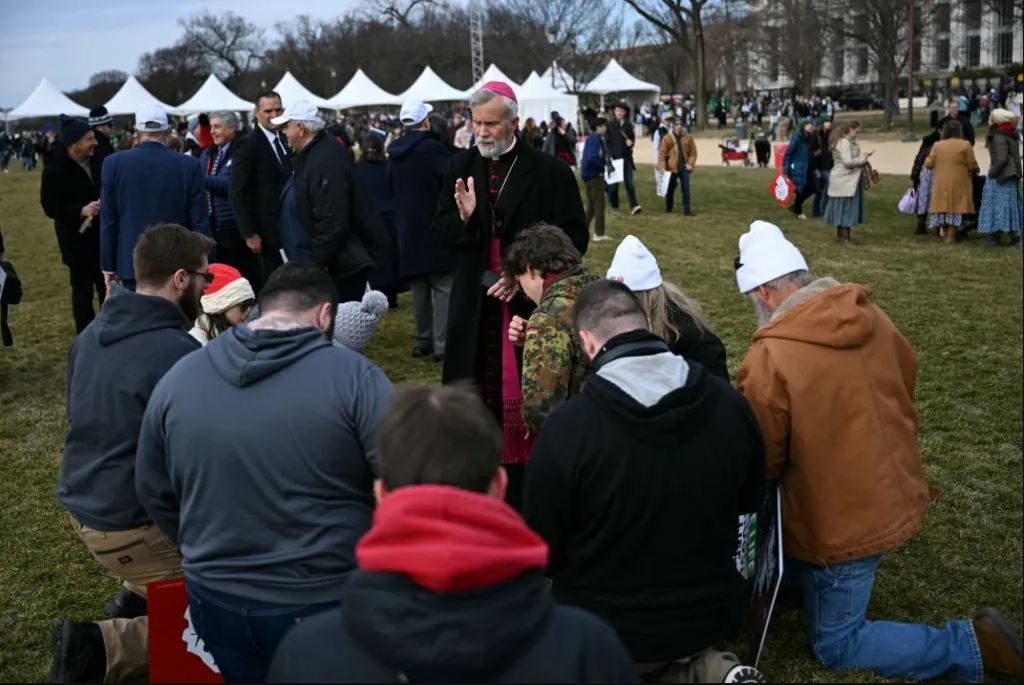
Among them is Joseph Strickland, a well-known conservative bishop and long-time Trump ally. Strickland, who had previously shown strong political support for Trump, has now openly criticized the administration’s stance, particularly regarding the ongoing conflict involving Iran.
Speaking on the issue, Strickland emphasized that moral and religious principles should not be overshadowed by political agendas. He expressed support for the Pope’s call for peace, stating that the current conflict does not meet the criteria of a “just war” under Christian teachings.
“I do not believe this conflict meets the criteria of a just war. I stand with the Holy Father and his call for peace,” Strickland said, highlighting concerns over civilian casualties and humanitarian consequences.
He further warned against the use of religion to justify violence, saying such actions contradict the core values of the faith.
The disagreement reflects a broader divide between the White House and the Vatican, particularly over narratives surrounding the Iran conflict and wider Middle East tensions.
This shift in tone from traditionally loyal supporters suggests that Trump may be facing a gradual erosion of backing within key religious constituencies, especially as moral and geopolitical concerns intersect.
As the debate continues, the fallout highlights the complex relationship between politics, religion, and public perception—especially during times of global conflict.