
The United States and Hamas have held their first direct talks since the Gaza ceasefire, as efforts intensify to revive a fragile agreement that appears increasingly at risk of collapse.
According to sources, the meeting took place in Cairo, where a US delegation led by senior advisor Aryeh Lightstone met with Hamas’ chief negotiator Khalil al-Hayya. Also present was Nickolay Mladenov, representing the US-backed peace framework for Gaza.
The discussions come at a critical time, as the ceasefire—brokered in October after two years of conflict—faces serious challenges. While the truce initially halted large-scale fighting in Gaza, both sides have accused each other of failing to fully implement agreed terms.
During the talks, al-Hayya reportedly emphasized that progress to the next phase of the ceasefire depends on Israel fulfilling its commitments under the first phase. These include halting military strikes and allowing increased humanitarian aid into Gaza.
In recent days, US officials have also engaged with Benjamin Netanyahu to secure Israel’s compliance with the agreement. However, one of the key sticking points remains Israel’s demand that Hamas agree to disarm before further steps are taken.
Negotiations involving international mediators have focused on a broader roadmap that includes Hamas’ disarmament, the deployment of an international force in Gaza, and the eventual withdrawal of Israeli troops. Despite multiple rounds of talks, little progress has been made due to deep disagreements over sequencing and priorities.
Hamas officials have rejected proposals they view as one-sided, arguing that they prioritize Israeli security concerns while delaying Palestinian humanitarian and political needs. The group insists that Israel must first meet its obligations before any discussion of disarmament can proceed.
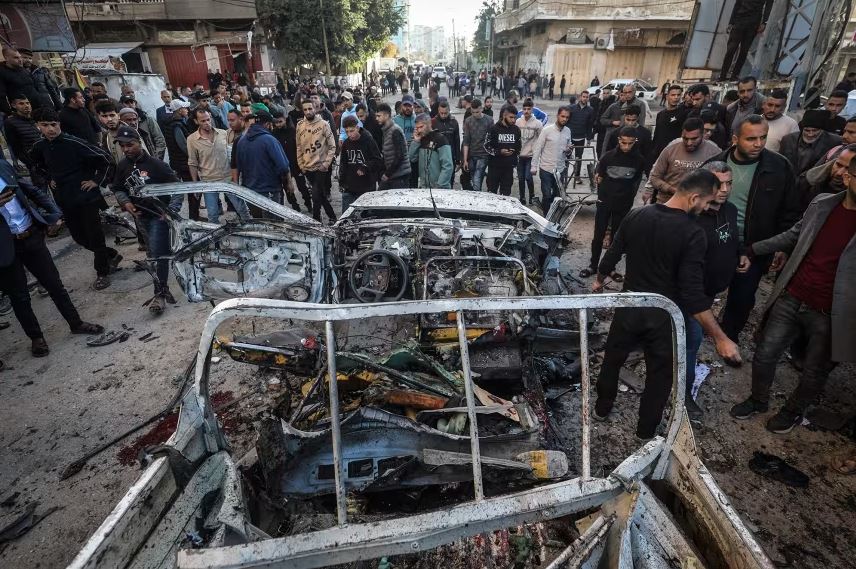
Meanwhile, violence has not fully subsided. According to Palestinian health authorities, hundreds of people have been killed in Gaza since the ceasefire began, amid continued Israeli strikes—claims that Israel disputes while accusing Hamas of its own violations.
The role of mediators has also come under scrutiny. Hamas sources allege that international representatives have increasingly echoed Israeli demands, even warning that failure to reach an agreement could lead to a resumption of full-scale war.
The outcome of these renewed direct talks remains uncertain, but they signal a significant diplomatic development. With tensions still high and trust between the parties deeply strained, the path toward a lasting ceasefire and political resolution in Gaza remains complex and fragile.