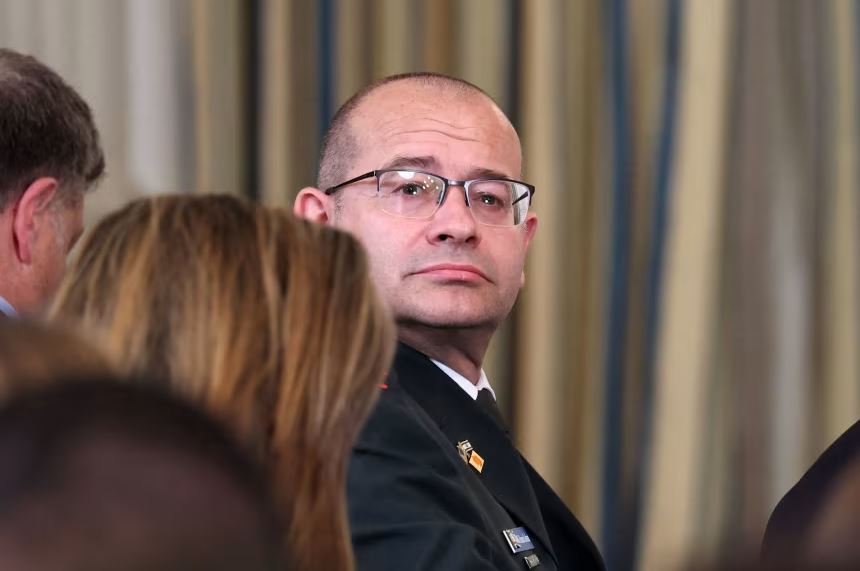

The incoming head of Israel’s intelligence agency Mossad, Roman Gofman, reportedly believed that a war with Iran could lead to the rapid collapse of the Iranian government, according to Israeli sources familiar with internal discussions.
Gofman, who currently serves as military secretary to Prime Minister Benjamin Netanyahu, is expected to assume leadership of Mossad in June for a five-year term, replacing outgoing chief David Barnea.
According to multiple Israeli security sources, Gofman conveyed during strategic planning discussions that the Iranian regime could potentially be toppled through sustained military pressure. This assessment was reportedly aligned with views previously held within parts of Mossad leadership but has so far proven inaccurate after more than 40 days of ongoing conflict.
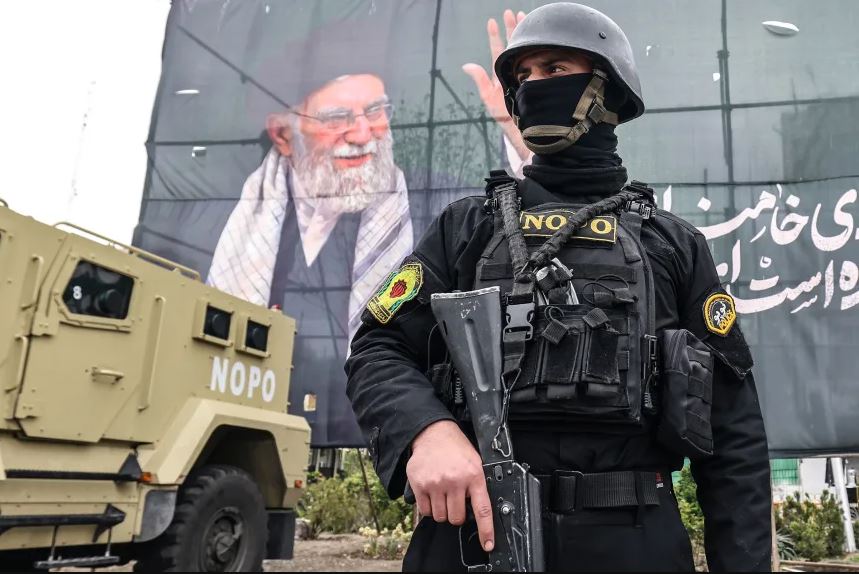
Former Mossad chief Barnea was also reported to have supported a strategy aimed at destabilizing Iran’s leadership through targeted operations, intelligence activity, and psychological pressure. The broader assumption was that such measures could encourage internal unrest and accelerate regime change.
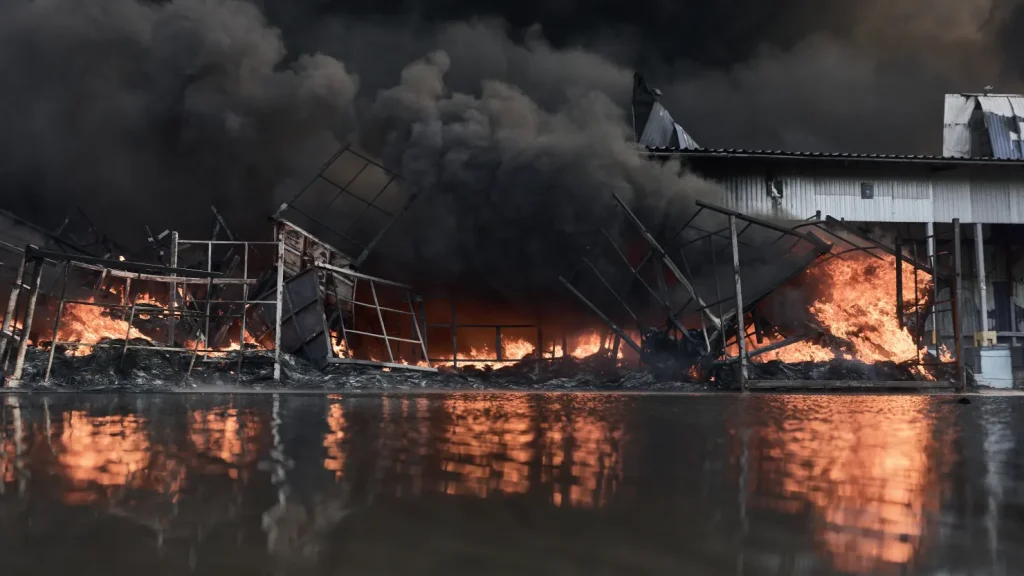
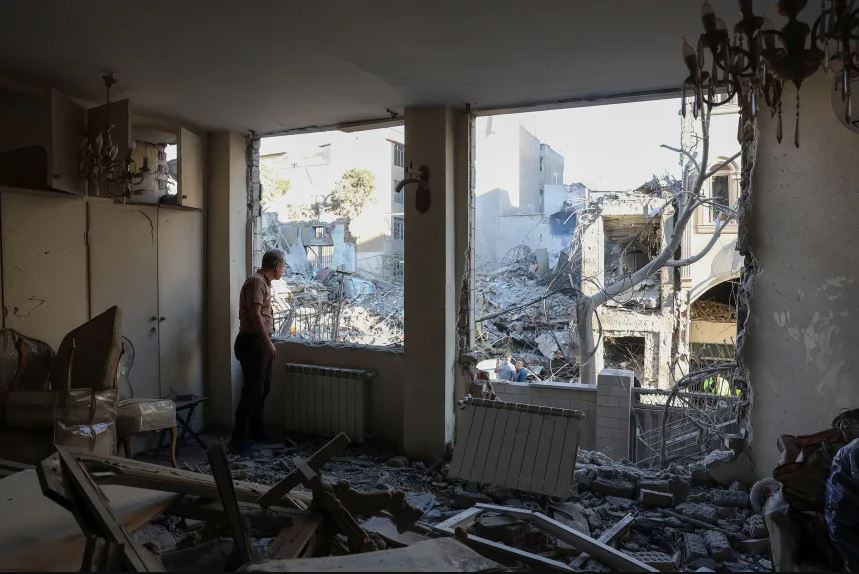
However, despite significant military strikes and infrastructure damage during the conflict, no major political shift has occurred in Tehran. Iran’s leadership structure remains intact, with hardline elements reportedly strengthening their position in the aftermath of the war.
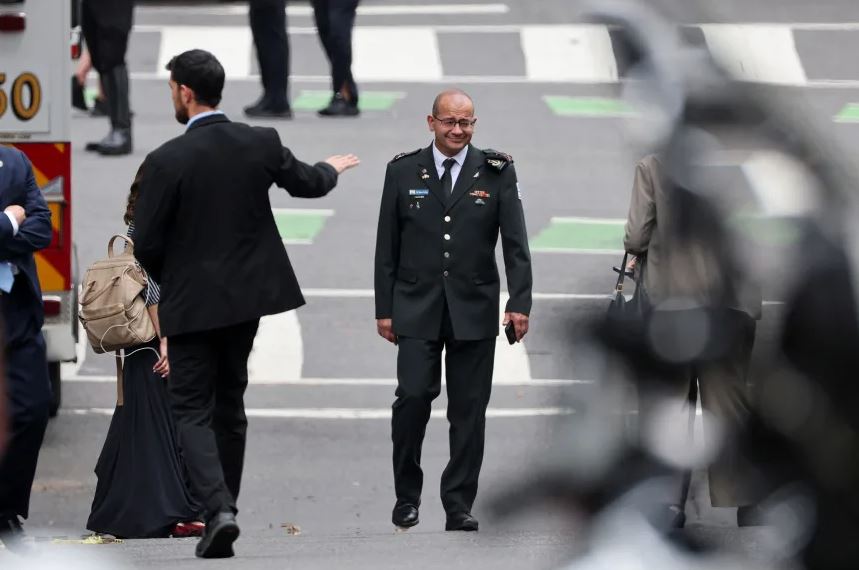
The situation has highlighted differing strategic approaches within Israel’s security establishment. While Mossad reportedly leaned toward an ambitious regime-change strategy, the Israel Defense Forces (IDF) were said to favor more limited objectives focused on weakening Iran’s capabilities rather than expecting political collapse.
Gofman, a former armored corps officer who was seriously wounded during the October 7 attacks, has played a key role in military planning across multiple fronts, including operations involving Iran, Gaza, Lebanon, and Syria. His close relationship with Netanyahu and involvement in high-level decision-making have made him a central figure in Israel’s post-war security restructuring.
Critics, however, question his lack of traditional intelligence experience, noting that Mossad leadership typically comes from within the agency’s long-serving ranks. Some analysts argue that his appointment reflects political loyalty as much as strategic expertise.
Veteran defense observers have also raised concerns that expectations of rapid regime change in Iran were overly optimistic, pointing to the resilience of Iran’s security and political institutions despite sustained pressure.
The appointment of Gofman comes amid broader changes in Israel’s security leadership following the October 7, 2023 attacks. Nearly all senior defense officials have since been replaced or have stepped down, marking a significant reshaping of Israel’s military and intelligence command structure.
As Gofman prepares to take charge of Mossad, questions remain over Israel’s long-term strategy toward Iran and whether earlier assumptions about regime collapse will be reassessed in light of recent developments.