
War Drives Cultural Fascination Between China and Iran
As conflict involving Iran intensifies global tensions, an unexpected trend is emerging in China — a surge in public interest in Iranian culture, history, and identity.
From museum exhibitions to book sales and university libraries, curiosity about Iran is growing rapidly, reflecting both cultural connections and shifting geopolitical sentiments.
Museum Exhibitions Draw Record Crowds


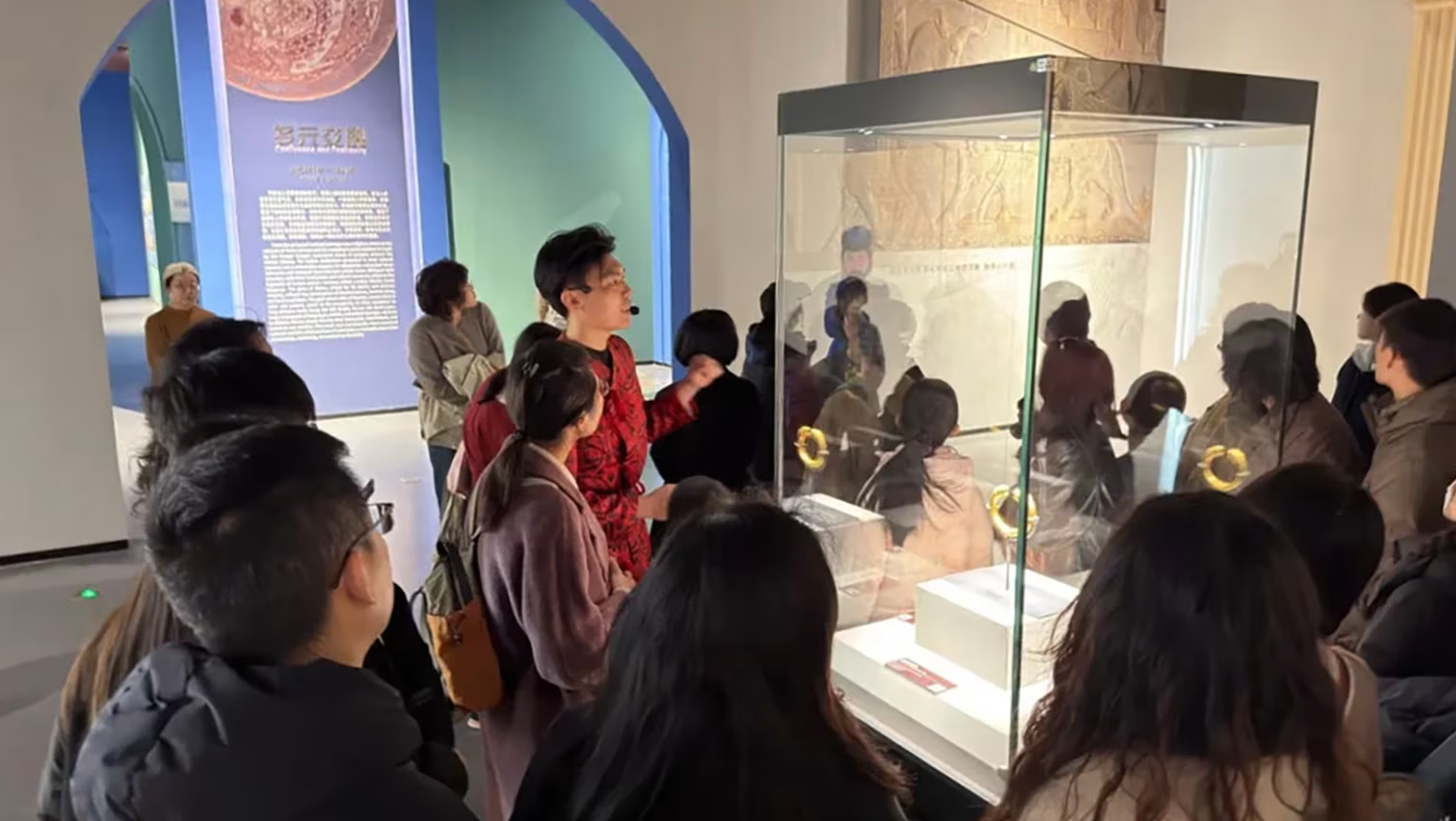
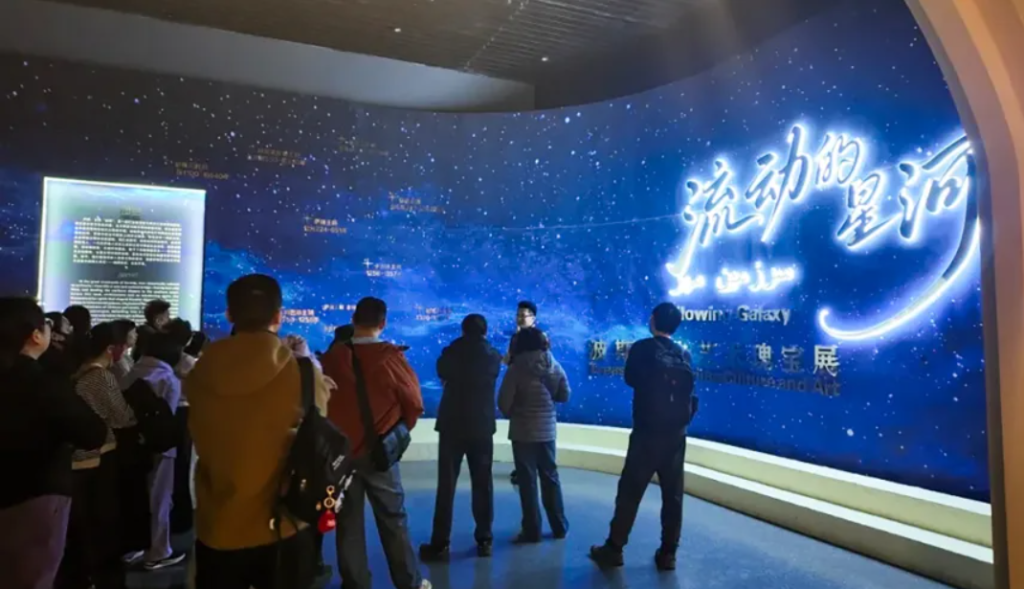
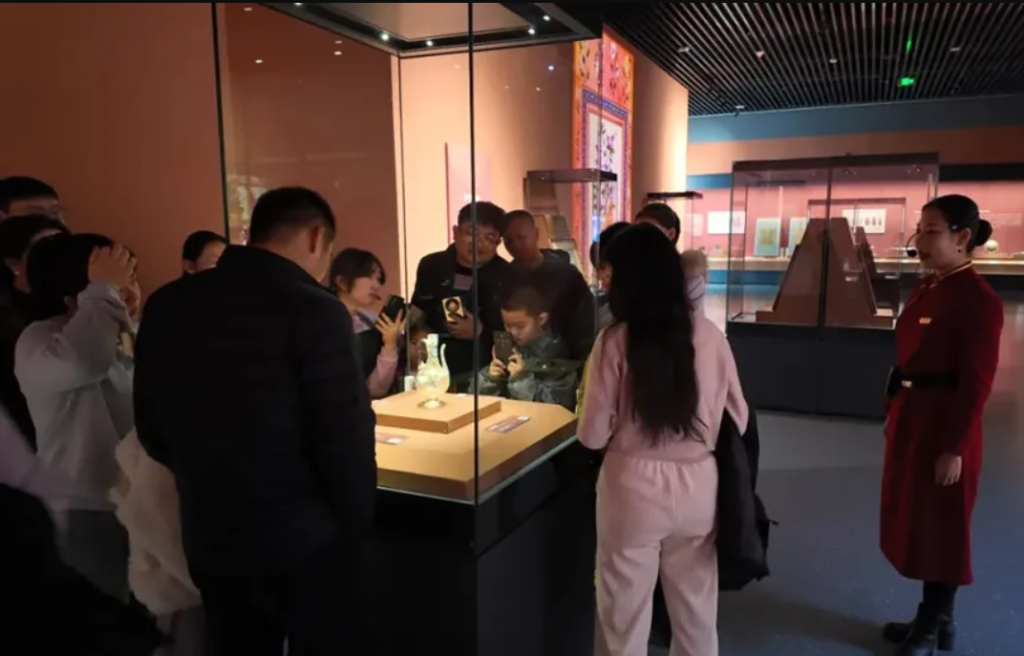
In the northern Chinese city of Hohhot, an exhibition showcasing more than 150 Iranian artifacts — including intricate carpets and floral-patterned glassware — has seen a surge in visitors since the outbreak of war.
Originally scheduled to end earlier, the exhibition was extended due to overwhelming public demand, highlighting a growing fascination with Iran’s ancient civilization.
Curators say the conflict has deepened emotional connections, with many visitors expressing concern over damage to historic sites such as Golestan Palace.
Ancient Civilizations Create a Cultural Bridge


Both China and Iran trace their roots back thousands of years, fostering a sense of shared identity rooted in ancient civilizations.
Sites like Persepolis — a symbol of the Achaemenid Empire — represent a heritage that resonates strongly with Chinese audiences, who take pride in their own long civilizational history.
This historical connection is further reinforced by the ancient Silk Road, which once linked the two regions through trade and cultural exchange.
Books and Media on Iran See Surge in Demand
Interest is not limited to museums. Bookstores and universities across China are reporting a spike in demand for literature on Iran.
One standout example is the graphic novel Persepolis by Marjane Satrapi, which explores life during Iran’s 1979 revolution and has recently regained popularity.
Students and professionals alike are turning to books and documentaries to better understand:
- Iran’s history and society
- The causes of the ongoing conflict
- The broader geopolitical implications
Shared Distrust of the US Shapes Perception
Beyond cultural curiosity, geopolitical dynamics are also influencing public sentiment.
Many Chinese observers perceive parallels between China and Iran — particularly in their complicated relationships with the United States.
For some, this shared experience of tension with the US has reinforced a sense of alignment, fueling empathy toward Iran during the conflict.
War’s Global Impact Driving Awareness
The conflict’s ripple effects on global markets — especially energy prices and supply chains — are also prompting interest.
With rising oil prices affecting economies worldwide, Chinese citizens are increasingly aware of how events in the Middle East could influence their own daily lives.
Humanizing Iran Beyond Politics
Curators and cultural experts emphasize that the growing interest goes beyond politics.
They hope the exposure to Iranian culture will help Chinese audiences see the country through a human lens — as a society with its own traditions, struggles, and aspirations.
As one curator noted, the goal is to remind people that “Iranians are people just like us,” fostering cultural understanding in a time of conflict.