
Russia is witnessing rising public frustration as authorities tighten control over the internet, sparking fears of a growing “digital Iron Curtain” under President Vladimir Putin.
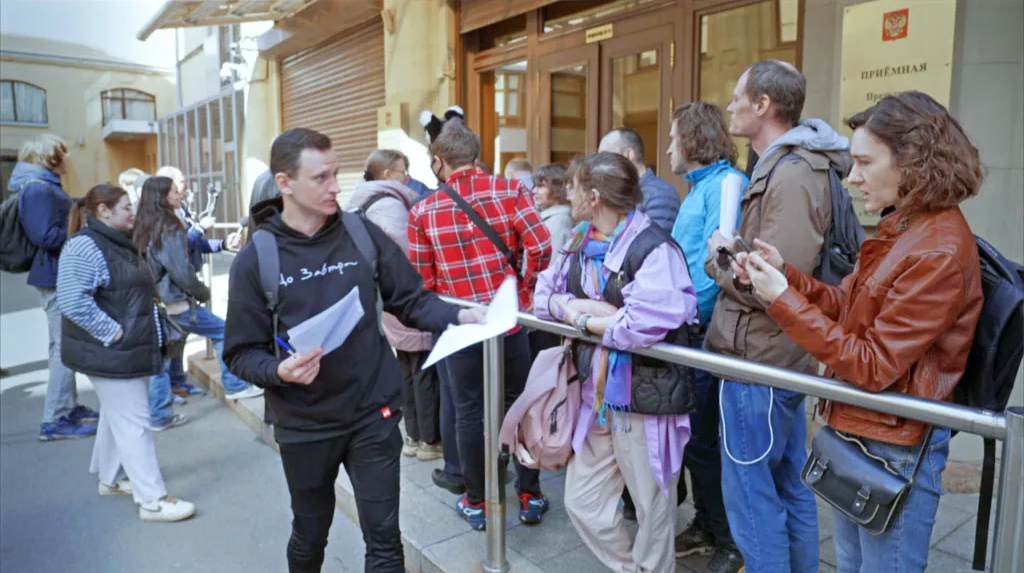
In Moscow, dozens of citizens recently queued outside the presidential administration building to submit petitions demanding an end to increasing internet restrictions. While such petitions are technically legal, participants admitted they were afraid, as security forces filmed them during the process.
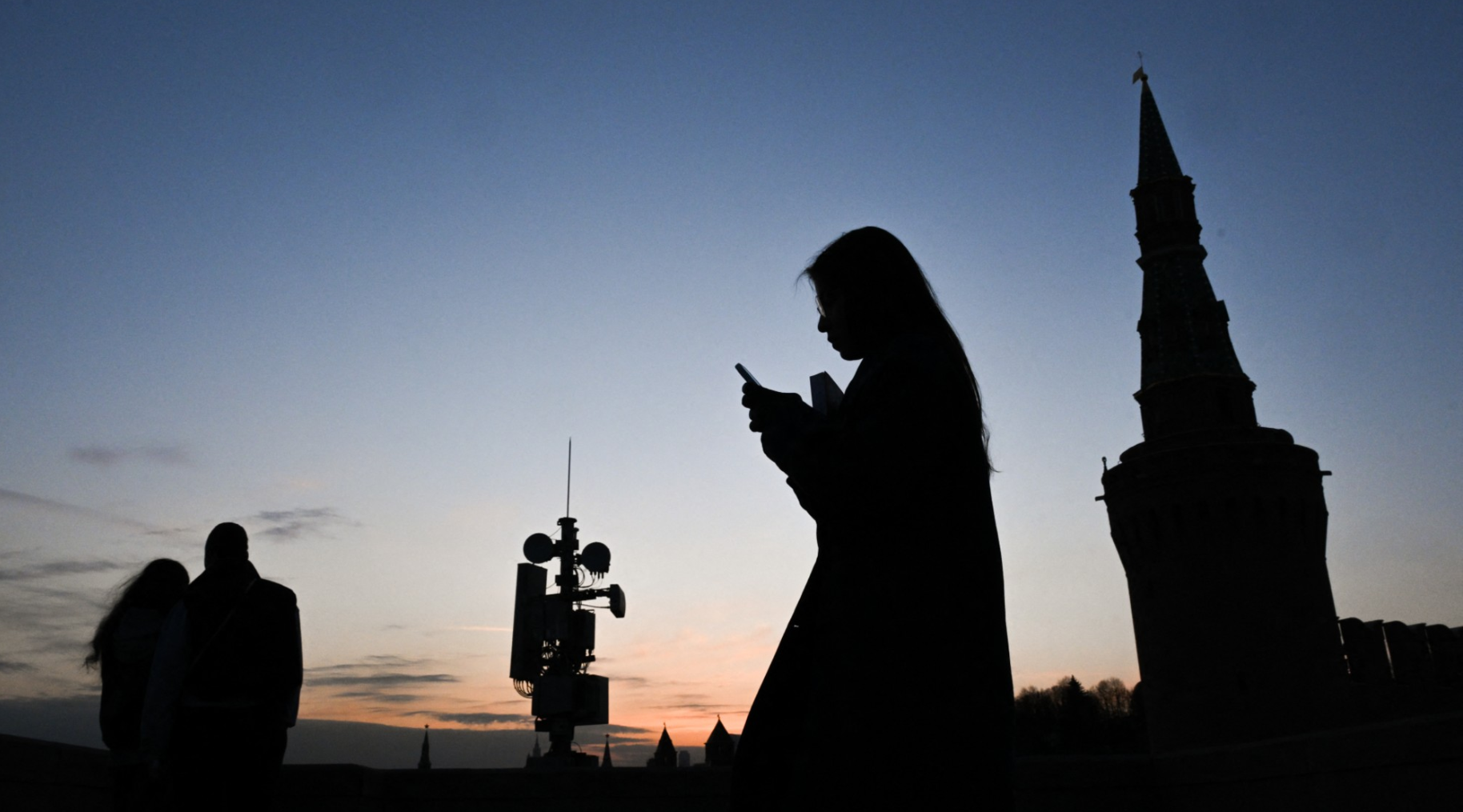
The Russian government has restricted access to major global messaging platforms like WhatsApp and Telegram, while also targeting VPN services used to bypass censorship. Officials claim these measures are necessary for national security, including disrupting drone attacks linked to the war in Ukraine.
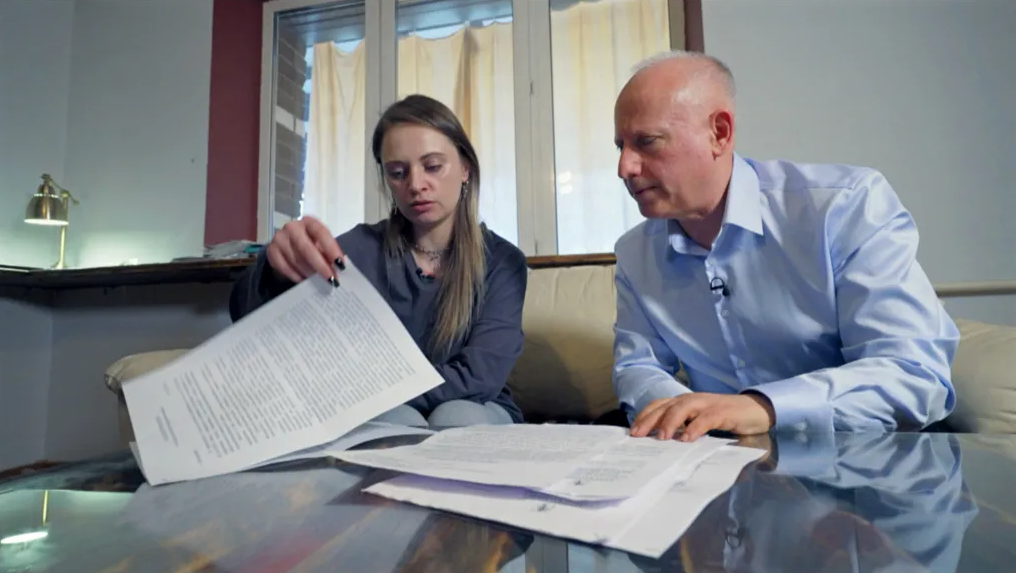
However, the impact on daily life and business has been severe. Small business owners report losing revenue as websites and communication tools become unreliable. Many services—from taxi apps to online payments—have been disrupted, frustrating millions who rely on digital platforms.
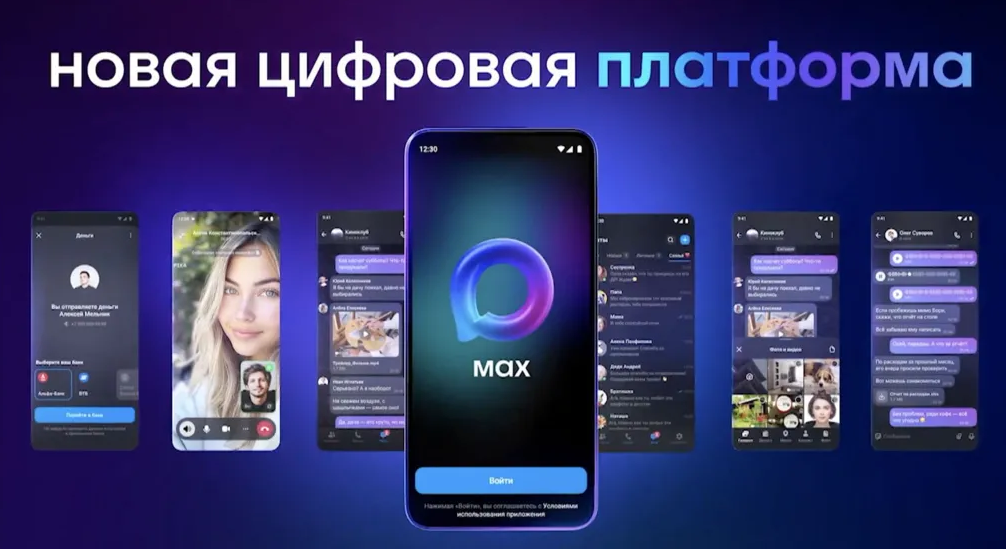
Authorities are also promoting a state-backed messaging service called MAX as part of a broader push toward a “sovereign internet.” Critics fear it could enable government surveillance and further limit freedom of expression.
Activists attempting to protest these restrictions have faced repeated obstacles. Demonstrations have been denied permits across multiple cities, often citing unusual reasons such as street cleaning or security risks. Some organizers reported police visits and warnings against participating in public gatherings.
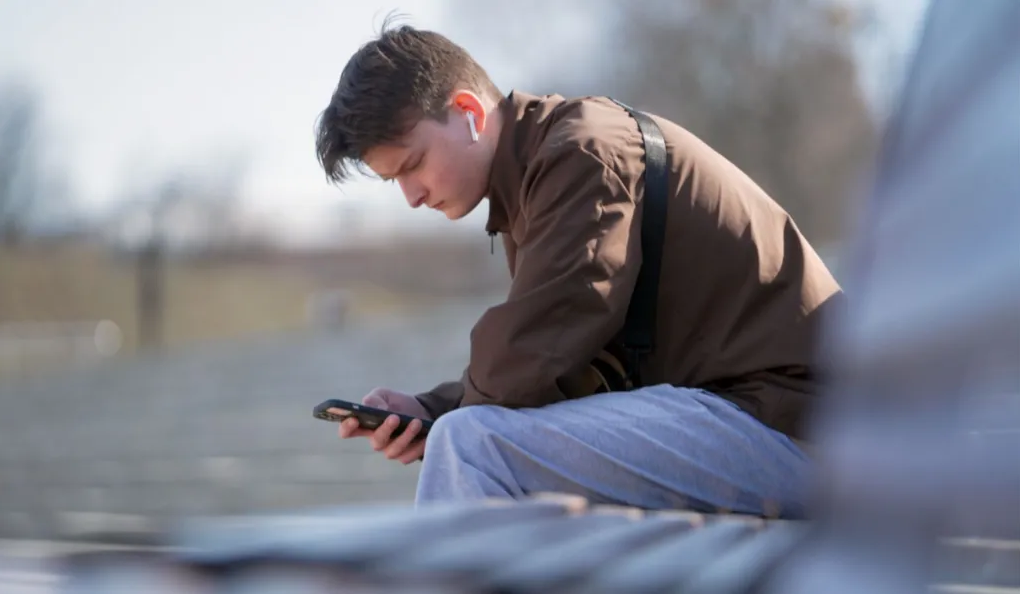
Despite official assurances from Kremlin spokesperson Dmitry Peskov that restrictions are temporary and necessary, many Russians believe the measures are becoming permanent. Independent media access is shrinking, and in some areas, only state-approved websites function properly on mobile networks.
Experts warn that while the government aims to control information flow, the growing inconvenience and economic impact could deepen public dissatisfaction. Recent surveys indicate declining approval ratings for Putin, with concerns over the economy and prolonged war adding to the unrest.
For many citizens, the situation feels like a step backward. Yet, as history has shown, Russians continue to adapt—though uncertainty about the future remains high.