

A shocking case has emerged involving a US special forces soldier accused of using classified military intelligence to make over $400,000 through online betting.
According to the US Department of Justice, Gannon Ken Van Dyke — an active-duty soldier stationed at Fort Bragg — allegedly placed multiple bets on a prediction platform using sensitive information about a secret US military operation.
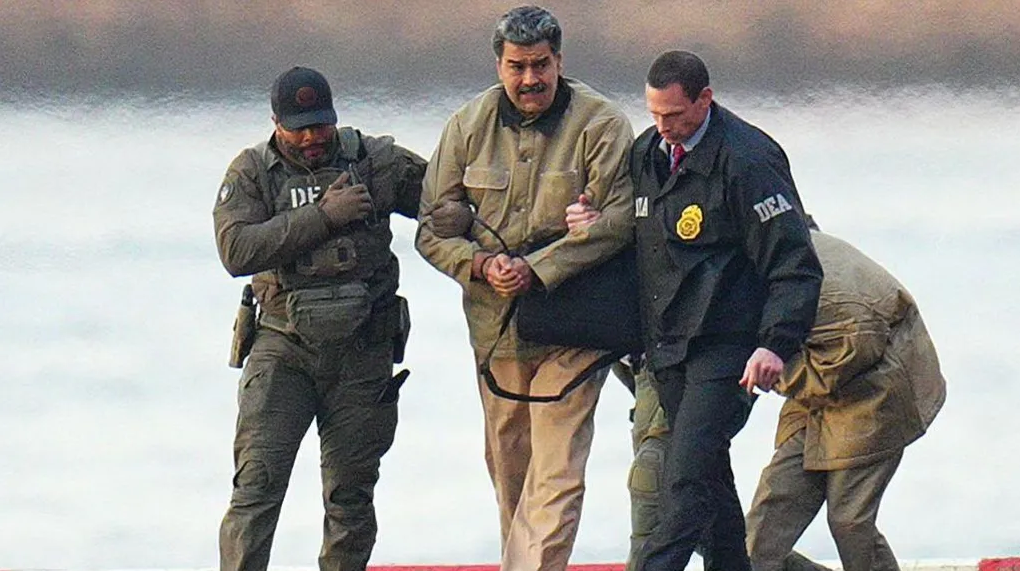
The operation, reportedly known as Operation Absolute Resolve, led to the capture of Venezuelan leader Nicolas Maduro on January 3, 2026. Prosecutors say Van Dyke was directly involved in planning and execution, giving him access to classified, non-public information.
Using that insider knowledge, he allegedly wagered more than $30,000 on the crypto-based platform Polymarket, correctly predicting outcomes related to Maduro’s removal. These bets ultimately generated profits exceeding $400,000.
Authorities described the act as a clear case of insider trading and a serious breach of trust. “Classified information must never be used for personal financial gain,” officials emphasized, noting that military personnel are bound by strict confidentiality agreements.
Van Dyke now faces multiple charges, including wire fraud, commodities fraud, theft of government information, and unlawful financial transactions. If convicted, he could face decades in prison.
The case is believed to be one of the first major prosecutions involving insider trading on prediction markets — platforms where users bet on real-world events such as elections, conflicts, or political outcomes.
The incident has sparked wider debate about the risks of prediction markets being exploited by individuals with access to confidential or government-sensitive information.
Even Donald Trump reacted cautiously, expressing concern about the growing trend of betting on geopolitical events, saying the world is becoming “somewhat of a casino.”
As investigations continue, the case raises serious questions about accountability, national security risks, and whether stricter regulations are needed to prevent similar abuses in the future.