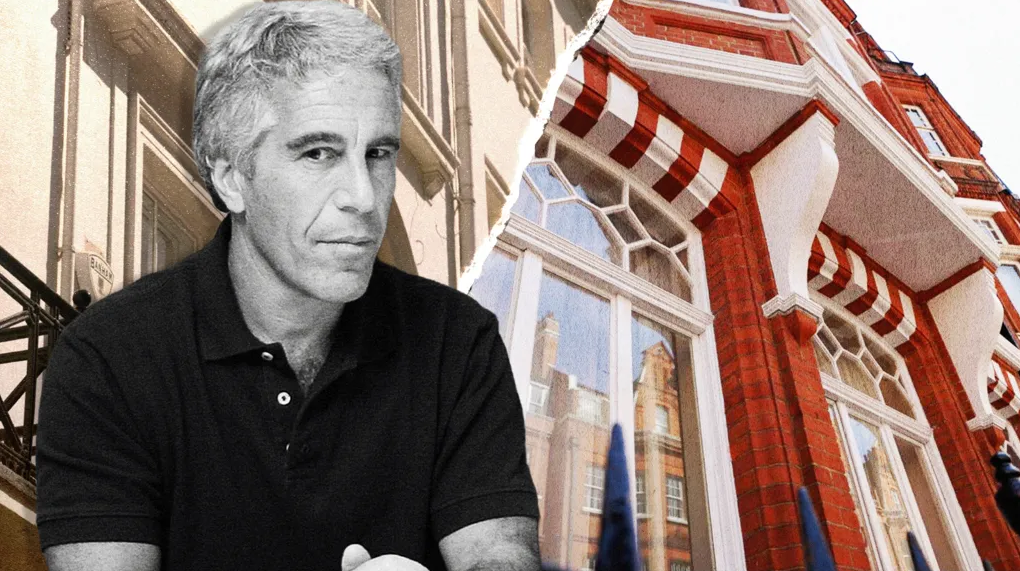

A major investigation has revealed that disgraced financier Jeffrey Epstein housed multiple abuse victims in luxury flats across London, even after UK authorities chose not to pursue formal investigations.
The findings, based on millions of documents from the U.S. Department of Justice, show that Epstein rented at least four properties in the affluent borough of Kensington and Chelsea. These flats were used to accommodate young women, many of whom later came forward alleging abuse, coercion, and trafficking.
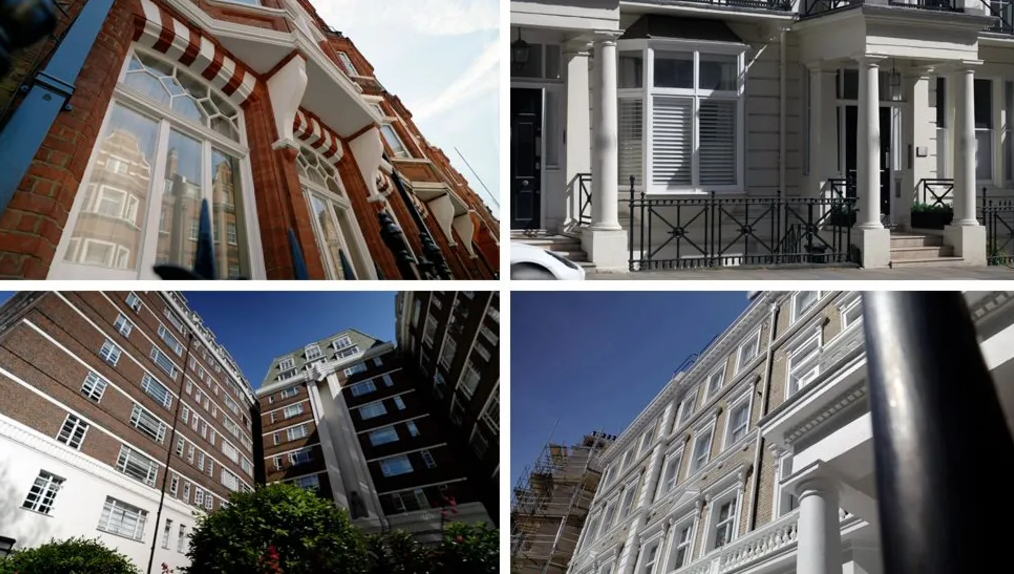
Despite serious allegations made as early as 2015 by Virginia Giuffre, the Metropolitan Police did not open a full criminal investigation. Officials maintain they followed “reasonable lines of inquiry,” but critics argue crucial opportunities were missed.
Documents reveal that Epstein’s operation in London was highly organized. Women were often flown or transported via Eurostar between the UK and France, with at least 53 recorded trips between 2011 and 2019. Some victims were allegedly pressured to recruit others into the network, expanding what investigators describe as a broader trafficking system.

Emails and financial records also indicate that Epstein remained closely involved in the lives of these women — paying rent, funding education, and controlling daily expenses. In some cases, victims were given monthly allowances and expected to comply with his demands in return.
The investigation further highlights that Epstein’s associate Ghislaine Maxwell and several UK-based contacts played roles in managing logistics, including transport, housing, and communication.
Legal experts say the scale of the operation raises serious concerns about systemic failures. Human rights lawyer Tessa Gregory described the lack of a UK investigation as “staggering,” emphasizing that authorities have a legal obligation to act in cases of suspected human trafficking.

Former UK anti-slavery commissioner Kevin Hyland also criticized the response, stating that financial tracking, travel monitoring, and digital evidence could have exposed the network earlier.
The case continues to raise troubling questions: who else was involved, how extensive the network truly was, and whether similar operations may still be active.

Calls are now growing for a full public inquiry into how Epstein was able to operate in the UK for years without facing prosecution — and whether institutional failures allowed his abuse network to expand unchecked.