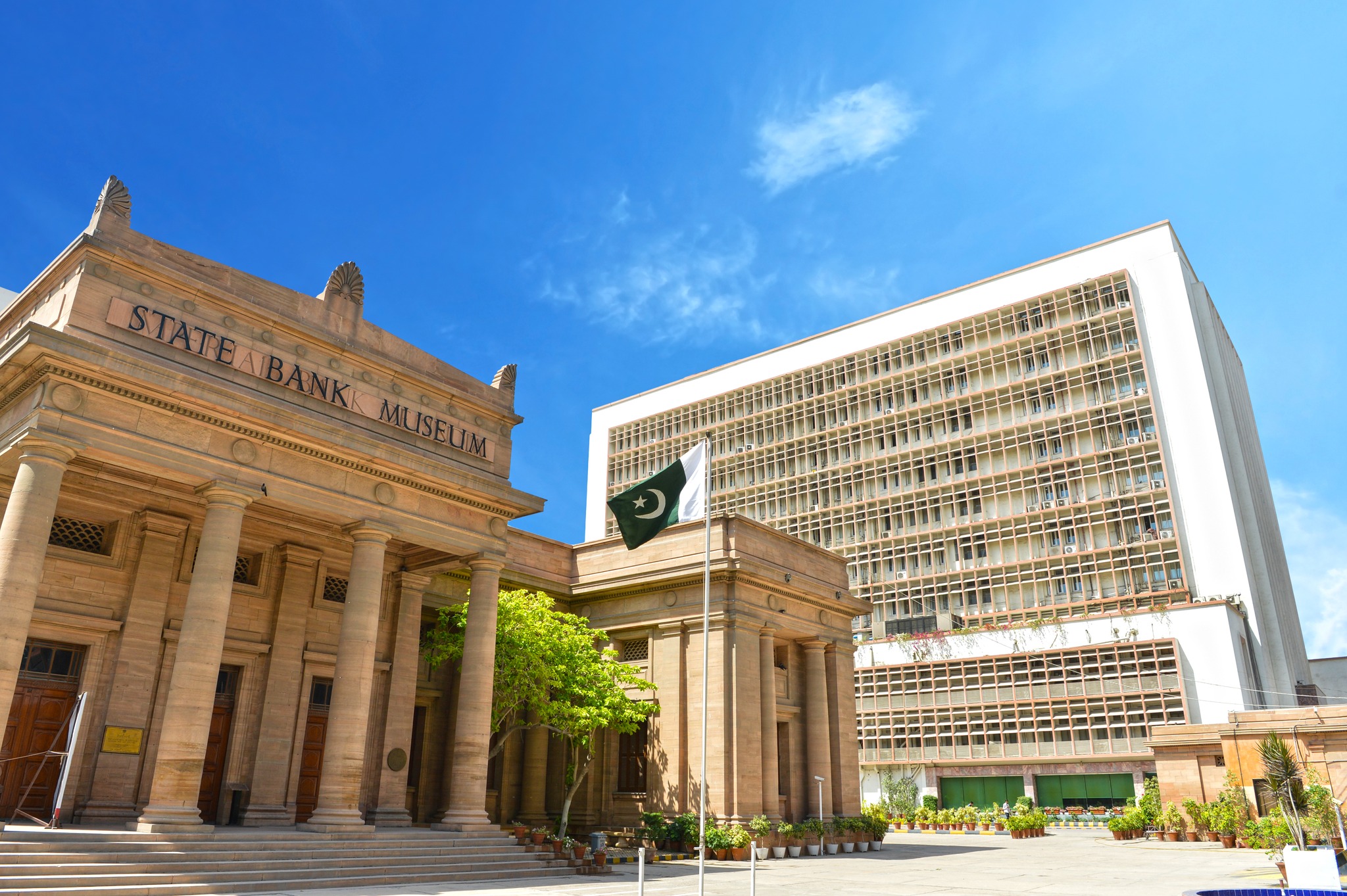

The State Bank of Pakistan (SBP) has increased its benchmark policy rate by 100 basis points, raising it to 11.5%, in a move aimed at managing rising inflation risks and external economic pressures.
The Monetary Policy Committee met on Monday and decided on cautious tightening as global oil price volatility and geopolitical tensions continue to create uncertainty for Pakistan’s economy. The decision was closely watched, with analysts divided on whether the central bank would hold rates or increase them.
Inflation in Pakistan has recently shown signs of acceleration. The Consumer Price Index (CPI) rose to 7.3% year-on-year in March, compared to 7% in February. This has pushed inflation beyond the State Bank’s target range of 5% to 7%, raising concerns about further price pressures in the coming months.
Economists warn that if global conditions remain unstable, especially due to oil market fluctuations linked to international conflicts, inflation could rise into double digits during the final quarter of the fiscal year. Higher import costs, particularly energy-related expenses, remain a key risk for the economy.
Oil prices have been especially volatile due to ongoing geopolitical tensions involving the United States and Iran, which has added pressure on Pakistan’s import bill and overall external account stability.
Despite the increase, the SBP has significantly reduced interest rates over the past year. Since June 2024, when rates peaked at 22%, the central bank has cut them by a total of 1,150 basis points. The last reduction came in January, when the rate was lowered by 50 basis points.
The latest hike reflects a shift in the central bank’s stance, suggesting that inflation control is once again becoming a priority as global and domestic risks intensify.