
From Shoe Factory to Global Challenger: The Rise of Anta
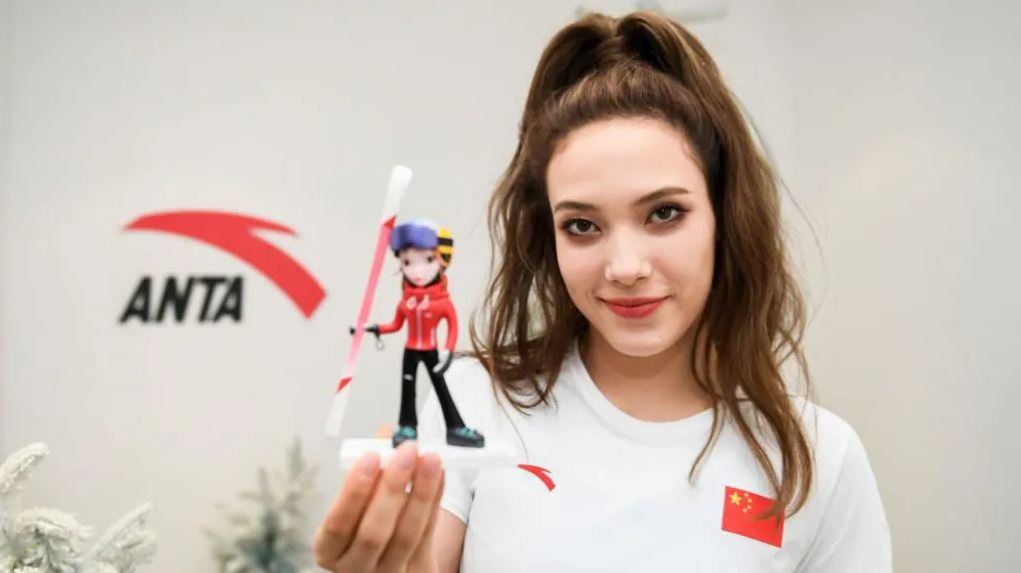
China’s sportswear industry has produced a global contender that is now challenging giants like Nike and Adidas. Anta, founded by former high school dropout Ding Shizhong, has grown from humble beginnings into one of the world’s fastest-rising sports brands.
In the late 1980s, Ding arrived in Beijing with just 600 pairs of shoes made in a relative’s factory. The sales helped him launch a small workshop producing footwear for other companies. That modest beginning laid the foundation for what would become a global sportswear empire.
Founded in 1991 in Jinjiang, Fujian province, Anta grew alongside China’s booming manufacturing sector. The region became known as the “shoe capital of the world,” producing footwear for international brands such as Nike and Adidas. This manufacturing ecosystem allowed local companies to learn global production standards, efficiency, and supply chain management.

By 2005, Anta had established itself as a strong domestic brand, expanding retail stores across China and sponsoring major sporting events. In 2007, it listed on the Hong Kong Stock Exchange, raising approximately HKD 3.5 billion, marking a record for a Chinese sports company at the time.
Today, Anta operates more than 12,000 stores in China and over 460 internationally. It has also expanded through strategic acquisitions, including Fila (China rights), Amer Sports—which owns Arc’teryx and Salomon—and a stake in Puma. These moves have helped Anta position itself as a global multi-brand sportswear group.
The company is now pushing aggressively into Western markets, including opening its first U.S. flagship store in Beverly Hills, Los Angeles. However, competition remains intense, with Nike and Adidas still dominating global market share.
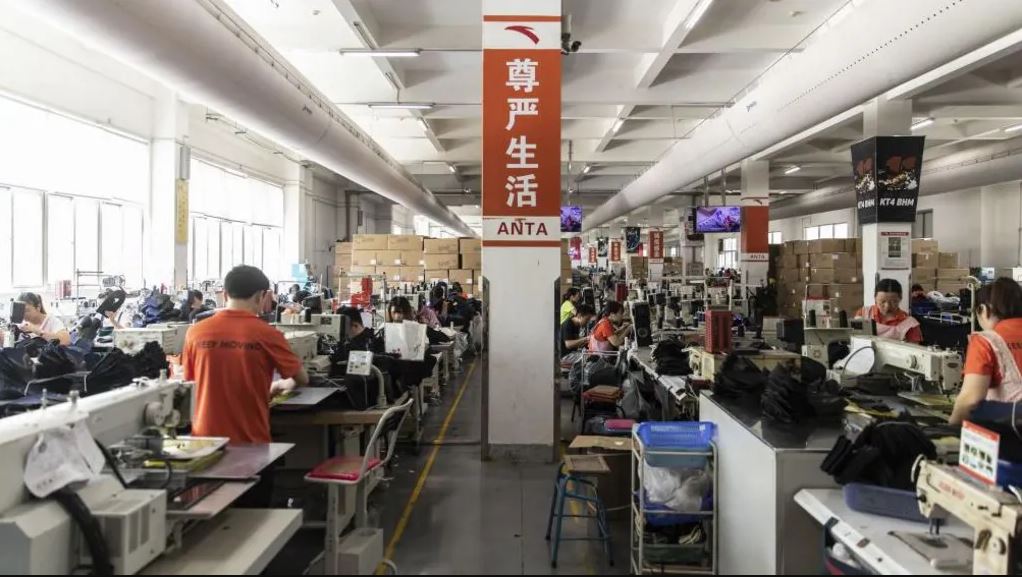
Anta’s rise reflects a broader trend of Chinese manufacturers evolving into global brands, similar to companies like Xiaomi, DJI, and BYD. Experts say this transformation is driven by decades of experience producing goods for Western brands and mastering global supply chains.

Despite its growth, Anta still faces challenges, including brand perception in Western markets and geopolitical tensions affecting Chinese companies abroad. However, the company remains confident in its long-term global strategy.
“We are realistic about the competition, but the global sportswear landscape is not a zero-sum game,” an Anta spokesperson said.
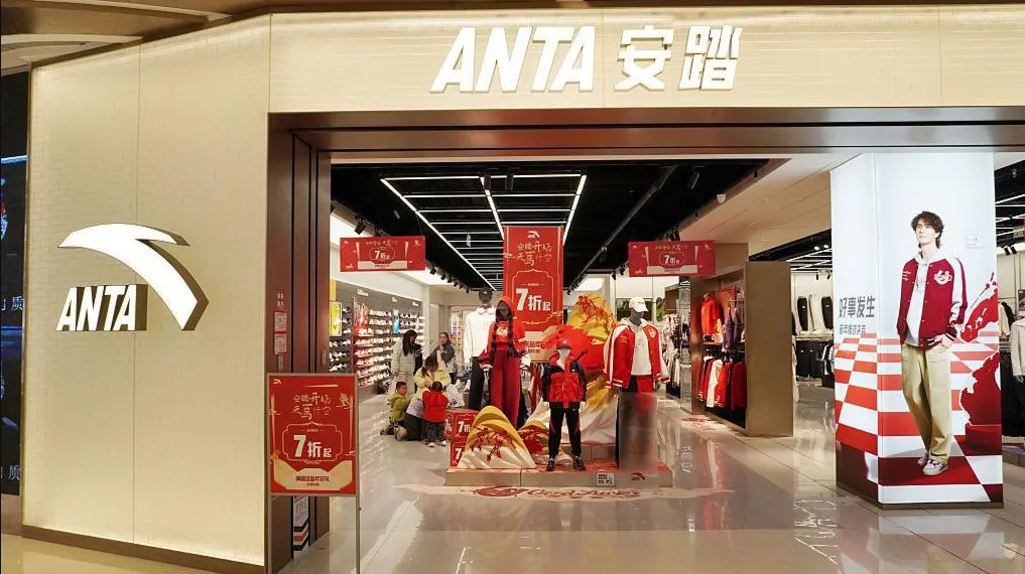
As competition intensifies, Anta’s journey from a small workshop to a global sportswear challenger highlights how China’s manufacturing giants are reshaping the global business landscape.