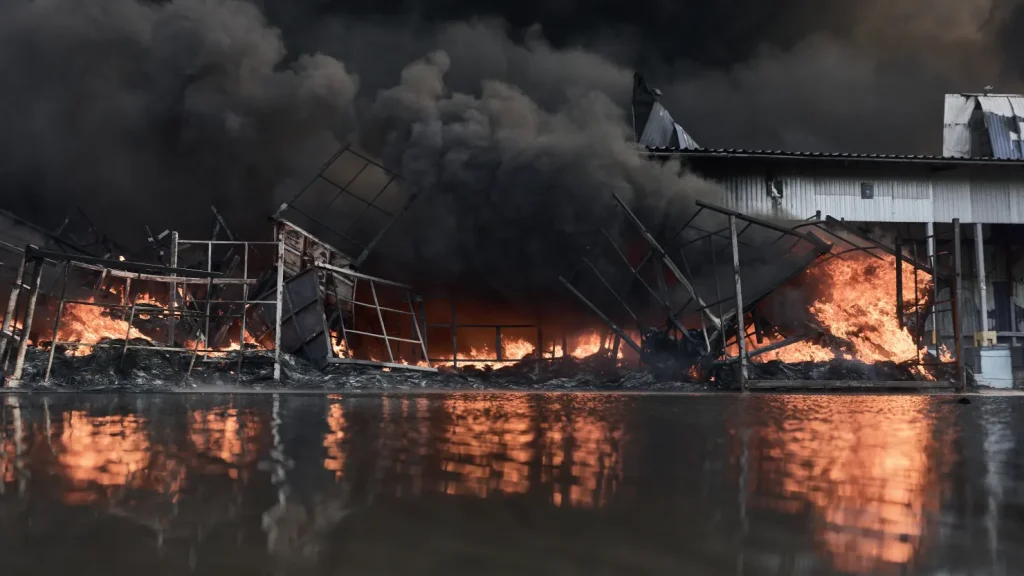
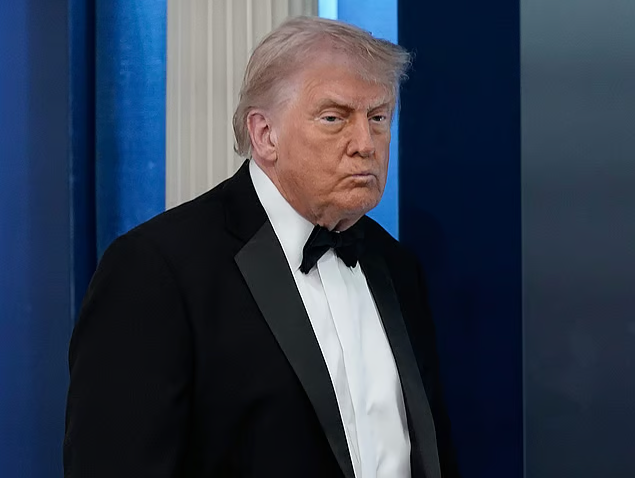

US President Donald Trump is reportedly dissatisfied with Iran’s latest proposal aimed at ending the ongoing conflict, according to a US official, reducing hopes for a near-term resolution to the war that has disrupted global energy markets and increased inflationary pressures.
Iran’s proposal suggests postponing discussions on its nuclear programme until after a ceasefire is achieved and disputes related to Gulf shipping routes are resolved. However, US officials have made it clear that addressing nuclear concerns from the beginning remains a key condition for any agreement.
A US official familiar with the matter said the proposal did not meet Washington’s expectations, as the Trump administration considers Iran’s nuclear programme central to negotiations. The White House reiterated that it would not negotiate publicly and emphasized that its position on core demands remains unchanged.
The diplomatic deadlock comes after a planned visit by US envoy Steve Witkoff and Jared Kushner to Islamabad was cancelled. Meanwhile, Iran’s Foreign Minister Abbas Araghchi has been actively engaging in regional diplomacy, including visits to Pakistan, Oman, and Russia, where he met President Vladimir Putin.
According to reports, Iran’s proposal outlines a phased approach. The first step would involve ending the war and ensuring guarantees against renewed conflict. This would be followed by resolving maritime tensions, particularly around the Strait of Hormuz, which remains a critical global oil transit route.
Only after these steps would negotiations shift toward nuclear issues, including Iran’s demand for recognition of its right to enrich uranium for civilian purposes.
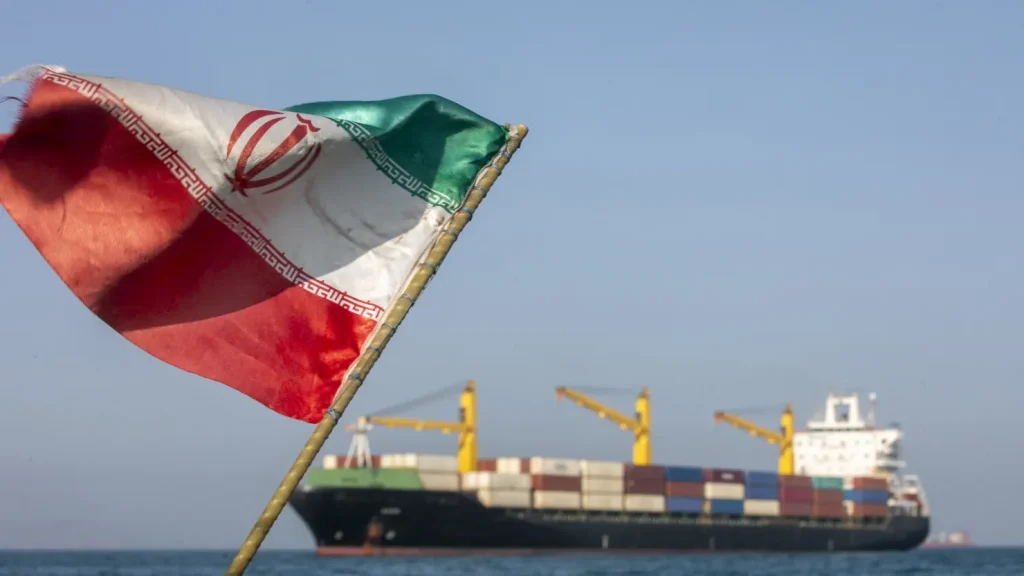
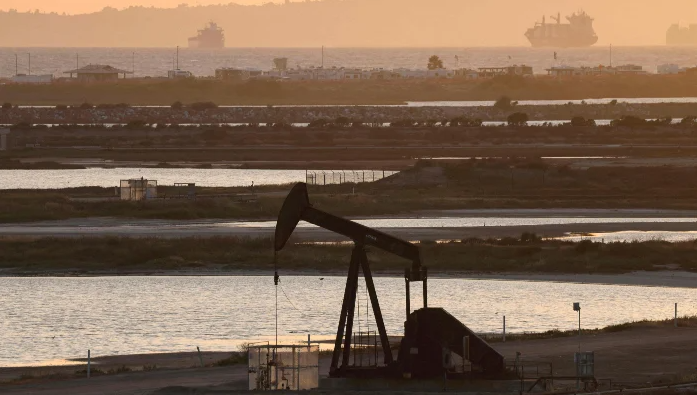
Meanwhile, tensions in the region continue to affect global oil supplies. Shipping activity through the Strait of Hormuz has dropped sharply, with only a handful of vessels passing through recently, compared to over a hundred daily crossings before the conflict.
Market analysts say that physical disruptions to oil flow are now driving price increases more than political rhetoric. Reports also indicate that several Iranian oil tankers have been forced to turn back due to a US naval blockade.
As the conflict continues, pressure is mounting on both sides to find a diplomatic solution, but significant differences over key issues suggest that negotiations may remain stalled in the near term.