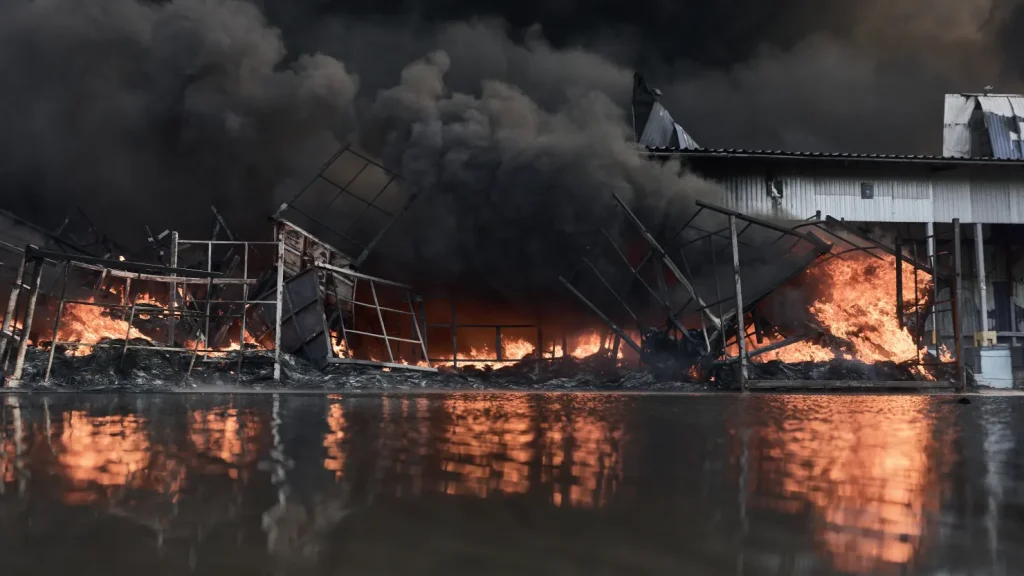


GLOBAL MARKETS: Oil prices surged to their highest levels since 2022 after reports emerged that Donald Trump is set to be briefed on new military options related to the ongoing Iran conflict, raising fears of further escalation in the region.
According to reports, US Central Command has prepared plans for a series of “short and powerful” strikes targeting Iran’s infrastructure. Another option under consideration includes securing parts of the strategically vital Strait of Hormuz to reopen it for global shipping, potentially involving ground troops.
Following the news, Brent crude prices jumped nearly 7%, briefly crossing $126 per barrel — the highest level since the early days of the Russia’s invasion of Ukraine. Meanwhile, US West Texas Intermediate crude rose to around $109 per barrel.
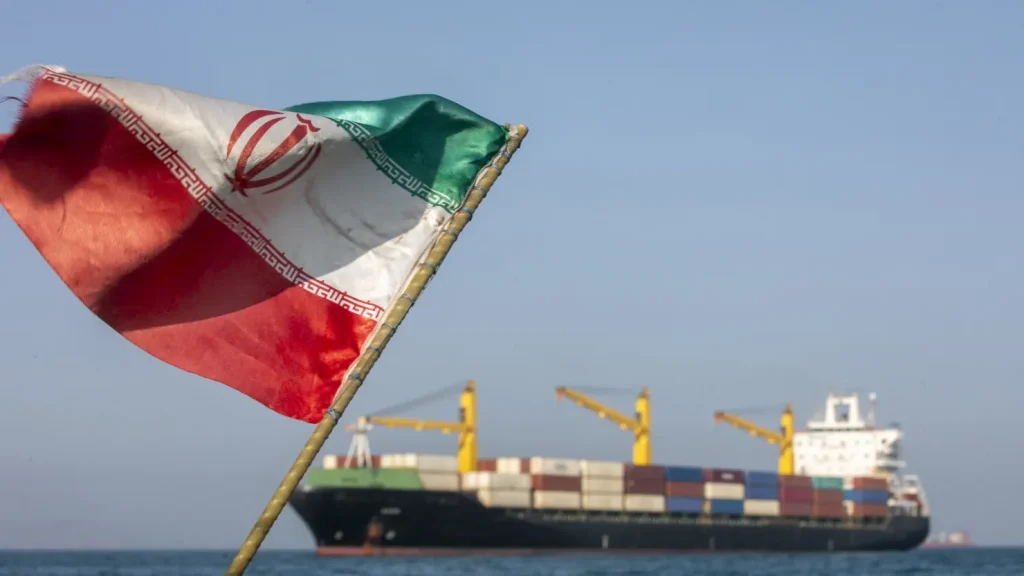
The sharp increase reflects growing anxiety in global markets as tensions between the US, Israel, and Iran show no signs of easing. Peace talks have stalled, and the Strait of Hormuz — a critical route through which roughly 20% of the world’s oil supply passes — remains effectively disrupted.
Analysts say even the possibility of further military action is enough to shake markets. Energy experts warn that any escalation could significantly impact global oil supply, driving prices even higher and increasing economic pressure worldwide.
The US has maintained a blockade on Iranian ports, aiming to restrict Tehran’s ability to export oil. In response, Iran has threatened to target vessels attempting to pass through the region, intensifying fears of a wider conflict.
Market analysts note that oil prices nearing $125 per barrel tend to trigger broader economic concerns. Rising fuel costs can lead to higher transportation and production expenses, ultimately pushing up inflation and affecting everyday consumers.
Reports also indicate that energy executives recently met with President Trump to discuss strategies to minimise the war’s impact on US consumers. However, uncertainty remains over how long the administration can manage the economic consequences of sustained high oil prices.
As tensions persist, global markets are likely to remain volatile, with investors closely watching developments in the Gulf region and any signals of either escalation or de-escalation.