

Global food security is under growing threat as disruptions in fertiliser supplies caused by conflict in the Gulf region could result in the loss of up to 10 billion meals every week, according to Svein Tore Holsether, chief executive of fertiliser giant Yara International.
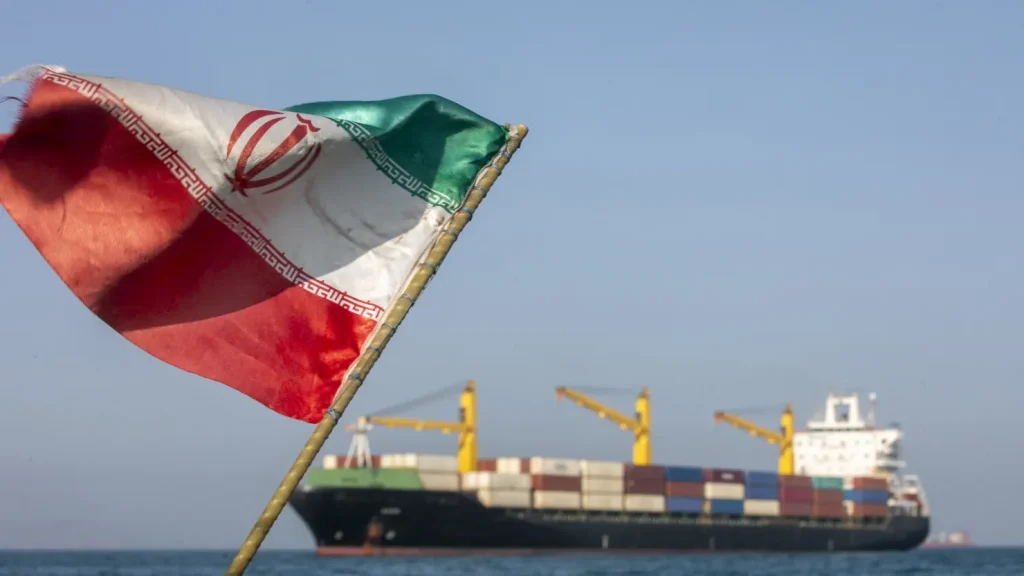
Holsether warned that the ongoing tensions, particularly those affecting shipping through the Strait of Hormuz, are severely impacting the production and distribution of fertilisers and their key ingredients. This disruption is already reducing global output, with around half a million tonnes of nitrogen fertiliser currently not being produced.
Fertilisers play a critical role in maintaining crop yields, and without them, production levels can drop sharply. Holsether noted that in some cases, crop yields could fall by as much as 50% within a single growing season if nitrogen fertiliser is not used. Such a decline would significantly reduce global food supply and increase pressure on already strained markets.
The situation is further complicated by rising costs for farmers. Energy prices, fuel for machinery, and fertiliser costs have all surged, while the prices farmers receive for their crops have not increased at the same pace. This imbalance is putting farmers under financial strain and could lead to reduced planting and lower production.
Fertiliser prices have already climbed by around 80% since the escalation of conflict involving the United States and its allies in Iran. If the situation continues, Holsether warned of a potential global bidding war for food, where wealthier nations may secure supplies at the expense of poorer countries.
He stressed that while regions like Europe may be able to withstand higher food prices, developing nations would face severe consequences. In such scenarios, vulnerable populations are often priced out of access to essential food supplies, leading to increased hunger and food insecurity.
International organisations are already raising alarms. The World Food Programme estimates that the ripple effects of the conflict could push an additional 45 million people into acute hunger by 2026. Regions across Asia and the Pacific are expected to see some of the largest increases in food insecurity.
Although countries like the UK are unlikely to experience outright shortages, consumers may soon feel the impact through rising grocery bills. Industry forecasts suggest that food inflation could climb significantly in the coming months as higher production costs filter through the supply chain.
Experts warn that the crisis highlights the fragile link between geopolitics, energy markets, and global food systems. Without stability in supply chains and access to key agricultural inputs, the risk of widespread hunger and economic strain could continue to grow.